
Category: Press

  • eyeo raises €40 million

    eyeo raises €40 million

    eyeo raises €40 million to fix the flaw that has kept every camera 70% blind

    • Series A funds eyeo’s drive to bring seven years of proven nanophotonic science to market as production-ready color-splitting sensors
    • eyeo sensors capture three times more light for smartphones, XR devices, smart cities and more across a $30 billion imaging market    
    • Funding round is led by Innovation Industries, with participation from existing investors imec.xpand, Invest-NL Deep Tech Fund, QBIC fund, High-Tech Gründerfonds (HTGF) and Brabant Development Agency (BOM).
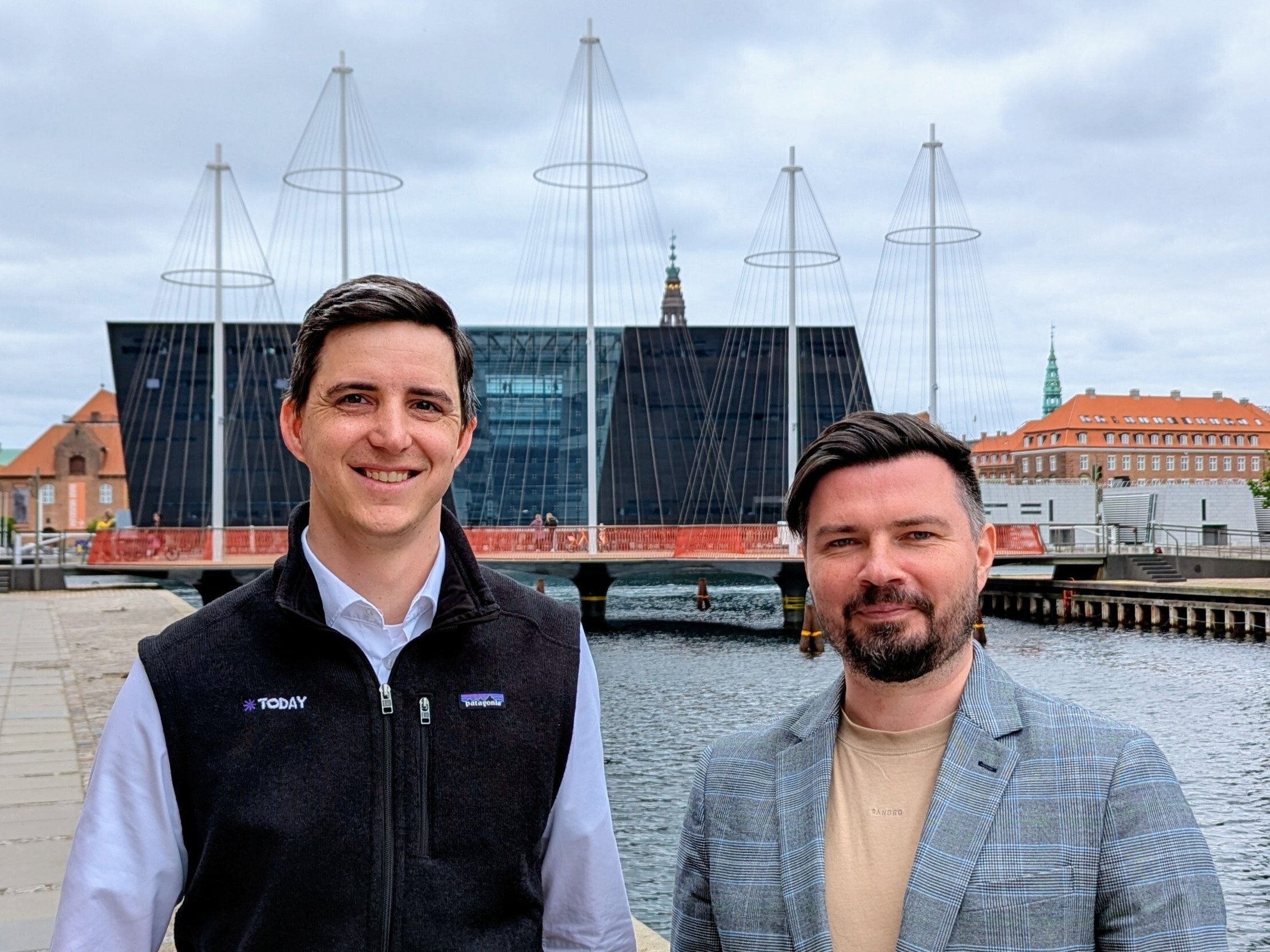
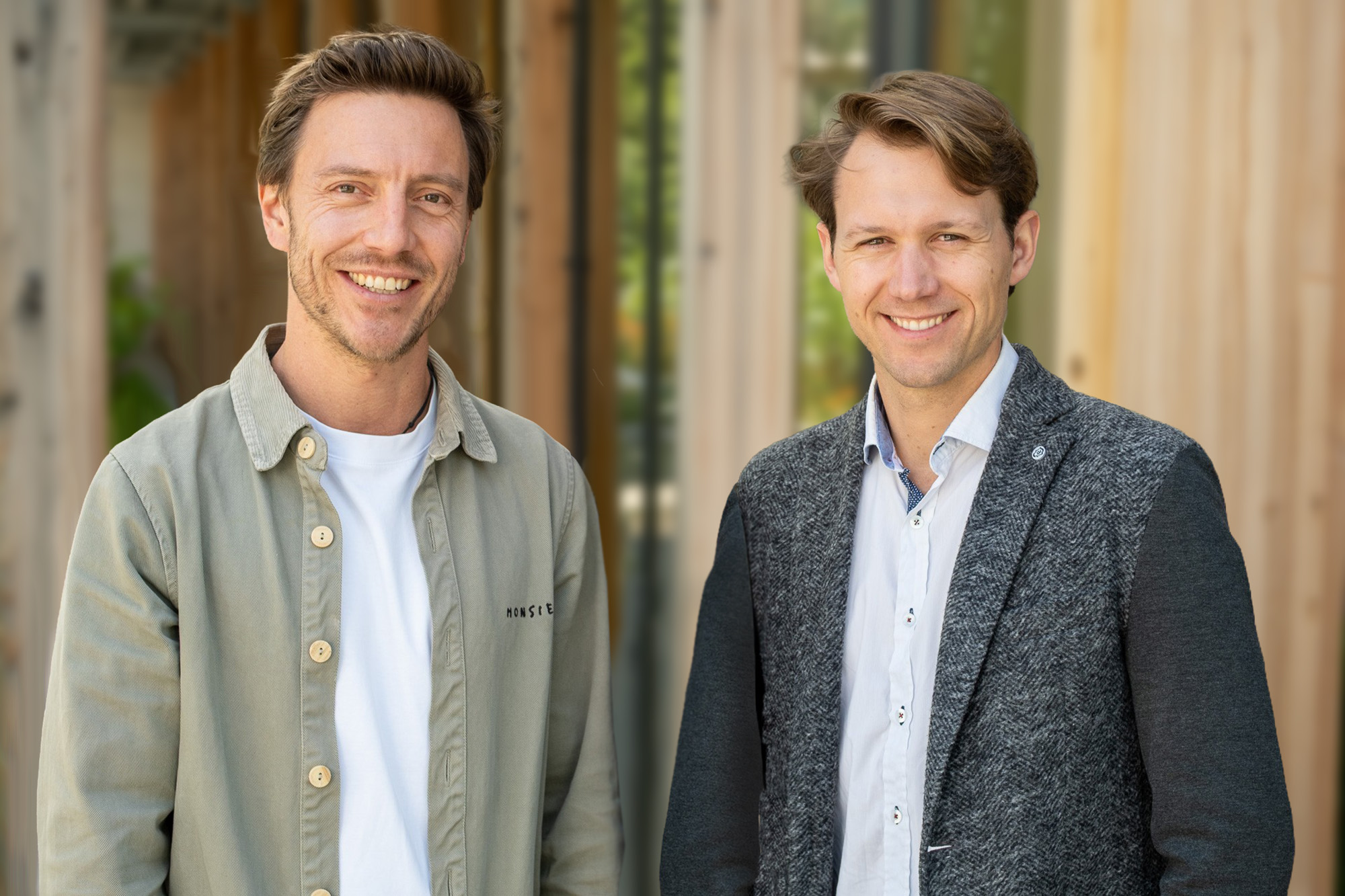
    Team of eyeo (Photo: eyeo)

    Eindhoven (Netherlands), May 11, 2026 – eyeo today announced it has raised €40 million in Series A funding, bringing eyeo’s total funding to €55 million. The round is led by Innovation Industries, with participation from existing investors imec.xpand, Invest-NL Deep Tech Fund, QBIC fund, High-Tech Gründerfonds (HTGF) and Brabant Development Agency (BOM).

    eyeo has developed the world’s most advanced nanophotonic color-splitting technology, redefining imaging for consumer, industrial, XR, smart city and mobile applications with color-splitting photonics technology that triples light sensitivity and breaks sensor resolution limits, delivering unprecedented picture quality, color accuracy and resolution.

    The fresh funding will accelerate eyeo’s sensor design capabilities, deepen its OEM partner ecosystem, and drive commercial deployment across a $30 billion global imaging market.

    A new era for imaging

    All seven billion image sensors sold each year, across smartphones, autonomous vehicles, XR devices, industrial machines, smart cities and more, share a fundamental flaw: color filters work by rejection, blocking red, green and blue light in turn and discarding 70% of the light in the process.

    eyeo’s Nanophotonic Color Splitting (NCOS®) technology platform works differently. Instead of filtering light, it splits it: separating light into its colors and guiding every photon directly to the pixel where it belongs. Backed by 26 patents, the NCOS® platform triples light sensitivity and breaks resolution limits. This breakthrough approach unlocks picture quality, color accuracy, resolution, and cost efficiency, which was never-before possible.

    Compatible with existing CMOS sensor platforms, eyeo’s technology unlocks sub-micron pixels with 3x the light for ultra-compact, high-performance imaging, removing the trade-off between image quality and sensor size that has constrained product design for decades.

    eyeo color splitter vs. traditional color filter

    From breakthrough science to production-ready sensors

    This Series A round marks a decisive step forward in eyeo’s commercialization journey. Building on the foundation established and proven at imec over the last seven years, multiple tier one customer engagements, and successful process integration at a commercial foundry, eyeo is now investing in the full in-house engineering capability required to deliver sensors to customers at volume scale. The funding will be deployed across three strategic priorities:

    • Building a world-class IC and system architecture design team at the Antwerp sensor design center opened earlier this year
    • Developing and releasing next-generation color-splitting image sensors in 3D-stacked CMOS technology
    • Growing sensor sales and commercial partnerships with OEM customers across smart city, industrial, XR and mobile markets worldwide

    Jeroen Hoet, co-founder and CEO, eyeo: “Every modern device that sees the world, from smartphones to autonomous systems, is held back by the same 50-year-old constraint. eyeo removes it at the source. Our technology is proven, patented and validated at a commercial foundry, with tier one customers already engaged. This €40 million round gives us what we need to scale.”

    Nard Sinteni, Partner Innovation Industries: “eyeo is delivering the kind of foundational breakthrough that redefines an entire category. This is a powerful example of deep-tech innovation driving real structural progress in semiconductors, with implications that extend across the broader technology ecosystem. We’re excited to back this outstanding team and their superior technology, which is truly pioneering in its approach and sets a new benchmark for what’s possible in the field.”

    Dr Anne Umbach, Senior Investment Manager at HTGF: “eyeo’s technology captures three times more light than any conventional image sensor – unlocking a level of image quality that simply wasn’t possible before. When we first invested, we believed this team had the science, the vision and the drive to become a true European deep-tech champion. Less than a year later, a €40 million Series A speaks for itself. This is exactly the kind of follow-on moment that validates everything we look for in a deep-tech investment.”

    This operation benefits from the support of the European Union under the InvestEU Fund.

    About eyeo

    eyeo is redefining imaging with the world’s most advanced nanophotonic color-splitting technology. For the first time, image sensors can capture all incoming light, overcoming the 70% light loss imposed by decades-old color filter technology. Instead of filtering photons, eyeo’s technology guides them directly to individual pixels, unlocking full light sensitivity and native color fidelity in any condition. Compatible with any CMOS sensor platform, eyeo enables sub-0.5-micron pixels for ultra-compact, high-performance imaging where image quality is critical. eyeo is headquartered at High Tech Campus Eindhoven (NL), with a sensor design center in Antwerp (BE).

  • NanoStruct Secures €2.6M Seed Funding

    NanoStruct Secures €2.6M Seed Funding

    Food Safety in Hours, Not Days: NanoStruct Secures €2.6M Seed Funding

    • NanoStruct closes a seven-figure seed funding round led by HTGF, Bayern Kapital, and the Auxxo Female Catalyst Fund
    • The technology reduces the detection of dangerous pathogens such as Listeria and Salmonella from 2–3 days to just a few hours, using nanostructured sensor chips and AI
    • Faster detection of microbial contamination enables earlier decisions in production, prevents recalls, and reduces food waste across the entire supply chain.
    • The funding enables pilot projects in the food analysis market, the development of a structured sales organization, and team expansion
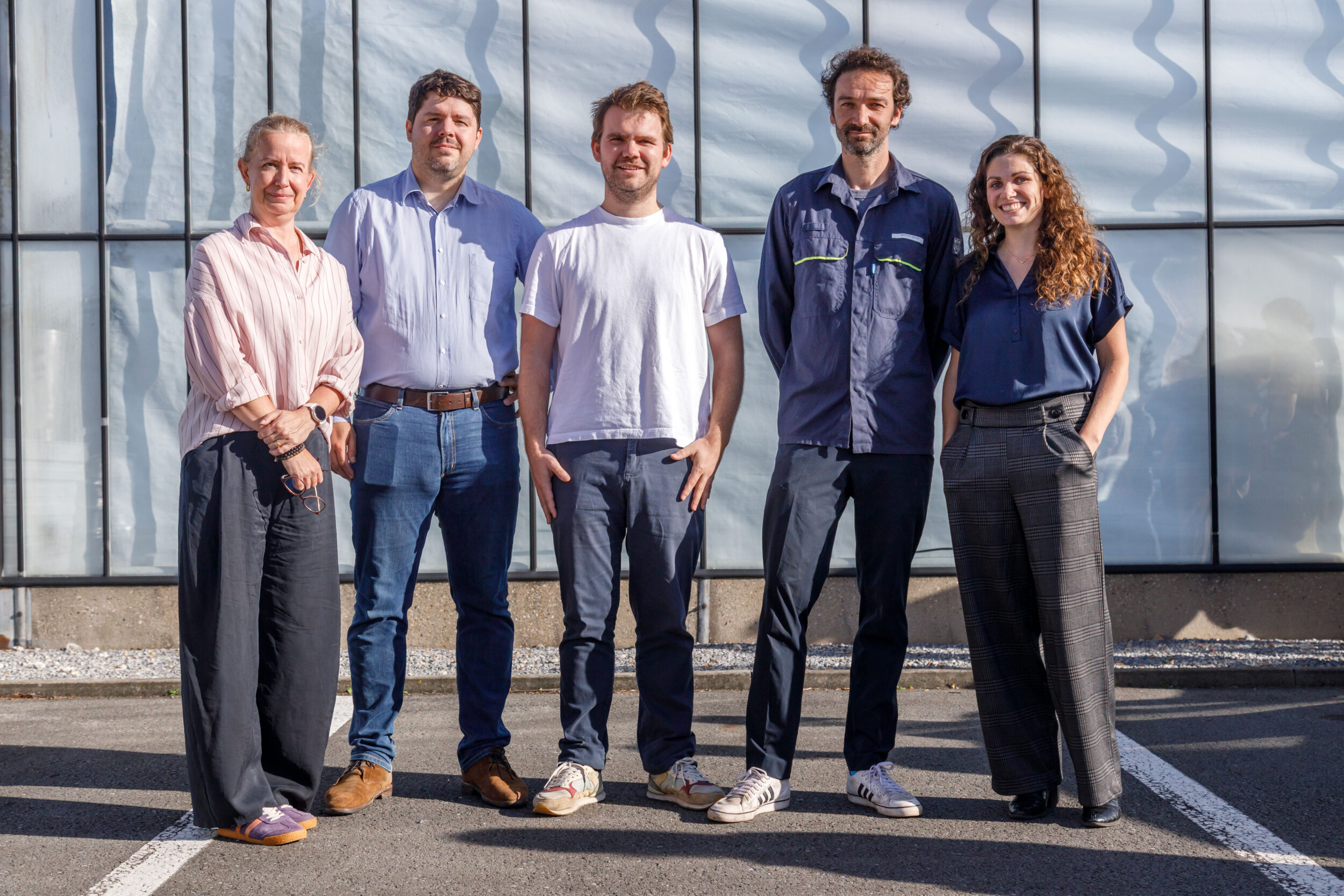
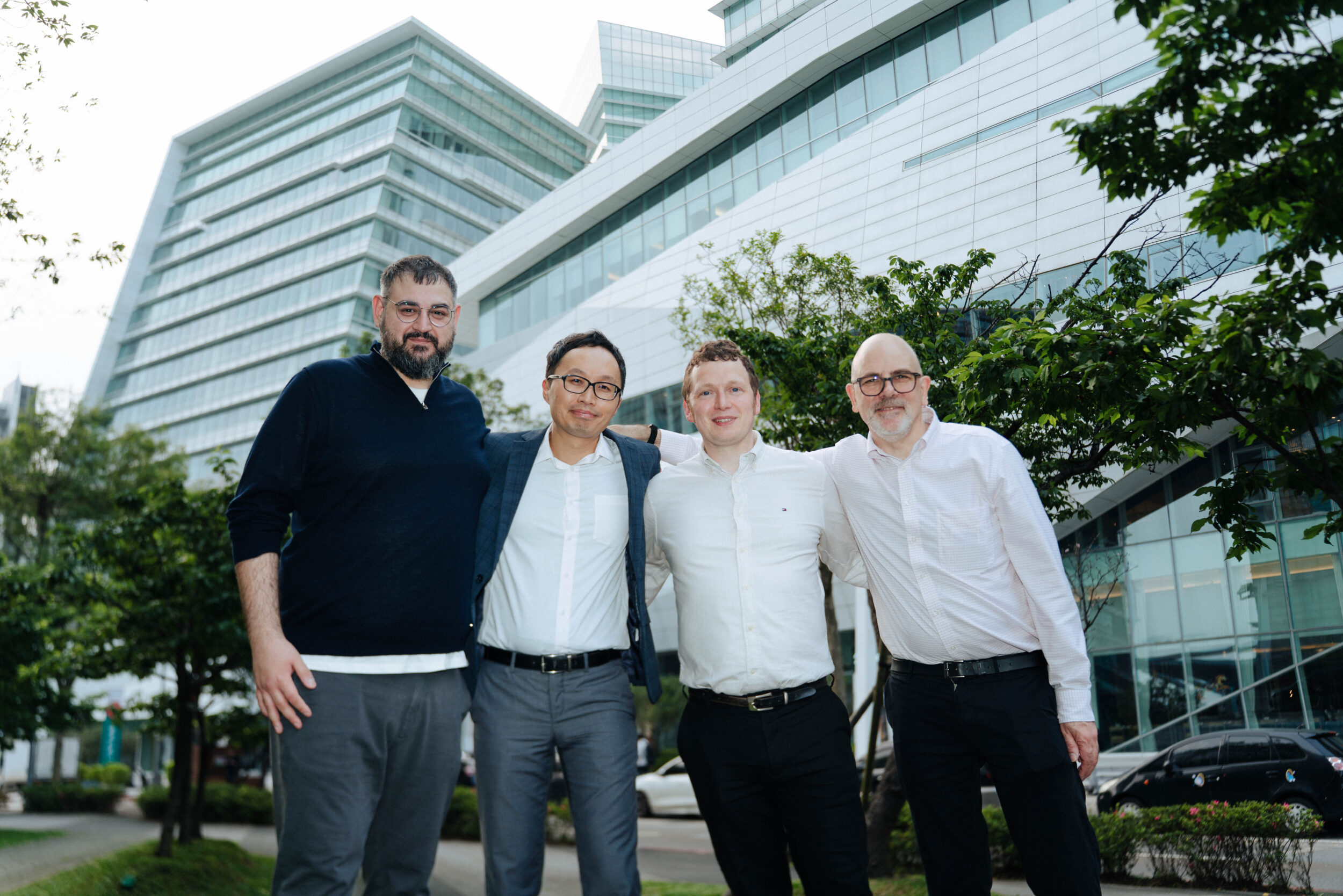
    The NanoStruct founders: Enno Schatz, Kai Leibfried, and Henriette Maaß (Photo: NanoStruct)

    Würzburg (Germany), 11th May 2026 – Würzburg-based deep tech startup NanoStruct has closed a seed funding round of €2.6 million. Founded by Dr. Henriette Maaß, Enno Schatz, and Kai Leibfried, the company develops nanostructured sensor chips for the rapid identification of dangerous pathogens in food. The round is led by High-Tech Gründerfonds (HTGF), Bayern Kapital, and the AUXXO Female Catalyst Fund. The funding builds on previous grants from the German Federal Ministry for Economic Affairs and Energy (BMWE) and the European Union.

    Molecular Fingerprint Instead of Days of Waiting

    Detecting dangerous bacteria in food currently takes several days, far too long to ensure that harmful pathogens don’t reach consumers. At the same time, regulatory requirements are increasing with the goal of enhancing consumer protection. As a result, demand for faster and automated analysis from food manufacturers and testing laboratories is high. NanoStruct has developed a process that reduces detection to just a few hours by combining optical measurement technology with nanotechnology, biotechnology, and machine learning. For the food market, this represents a complete rethinking of microbial analysis. Results can be obtained on the same day, recalls are avoided, foodwaste is reduced and food safety is significantly improved.

    Dipl.-Ing. Arnolf Kneißler, long-standing Managing Director of Labor Kneißler GmbH: “I have been following NanoStruct and its innovation for several years now, and I am both excited about the technology and the founding team. Accelerating bacterial testing in food delivers tremendous value, and I am personally delighted that NanoStruct can take the next step with this funding to bring its promising system to market.”

    The seed funding enables NanoStruct to validate its system through pilot projects in the food analysis market, build a structured sales organization, and capture its first target market.

    Dr. Henriette Maaß, CEO of NanoStruct: “With HTGF, Bayern Kapital, and AUXXO, we have found exactly the partners we need for this next step: experienced, well-networked, and convinced of our vision. Now we are bringing rapid bacterial analytics to the food industry.”

    NanoStruct’s technology also has the potential to accelerate and simplify processes in additional fields such as veterinary and human diagnostics, as well as bacterial monitoring in sensitive production environments.

    Dr. Stephan Ruck, Investment Analyst at HTGF: “The technological breakthrough NanoStruct has achieved in sensor development is remarkable. In addition to the platform technology, we were convinced by the company’s strong network in the target market and, above all, by the team. I very much look forward to working with Henriette and the entire founding team.”

    About NanoStruct

    NanoStruct is a startup at the intersection of biotechnology and nanotechnology, headquartered in Würzburg, offering an analysis platform for the rapid identification of harmful bacteria in food. Spun out of Julius-Maximilians-Universität Würzburg in 2021 by Dr. Henriette Maaß, Enno Schatz, and Kai Leibfried, NanoStruct is now ready to bring its system to the food market.

  • One-time treatment with lasting effects: Sedivention secures €2.9 million to further develop outpatient obesity therapy 

    One-time treatment with lasting effects: Sedivention secures €2.9 million to further develop outpatient obesity therapy 

    One-time treatment with lasting effects: Sedivention secures €2.9 million to further develop outpatient obesity therapy

    The medtech startup Sedivention has closed a seed financing round of €2.9 million.

    The round is led by lead investor bmp Ventures alongside the IBG funds; other investors include the strategic investment arm of a global medtech company, existing investor High Tech Gründerfonds (HTGF), superangels, and Cambridge Ventures. With the fresh capital, Sedivention aims to further develop its novel outpatient therapy for treating obesity and generate initial clinical data to prepare for market entry.

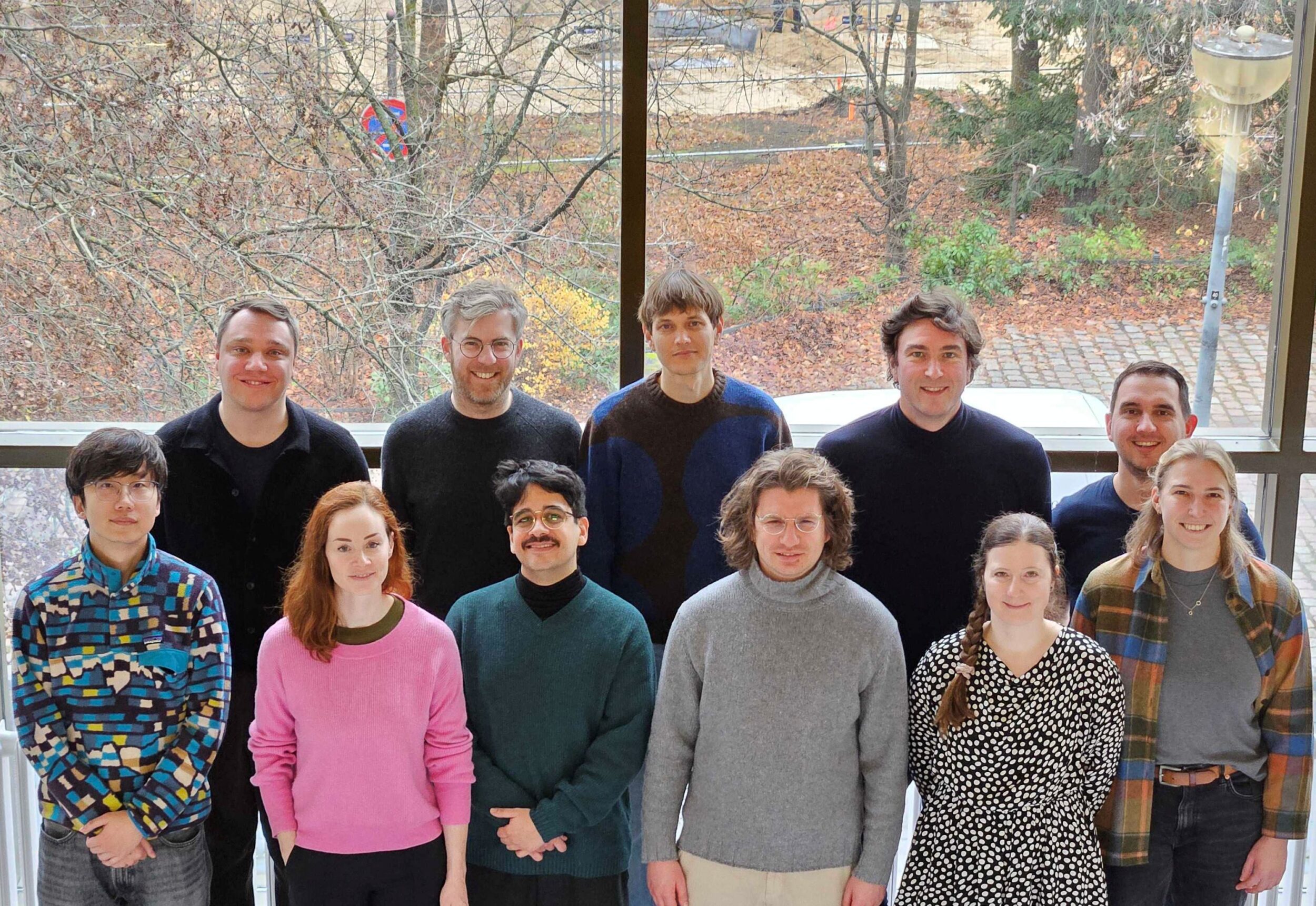
    Dr. Ute Nollert and Dr. Andreas Bröcker (photo: Sedivention)

    According to the World Obesity Federation, obesity — which is expected to affect over one billion people worldwide by 2030 — is one of the greatest medical and economic challenges of our time. Existing treatment options face significant limitations: bariatric surgery is highly invasive and accessible to only a small proportion of patients, while drug therapies are costly and require long-term use. This is exactly where Sedivention comes in.

    “Obesity is a chronic condition that requires treatments that are medically effective yet gentle,” says Dr. Ute Nollert, founder and Chief Medical Officer of Sedivention. “Our approach directly addresses the underlying disruption in hunger and satiety regulation, enabling a lasting reduction in feelings of hunger – without surgery, without implants, and without lifelong medication.”

    Sedivention is developing a minimally invasive, one-time, outpatient therapy based on a targeted cryo procedure. At the heart of the technology is a specially designed cryo balloon catheter that is inserted in a manner similar to a gastroscopy. Precise cryoablation interrupts the hunger-related gastric branches of the vagus nerve. This approach addresses the central physiological cause of obesity—impaired hunger and satiety regulation—and lays the foundation for long-term effects.

    In addition to addressing medical needs, Sedivention is tapping into a massive market: the global healthcare costs for those affected are expected to reach up to $4 trillion annually.

    “We are developing a proprietary medtech solution with the potential to redefine a global market worth billions through scalable, outpatient treatment,” says Dr. Andreas Bröcker, co-founder and CEO of Sedivention. “Our technology has been designed for international scalability from the outset and addresses a market that has not yet been efficiently tapped, with significant growth potential.”

    A functional prototype has already been successfully developed and tested. The therapy is designed as a one-time, interventional treatment that leaves no foreign material in the body. With this seed funding, Sedivention plans to complete product development, conduct the First-in-Human Study, and prepare for the next clinical and regulatory steps.

    The approach is also generating significant interest among investors. “Sedivention combines medical evidence with a clearly scalable and cost-effective medtech approach,” says Dr. Jan Engels, Senior Investment Manager at HTGF. “The team is addressing a globally relevant medical condition with a technologically compelling solution.”

    “Sedivention is developing an innovative and compelling MedTech technology to sustainably redefine obesity therapy,” says Carlos Figueredo, Investment Manager at bmp Ventures. “The solution has enormous transformative potential for one of the world’s largest healthcare markets.”

    “When we look back in 10 years, Sedivention will be one of the companies that changed obesity treatment forever. Existing solutions manage – Sedivention solves,” says Franzi Majer, Founding partner at superangels. “That’s the kind of impact we look for: a team with the conviction and the technology to redefine one of the largest markets in the world.”

    In the long term, Sedivention aims to replace highly invasive surgical procedures with interventional procedures that can be performed on an outpatient basis, thereby sustainably improving access to effective medical care.


    About Sedivention
    Sedivention GmbH is a medtech startup based in Magdeburg and Munich. An interdisciplinary team of experienced medical professionals and engineers is developing a new generation of minimally invasive, outpatient therapies for the treatment of obesity. The focus is on a one-time cryo-based procedure designed to sustainably reduce feelings of hunger.

    Contact
    Sedivention GmbH
    info@sedivention.com
    www.sedivention.com

    About bmp Ventures
    bmp Ventures is one of the most experienced venture capital investors in Germany and has more than 250 investments in almost all technology segments, with the majority in the early stages. In addition to direct investments, bmp has also managed venture capital funds for the KfW banking group and DEG – Deutsche Investitions- und Entwicklungsgesellschaft. bmp currently manages the IBG fund in Saxony-Anhalt and employs around 20 members of staff at its offices in Berlin and Magdeburg.

    About the IBG Funds
    The IBG funds, based in Magdeburg, are the venture capital funds of the state of Saxony-Anhalt. They provide equity capital to young, innovative technology companies with above-average growth potential headquartered in Saxony-Anhalt. At the end of 2023, the new venture capital fund RKF IV was launched with a volume of €63 million. The fund is fi nanced by the state of Saxony-Anhalt and the European Union and invests in startups in the seed, early-stage, and growth phases. The IBG funds are managed by bmp Ventures AG.

    About superangels
    Superangels is one of the most active early-stage investors in Europe, with a portfolio of more than 140 Tech-/Deep-Tech investments across Europe and the US. The fund was founded by Franzi Majer, Alex Brand, and Florian Gottschaller, and backs exceptional founders from day one – with capital, network, and hands-on operational expertise.

    About Cambridge Ventures
    Cambridge Ventures GmbH is the investment vehicle of Martin Giese. Martin Giese is a business angel, startup coach, author and speaker with extensive experience in supporting technology-driven early-stage companies.

  • Avelios Wins Fresenius to Build an AI-Native Digital Health Ecosystem 

    Avelios Wins Fresenius to Build an AI-Native Digital Health Ecosystem 

    Avelios Wins Fresenius to Build an AI-Native Digital Health Ecosystem

    Fresenius —  Europe’s largest private hospital operator — is investing in our portfolio company Avelios Medical and with it in the build-out of an open, interoperable, and AI-native digital health ecosystem for Europe. 

    Fresenius joins the technology partnership between Avelios and SAP, which was closed earlier this year, bringing its extensive experience from real-world clinical practice. At the center stands the Avelios Hospital Information System (HIS) as the core platform for a modern, integrated care infrastructure, built on a new generation of clinical architecture and a structured data model that enables AI-native care and sovereign data use. 

    Avelios is solving a real problem at exactly the right moment. The clinical IT market is undergoing a fundamental shift, and hospitals need orientation. Having SAP and Fresenius, two of Europe’s most influential players, validate the team’s approach is a strong signal: for the platform, the product, and an outstanding founding team we have been backing since their pre-seed round in 2021. 

    Founding team of Avelios Medical (Photo: Avelios Medical) 
  • Tacalyx Secures €11 Million to Advance Lead TACA-Targeting ADC Programme Toward the Clinic

    Tacalyx Secures €11 Million to Advance Lead TACA-Targeting ADC Programme Toward the Clinic

    Tacalyx, a leader in the discovery and development of cancer therapies directed at Tumour Associated Carbohydrate Antigens (TACAs), announces the selection of its first clinical candidate, TCX-201, which is being advanced toward clinical development with the goal of filing a clinical trial application (CTA) in 2027. In support of this progress, the company has secured €11 million in a first closing of its seed extension round from its existing international investor syndicate, including Boehringer Ingelheim Venture Fund (BIVF), Kurma Partners, High-Tech Gründerfonds (HTGF), Eurazeo, Creathor Ventures, and Thuja Capital. The company intends to expand the round with additional investors in a subsequent closing. The proceeds will be used to see TCX-201 through preclinical development while advancing the company’s broader pipeline.

    TCX-201 is an antibody drug conjugate (ADC) against an undisclosed TACA, developed using the company’s proprietary platform for the treatment of gastrointestinal malignancies and other solid tumours. TACAs represent a largely untapped class of targets found on tumour cell surface structures that may enable the development of highly selective therapies for patients with hard-to-treat tumours. In parallel, the newly secured capital will allow Tacalyx to continue to progress and expand its rich portfolio of first-in-class and best-in-class programmes designed to address multiple solid tumour indications with a high unmet medical need. The selection of the next clinical candidate is planned for the end of 2026.

    “We are deeply grateful to our investors for their unwavering commitment in our mission to develop novel and effective treatments against solid tumours”, said Jean Engela, CEO of Tacalyx. “Over the past years, we have built a powerful platform capable of reliably discovering and developing high-affinity antibodies against TACAs, sugar structures specifically found on tumour cells. Heralding a new stage for the company, Tacalyx has selected a clinical candidate for its TCX-201 programme and is now progressing preclinical activities to prepare for the CTA submission. With that, we are now redoubling our laser focus on translating the cutting-edge science on which the company was founded into transformative cancer therapies. Cancer patients cannot wait.”

    Klaus Schollmeier, Chairman of the Board of Tacalyx, said: “Tacalyx has delivered on its promise to unlock the therapeutic potential of TACAs, a frontier in oncology that has long been considered undruggable. With the selection of its first clinical candidate and significant advances with its earlier pipeline, the company is now rapidly transitioning from discovery research to a clinical-stage biotech. I am proud of the team’s achievements.”

    TACAs are distinctive glycan structures that are uniquely expressed or overexpressed on tumour cells and often play critical roles in tumour progression, including cell adhesion, immune evasion and metastasis. Because TACAs are found across a range of diverse cancer types, they represent promising targets for the development of pan-cancer therapeutics. Importantly, TACAs remain consistently expressed even in tumours lacking actionable genomic alterations or after standard therapies fail, positioning them as a differentiated and largely untapped class of cancer-specific targets with the potential to address treatment resistance. However, these novel targets have historically been difficult to address with antibodies, leaving much of this therapeutic space largely unexplored. Tacalyx is a pioneer in the discovery and development of therapies targeting TACAs. The company has built a proprietary discovery platform capable of reliably identifying and generating high-affinity antibodies against TACAs, enabling these previously inaccessible targets to become druggable. These antibodies can be further developed into novel antibody-based therapeutics tailored to specific clinical needs, including ADCs, TCEs and multi-specifics.

    About Tacalyx

    Tacalyx is a privately held biotech company focused on the discovery and development of Tumour Associated Carbohydrate Antigen (TACA) antibodies for the treatment of cancer. TACAs are formed during malignant transformation in a microevolutionary process. The expression of TACAs is elevated in many cancer types making them attractive targets for cancer treatment. Tacalyx is advancing a proprietary technology platform to exploit TACAs as novel targets for antibody-based therapies, including antibody drug conjugates (ADCs) and other modalities, and is building a differentiated pipeline of programmes.

    Tacalyx was founded in 2019 as a spin-out of the Max-Planck-Institute of Colloids and Interfaces (MPICI) in Potsdam, Germany, based on the work of Prof. Dr. Peter Seeberger and Dr. Oren Moscovitz. Tacalyx is headquartered in Berlin, Germany and is backed by top-tier European life sciences investors Boehringer Ingelheim Venture Fund (BIVF), Kurma Partners, High-Tech Gründerfonds (HTGF), coparion, Eurazeo, Creathor Ventures, and Thuja Capital.

    For more information, please visit www.tacalyx.com

    Contact:
    Tacalyx GmbH
    Magnusstr. 11
    12489 Berlin
    Tel.: +49 30 407 237 10
    Email: info@tacalyx.com

    Media contact:
    MC Services AG
    Dr. Regina Lutz / Katja Arnold
    Tel.: +49 (0)89 210 228 0
    Email: tacalyx@mc-services.eu

  • Mobility Signage raises €1.8M to fix public transport’s fragmented IT infrastructure

    Mobility Signage raises €1.8M to fix public transport’s fragmented IT infrastructure

    Mobility Signage raises €1.8M to fix public transport’s fragmented IT infrastructure

    • Munich-based mobility tech start-up Mobility Signage secures €1.8 million in pre-seed funding from HTGF and 2bX to replace fragmented legacy IT systems in public transport with a unified data architecture.
    • The platform connects existing operator systems, standardises interfaces, and delivers consistent real-time passenger information across all channels — without costly system replacements.
    • Already adopted by some of Germany’s largest operators: BVG Berlin, SSB Stuttgart, Deutsche Bahn, and RSAG Rostock.

    Mobility Signage, a Munich-based start-up for digital infrastructure in public transport founded in 2023, has closed a €1.8 million pre-seed round. High-Tech Gründerfonds (HTGF) led the round, with 2bX participating as co-investor. The capital will be used to grow the team and accelerate development of the company’s Data Hub and application layer.

    Mobility Signage founders (photo: Mobility Signage)

    Replacing patchwork with a central architecture

    Public transport operators face a dual challenge: decades of fragmented, siloed IT infrastructure collide with rising passenger expectations for real-time information and seamless digital experience.

    Mobility Signage tackles this head-on with a central data architecture that integrates existing systems rather than replacing them. As a unified data and integration layer, the platform structures data flows, standardises interfaces, and enables consistent information delivery across every output channel — from departure boards and apps to public address systems.

    “Transport operators don’t need yet another standalone tool — they need a unifying system logic. We replace the patchwork of one-off solutions with an integrated, scalable platform.” — Stefan Rademacher, Co-Founder, Mobility Signage

    “Our goal is to connect fragmented IT landscapes and create a reliable data foundation for real-time information — without forcing operators to rip out their existing systems.” — Dominik Nouri, Co-Founder, Mobility Signage

    Strong traction with Germany’s largest operators

    The platform is already live with a broad range of operators — from regional networks to some of Germany’s largest transit authorities, including Berliner Verkehrsbetriebe (BVG), Stuttgarter Straßenbahnen (SSB), Deutsche Bahn, and Rostocker Straßenbahn (RSAG). The breadth of the customer base demonstrates that the modular architecture scales across operator sizes.

    Leading hardware manufacturers have also signed on as development partners, a signal that the open, integrable architecture resonates across the industry. The result: less operational complexity, better passenger information.

    Mobility Signage is building a vertical operating system for public transport. Its first modules automate key processes including construction site notifications and real-time disruption management.

    A growing market for intelligent transport systems

    The global Intelligent Transport Systems (ITS) market is a multi-billion-dollar opportunity, with bus and tram systems in Europe alone representing a significant and growing segment.

    “Public transport operators are under pressure from skills shortages, ageing IT systems, and growing ridership. Mobility Signage addresses exactly these pain points with a modular, AI-native solution. The team has already proven real-world traction, with some of Germany’s largest operators as customers. The central data architecture is the key to making public transport fit for the future.” — Tizian Hoppen, Senior Investment Manager, HTGF


    About Mobility Signage
    Mobility Signage develops a central passenger information system for public and long-distance transport operators, cities, and rail companies. The platform connects fragmented IT landscapes, standardises interfaces, and enables reliable real-time information across all channels — modular, scalable, and hardware-independent. Founded in Munich in 2023, the company counts BVG, SSB, Deutsche Bahn, and RSAG among its customers.
    More information: mobilitysignage.com

    About 2bX
    2bX is a Berlin-based venture capital fund specialising in UrbanTech. The fund backs early-stage European start-ups tackling the defining urban challenges of our time: climate change, increasing urban density, circular economy, and quality of life in cities. Beyond capital, 2bX acts as an active strategic and operational partner to its founders.
    More information: 2bx.vc

  • mbiomics Announces Third Closing of Series A, Reaching €30 Million to Advance Microbiome Therapeutics

    mbiomics Announces Third Closing of Series A, Reaching €30 Million to Advance Microbiome Therapeutics

    mbiomics Announces Third Closing of Series A, Reaching €30 Million to Advance Microbiome Therapeutics

    mbiomics GmbH, a pioneering techbio company advancing scalable microbiome-based therapeutics for severe and chronic diseases, today announced the successful third closing of its Series A round at €12 million, bringing the total round size to €30 million. The financing round includes participation from existing investors including MIG Fonds and Bayern Kapital.

    mbiomics Founders (photo: mbiomics)

    The new capital will be used to further strengthen the IND-enabling pharmacological data sets and to accelerate GMP development and manufacturing. This comes as mbiomics prepares for the clinical evaluation of its lead candidate MBX-116 as an immune checkpoint inhibitor co-therapy in advanced melanoma. The financing marks the company’s transition from platform building into clinical execution, as it advances its techbio platform into scalable manufacturing and clinical translation.

    “While the clinical potential of the gut microbiome is well understood, transforming microbiome-based therapeutics into a scalable product has remained a significant engineering challenge. At mbiomics, we are solving this challenge by building the full technology stack for the design, analysis, screening, and manufacturing of complex microbial consortia. We are now focused on advancing our lead candidate MBX-116 towards clinical evaluation,” said Dr. Johannes B. Woehrstein, CEO and Co-Founder of mbiomics.

    mbiomics develops Live Biotherapeutic Products (LBPs), which are oral therapeutics composed of live bacterial strains. These products are designed to restore the functional and metabolic potential of the gut microbiome in a scalable, pharmaceutical-grade format. Fecal Microbiota Transplants (FMTs) have demonstrated clinical efficacy across multiple indications and validated microbiome modulation as a therapeutic strategy. This approach is inherently variable and non-scalable. By contrast, mbiomics’ proprietary platform enables the rational design of defined, large, and complex microbial consortia. The platform combines AI/ML-driven consortia design, proprietary analytical technology, large consortium co-cultivation, and screening capabilities.

    Dr. Matthias Kromayer, Managing Partner of MIG Capital, commented: “We are pleased to continue our support of mbiomics in this financing round. Since our initial investment, the team has made impressive progress in translating microbiome science into a scalable therapeutic approach. The company is heading into clinical validation and continuing to build its broader therapeutic pipeline with great momentum.”

    In oncology, clinical evidence has shown that modulating the gut microbiome can significantly enhance response rates to immune checkpoint inhibitors. Based on this rationale, mbiomics is initially focusing on second-line melanoma to evaluate the potential of its lead candidate MBX-116 as a co-therapy. The goal is to improve treatment outcomes in this setting, with the start of a Phase 1B study planned for 2027. Beyond oncology, the company is advancing a broader pipeline of microbiome-based therapeutics. This pipeline could support expansion into additional indications where the gut microbiome plays a central role, such as autoimmune and neurodegenerative diseases.


    About mbiomic
    mbiomics designs and develops complex microbiome-based therapeutics to change the treatment paradigm of severe and chronic diseases. Bringing together proprietary precision analytics and patient insights, we are building a pipeline of rationally selected microbial communities to achieve indication-specific activity and address patient heterogeneity. Our goal is to access the gut microbiome’s full immunological and metabolic potential to restore healthy microbial ecosystems and thereby overcome disease. For more information, please visit www.mbiomics.com or follow mbiomics on LinkedIn.

  • First HTGF Exit to Japan: Shimadzu Corporation Acquires Plasmion and Its Pioneering SICRIT® Ion Source Technology

    First HTGF Exit to Japan: Shimadzu Corporation Acquires Plasmion and Its Pioneering SICRIT® Ion Source Technology

    First HTGF Exit to Japan: Shimadzu Corporation Acquires Plasmion and Its Pioneering SICRIT® Ion Source Technology

    • Shimadzu Corporation acquires a 75% stake in Plasmion GmbH, making the company a subsidiary, to obtain its SICRIT® ion source technology for next-generation mass spectrometers
    • SICRIT® enables high-sensitivity real-time analysis without complex sample pretreatment with applications in healthcare, environmental monitoring, and food & beverage analysis
    • The transaction marks the first-ever exit of a HTGF portfolio company to a Japanese acquirer
    • HTGF backed the Augsburg-based deeptech startup since its first financing round in January 2019

    Shimadzu Corporation, one of the world’s leading manufacturers of analytical instruments, has acquired a 75% stake in Plasmion GmbH (headquartered in Augsburg, Bavaria), making the company a subsidiary. The acquisition aims to obtain Plasmion’s SICRIT® (Soft Ionization by Chemical Reaction In Transfer) ion source technology and integrate it into Shimadzu’s mass spectrometry platform.

    Plasmion founders (photo: Plasmion)

    For HTGF, this marks the first exit of a portfolio company to a Japanese corporation. It is also a prime example of what HTGF has been doing since 2005: identifying deep technology with global potential at the earliest stage and supporting founders all the way to a successful exit. HTGF invested in Plasmion in January 2019 alongside Bayerische Beteiligungsgesellschaft (BayBG).

    Deep Tech Made in Germany — Ready for Global Markets

    SICRIT® represents a significant advance over widely used ionization methods such as APCI in liquid chromatography–mass spectrometry. Its key advantage is the ability to directly ionize analytes with high sensitivity without complex sample pretreatment, enabling real-time analysis that was previously difficult. The technology is already being applied in the search for disease markers in exhaled breath, the monitoring of trace hazardous substances in the environment, and the non-destructive analysis of aroma compounds in food and beverages. Shimadzu and Plasmion have been collaborating since 2019 through technical exchanges and joint application development.

    Founders Remain on Board

    Plasmion’s founders, CEO Dr. Thomas Wolf and CTO Dr. Jan-Christoph Wolf, will retain a 25% stake in the company and remain actively involved in management. Shimadzu plans to develop next-generation mass spectrometers by integrating SICRIT® with its own MS-related technologies, targeting global markets in analytics, quality control, pharma, and food & beverage.

    “This exit is a perfect example of what HTGF stands for: a high degree of innovation, an ambitious founding team, a focused group of investors, and close hands-on support throughout the journey. We are proud that Plasmion becomes the first HTGF portfolio company to be acquired by a Japanese corporation, a testament to the global appeal of deep tech Made in Germany,” said Dr. Nikolaus Raupp, Partner at HTGF.

    “We’re very grateful for the continued support received during our journey. It is amazing that we have institutions like HTGF in Germany who are dedicated to identify and support promising deep tech startups with resources, knowledge, and the necessary patience and stamina that is crucial to succeed in these areas,” said Dr. Thomas Wolf, CEO of Plasmion.


    About Plasmion GmbH
    Founded in 2016 and headquartered in Augsburg, Bavaria, Plasmion GmbH develops, manufactures, and sells ion sources for mass spectrometers as well as industrial mass spectrometers. The company employs 15 people. www.plasmion.com

  • Primogene Raises €4.1 Million to Bring Nature’s Complex Bioactive Molecules to Industrial Scale

    Primogene Raises €4.1 Million to Bring Nature’s Complex Bioactive Molecules to Industrial Scale

    Primogene Raises €4.1 Million to Bring Nature’s Complex Bioactive Molecules to Industrial Scale

    Leipzig-based biotech start-up Primogene GmbH has secured €4.1 million in funding to bring complex bioactive molecules to market at scale. Using proprietary enzymatic platform technology, the company produces biomolecules that are identical to their natural counterparts, sustainably, cost-efficiently, and at industrial scale. Primogene serves diverse markets from infant nutrition and adult health to pharmaceutical raw materials and personal care.

    The seed round is led by High-Tech Gründerfonds (HTGF) with additional investors including Technologiegründerfonds Sachsen (TGFS), better ventures, Sächsische Beteiligungsgesellschaft (SBG), Golzern Holding GmbH, FS Life Science Investment GmbH, and Dr. Marc Struhalla (founder and CEO of c-LEcta GmbH). The new capital will be used to expand the IP portfolio, strategic partnerships, and production capacities.

    Photo: Primogene

    The Starting Point: Human Milk as a Blueprint

    Around 13 million infants are born prematurely worldwide each year. Breast milk — refined through millions of years of evolution — is the gold standard for infant nutrition, supporting immune system development, cognitive growth, and microbiome establishment.

    However, the nutritional needs for premature infants are more acute: clinical evidence has demonstrated the critical role of human milk oligosaccharides (HMOs), in particular disialyllacto-N-tetraose (DSLNT), a structurally complex HMO with significant clinical benefits for premature infants.
    Primogene’s enzymatic platform solves the problem of producing these molecules at scale by addressing the inherent limits of established fermentation-based approaches, which require significant capital investment, are operationally cost-intensive, and face biological constraints on the complexity of molecules that can be efficiently produced. Enzymatic processes overcome these constraints, enabling the production of structurally complex molecules at scale, identical to their natural equivalents. Primogene has developed scalable processes for DSLNT and a family of fucosylated lacto-N-tetraose molecules, including difucosyllacto-N-tetraose I (LNDFH I), the HMO with the second-highest concentration in breast milk.
    The commercial momentum is compelling: the global HMO market is growing at approximately 18 – 20% annually, and over 65% of newly launched infant formula products in 2023 featured one or more HMOs.

    A Platform Technology With Applications Across the Human Lifespan

    The application of Primogene’s technology extends well beyond infant nutrition. Many of the bioactive molecules produced by the company play important roles across different stages of life: supporting gut health in adults, enhancing cognitive function in seniors, and serving as functional ingredients in personal care products.

    Primogene also supplies high-quality raw materials for the pharmaceutical and biopharmaceutical industries, contributing to supply chain resilience through domestic European production in one of the most critical sectors.

    The entire production process — from enzyme development and production through biotransformation and downstream processing — is managed at Primogene’s facility in Leipzig, Germany. The technology and process are underpinned by a strong IP portfolio spanning multiple product categories.

    Commercial Traction and Research Collaborations

    Primogene has established commercial partnerships in the personal care sector, and its active ingredients are already commercially available. The company’s pharmaceutical raw materials are actively being evaluated by customers, with partnerships in advanced stages of development. Primogene is actively seeking joint development partners among infant formula producers and functional food manufacturers to bring its complex HMOs, including DSLNT, to market at scale.

    In partnership with the Fraunhofer Institute for Cell Therapy and Immunology (IZI) in Leipzig, Primogene is exploring the potential of its ingredients for the prevention of infectious diseases. In parallel, the company is collaborating with neonatal intensive care units to monitor HMO concentrations in breast milk of mothers who have given preterm birth, helping define clinically relevant dosing and application in neonatal care.

    Scaling in Leipzig

    Primogene was founded in Leipzig in 2023 by Dr.-Ing. Reza Mahour, Valerian Grote, and Linda Karger. With the new funding, Primogene aims to scale its vision to produce bioactive ingredients that support human health across all stages of life.

    The capital will enable the company to expand its production capacity in Leipzig, strengthen its IP portfolio, and grow its team. Primogene plans to broaden its customer base and establish additional strategic partnerships. The company is actively seeking partners in the field of infant nutrition.

    “Primogene combines deep scientific excellence with strong industrial relevance. They address a core challenge: the inefficient, expensive, and technically limited production of complex biomolecules using chemical or traditional fermentation methods. Their multi-enzyme platform unlocks complex biomolecules which were previously too costly or difficult to produce at scale. The team executes fast, listens to customer feedback, and already shows great traction. We are very happy about the financing round and look forward to the next steps,” says Dr. Stephan Ruck, Investment Analyst at HTGF.

    Enzymatic synthesis is the key to unlocking the next generation of complex bioactive molecules and Primogene has developed concepts to efficiently produce several high-potential products. This is why I am excited to be part of this journey and to contribute to Primogene’s success.” says Dr. Marc Struhalla, founder and CEO of c-LEcta GmbH.

    “The capital will enable us to build the next phase of Primogene by scaling production, growing the team, and accelerating the industrial launch of our products.” says Dr.-Ing. Reza Mahour, CEO and Co-founder of Primogene. “Our goal is to make complex ingredients accessible at scale and thereby support human health at every age,” adds Linda Karger, COO and Co-Founder of Primogene.

    “Primogene is exemplary of the strength of Leipzig’s life sciences ecosystem. The company addresses a clearly defined bottleneck in industrial biotechnology and has a scalable technology platform with broad application potential. We see significant growth potential across several attractive markets and look forward to accompanying Primogene on this journey,” says Oliver Latz, Senior Investment Manager at TGFS.

    “Primogene’s success as an innovative Saxon biotech company is also a result of the strong life sciences ecosystem,” explains Frank Tappert, Managing Director of Sächsische Beteiligungsgesellschaft mbH. “The team has convinced us, and together with the other investors we trust in their expertise to implement the technology at industrial scale.”

    “Primogene addresses a real gap in the market for nature-identical ingredients with a technology that significantly facilitates the economical production of complex molecules. The team combines biotechnological depth with a clear product and execution perspective. This combination convinced us,” says Tina Dreimann, founder and Managing Director of better ventures.


    About Primogene
    Primogene GmbH is a biotechnology start-up founded in 2023 by Dr.-Ing. Reza Mahour, Valerian Grote and Linda Karger based in Leipzig, Germany. The company specializes in the development of enzymatic biomanufacturing processes for the production of functional ingredients for nutrition and personal care in addition to pharma raw materials. Primogene’s technology enables the sustainable and scalable manufacturing of complex, high-value molecules.

    Media contact:
    Primogene GmbH
    Linda Karger, Co-Founder & COO
    linda.karger@primogene.bio

    About HTGF – High-Tech Gründerfonds 
    HTGF is one of the leading and most active early-stage investors in Germany and Europe, financing startups in the fields of Deep Tech, Industrial Tech, Climate Tech, Digital Tech, Life Sciences and Chemistry. With its experienced investment team, HTGF supports startups in all phases of their development into international market leaders. HTGF invests in pre-seed and seed phases and can participate significantly in later-stage financing rounds. Since its inception in 2005, HTGF has financed around 800 startups and achieved 200 successful exits. HTGF has a fund volume of over 2 billion euros.

    Fund investors in the public-private partnership include the Federal Ministry for Economic Affairs and Energy, KfW Capital as well as 45 companies and family offices.

    For more information, please visit HTGF.de or follow us on LinkedIn.

    About TGFS – Technologiegründerfonds Sachsen
    TGFS Technologiegründerfonds Sachsen provides technology-oriented founders with equity capital for the seed and start-up phases. The fund was first launched in 2008 by the Free State of Saxony (including ERDF funds) and Saxon financial institutions and has since supported over 100 start-ups. In 2023, TGFS launched its third fund generation. TGFS focuses on young, innovative, technology-oriented companies in the ICT, semiconductor and microsystems technology, medical technology, life sciences, environmental and energy technology, and new media sectors that are based or have operations in Saxony.

    For more information, please visit TGFS.de or follow us on LinkedIn.

    About SBG – Sächsische Beteiligungsgesellschaft
    SBG has been a reliable partner of Saxon SMEs for over 28 years and additionally supports young, innovative companies. It currently holds stakes in around 80 companies. As a subsidiary of Sächsische Aufbaubank – Förderbank, SBG supports companies in

    Saxony with equity capital for founding, innovation, growth, transformation, or succession. Further information at www.sbg.sachsen.de. and on LinkedIn

    About better ventures
    better ventures is Europe’s leading alliance of entrepreneurial angel investors. With over 250 members – from serial founders to family entrepreneurs – better ventures has invested in over 65 startups shaping the next economy. The focus is on scalable solutions in areas such as climate, health, education, and AI. More at: www.betterventures.io

  • Verovaccines Announces EU-Wide Market Authorization for VeroBlue-3 and Strategic Out-Licensing Agreement

    Verovaccines Announces EU-Wide Market Authorization for VeroBlue-3 and Strategic Out-Licensing Agreement

    Verovaccines GmbH today announced that the European Commission has granted EU-wide market authorization for its VeroBlue-3 bluetongue vaccine, following the positive EMA opinion issued on March 12, 2026. The decision, granted under exceptional circumstances, marks the most significant milestone in the company’s history.

    VeroBlue-3 is the first product developed on Verovaccines’ proprietary platform to receive regulatory approval, establishing the company as a fully integrated vaccine developer and marketing authorization holder (MAH) compliant with EMA standards. The authorization represents a major de-risking event, validating the platform’s regulatory pathway, GMP scalability, and suitability as a novel vaccine development engine.

    In parallel, Verovaccines has entered into its first out-licensing agreement with an undisclosed top-10 global animal health company, covering manufacturing and EU-wide commercialization. The partnership enables rapid market access while confirming strong industry demand for the platform.

    VeroBlue-3 leverages Verovaccines’ technology enabling rapid, cost-efficient vaccine development, low cost of goods, thermostability, and flexible combination with existing vaccines – key advantages for addressing fast-mutating pathogens such as bluetongue virus.

    Building on its recent momentum, Verovaccines is engaging at the corporate level with several leading pharmaceutical organizations to evaluate broader applications of its validated platform technology across an expanded set of vaccine opportunities. These engagements encompass potential extensions into combination products and programs addressing rapidly evolving pathogens. Through selective external alignment, Verovaccines is positioned to unlock additional value from its platform while offering industry counterparts access to a rapid, scalable, and regulatory-proven pathway for vaccine development and commercialization.

    Dr. Hanjo Hennemann, Managing Director and Co-founder of Verovaccines, said: “The EU authorization of VeroBlue-3 and our first out-licensing agreement validate both our technology and business model. We are now well positioned to scale, expand our pipeline, and unlock the full value of our platform.”

    Dr. Ulrike Diesterbeck, DVM, Managing Director of Verovaccines, added: “This approval affirms the robustness and scalability of our platform and reinforces its capacity to support accelerated product development across a growing range of vaccine opportunities.”

    About Verovaccines
    Verovaccines GmbH is a Germany-based biotechnology company developing next-generation vaccines or animal health. Its proprietary platform enables rapid, cost-efficient development of scalable vaccines targeting a broad range of pathogens (and in particular highly variable types), with advantages including low cost of goods, thermostability, and combination flexibility.

    Following its first EU market authorization and validation of GMP manufacturing through a strategic partner, Verovaccines is positioning itself as a high-impact vaccine platform company with strong partnering potential and a scalable development model.

    For investor and media inquiries:

    Verovaccines GmbH
    Bluecherstrasse 26, 06120 Halle (Saale), Germany
    Email: info@verovaccines.com
    Website: https://verovaccines.com/

  • Berlin-based startup VREY raises €3.3M to crack solar’s biggest untapped market

    Berlin-based startup VREY raises €3.3M to crack solar’s biggest untapped market

    Berlin-based startup VREY raises €3.3M to crack solar’s biggest untapped market

    Berlin, April 23 2026 – Berlin-based climate tech startup VREY (RE Joule GmbH) has successfully closed a €3.3 million seed funding round, which was signed by Rubio Impact Ventures, High-Tech Gründerfonds (HTGF) and Kopa Ventures. . VREY enables property owners to deploy solar in multi-family buildings and supply the generated electricity directly to tenants, without taking on the role or regulatory burden of an energy supplier.

    VREY founders Cedric Jaeger and Julius Pahmeier (photo: VREY)

    As a certified smart metering operator and billing partner, VREY provides an end-to-end solution tailored to tenant electricity models and “Gemeinschaftliche Gebäudeversorgung”, a new regulatory framework. The company currently has a three-digit number of projects across all 16 German federal states, serving private landlords, housing cooperatives, project developers, and large real estate companies. For installations, they work directly with their customers’ preferred installation partners.

    A structural gap in the energy transition
    Nearly half of Europeans share their roofs, but these roofs are rarely covered in solar. In Germany alone, there are close to 20 million rental units in multi-family buildings, with fewer than 2% powered by on-site solar. Adoption has historically been complex and economically unattractive. The only legal option for property owners was to act as (and take on the responsibility of) energy suppliers in order to pass solar power on to tenants. In practice, this was a burden most were not willing to take on. A recent change in German regulation removes that requirement for the first time, opening up a new, simpler structure (called “Gemeinschaftliche Gebäudeversorgung”).

    Metering and billing infrastructure for solar in multi-family buildings
    VREY provides the technology to turn this simpler structure from regulation to reality. The company operates as a certified smart metering operator and handles all billing via its software: measuring each tenant’s share of solar output and invoicing them directly. Property owners do not take on the responsibilities of energy suppliers, and tenants do not need to switch provider.

    “The majority of property owners want to future-proof their buildings, but until now, practical solutions were missing. With VREY, we make solar in multi-family buildings simple and economically viable for the first time,” says Julius Pahmeier, Co-Founder and Managing Director of VREY.

    The result is a genuine triple win: property owners earn a return on their solar investments, tenants pay lower electricity bills, and carbon emissions from residential power supply come down. VREY’s platform also supports the integration of batteries, heat pumps, and EV charging, and works with local installation partners for system deployment. VREY positions itself as the EnergyOS for multi-family buildings – a central infrastructure layer for measuring, billing, and managing energy flows.

    Capital to scale team and platform
    The €3.3M round is led by Rubio Impact Ventures, with participation from High-Tech Gründerfonds (HTGF) and Kopa Ventures. With this investment, VREY plans to expand its team of around 20 employees and further develop its platform. The goal is to strengthen its position as a leading provider of energy solutions for multi-family buildings and unlock additional energy use cases for property owners. The company currently has a three-digit number of projects across all 16 German federal states, serving private landlords, housing cooperatives, project developers, and large real estate companies. For installations, they work directly with their customers’ preferred installation partners.

    “Shared roofs have long been one of the “impossible-to-go-solar” segments in the residential market. VREY has built a rapidly scalable solution in which everybody wins: tenants reduce their energy bills, property owners make more money without the liabilities of an energy supplier and everyone benefits from reduced carbon emissions. What convinced us ​​to lead this round was not just the model, but the speed and clarity with which Julius and Cedric have executed it. We look forward to being part of what comes next,” says Helmer Schukken, Partner at Rubio Impact Ventures.

    Jan Kätker, Investment Manager at HTGF, adds: “”Solar for multi-family buildings belongs on every property owner’s roadmap today. The key is a solution that can be implemented without significant effort. VREY closes this gap and creates the foundation for broad scaling in both existing buildings and new construction. It’s impressive what the team led by Julius Pahmeier and Cedric Jaeger has already built — we look forward to supporting them on the next steps.””

    “The introduction of GGV (gemeinschaftliche Gebäudeversorgung) marks a meaningful regulatory breakthrough in Germany, creating a new market environment that requires both expertise and execution. This is where the Vrey team stands out, combining deep expertise, pragmatism, and speed to navigate and shape this landscape. With our experience from multiple real estate investments, we see strong demand for solutions like Vrey and look forward to supporting the team as they scale.”, says Marius Weckel, Principal at Kopa Ventures.


    About VREY (RE Joule GmbH)
    VREY is a leading provider of solar solutions for multi-family buildings. The company enables collective building supply (“gemeinschaftliche Gebäudeversorgung” and tenant electricity models (“Mieterstrom”) through a combination of certified smart metering operations and automated billing software. Founded in 2024 by Cedric Jaeger and Julius Pahmeier in Berlin, VREY has quickly become a pioneer of the new regulatory framework in Germany. With a team of around 20 employees and a three-digit number of projects across all 16 federal states, the company serves private landlords, housing cooperatives, project developers, and large real estate companies.
    For more information, visit www.vrey.io.

    Press Contact
    Loris Mähler
    Marketing Manager
    loris.maehler@vrey-energie.de

    About Rubio Impact Ventures
    Rubio is a leading European impact venture capital firm managing €250 million across three funds. Rubio invests in early and growth-stage companies creating scalable solutions for urgent global challenges, from climate and circularity to education and well-being. The firm uniquely links 100% of its carried interest to independently verified impact results, ensuring financial success and positive impact go hand in hand. Learn more at rubio.vc

    Press Contact
    Sheila Klein Schiphorst (PR Rubio Impact Ventures)
    +31 653390022; sheila@sheishere.nl

    About HTGF – High-Tech Gründerfonds
    High-Tech Gründerfonds (HTGF) is one of the leading early-stage investors in Germany and Europe. HTGF finances startups across Climate Tech, Deep Tech, Industrial Tech, Digital Tech, Life Sciences, and Chemistry, supporting them on their journey to becoming international market leaders. With over €2 billion in assets under management and more than 770 funded startups, HTGF is among the most active seed investors in Europe.

    Press Contact
    Tobias Jacob (Senior Marketing & Communications Manager)
    +49 22882300121; t.jacob@htgf.de

    About Kopa Ventures
    kopa ventures is an established early-stage impact investor with a focus on European climate tech startups in the fields of Energy, Mobility, Nature and Carbon Tech. Notable investments include 1KOMMA5, ecoworks, Green Fusion, and LIMATICA. The kopa ventures team, located in Berlin, Munich, Mainz, and London, combines exceptional domain expertise, entrepreneurial acumen, and access to an extensive investment and expert network to support early-stage startups in achieving substantial positive financial and ecological impacts. For more information: www.kopa.vc

    Pressekontakt Kopa
    Marius Weckel (Principal)
    marius@kopa.vc

  • ATMOS Space Cargo Raises €25.7 Million in Series A to Build Europe’s Orbital Return Infrastructure

    ATMOS Space Cargo Raises €25.7 Million in Series A to Build Europe’s Orbital Return Infrastructure

    ATMOS Space Cargo Raises €25.7 Million in Series A to Build Europe’s Orbital Return Infrastructure

    ATMOS Space Cargo, a European company developing orbital transport and re-entry vehicles, has closed a €25.7 million Series A financing round. The funding will support an initial three-vehicle PHOENIX 2 fleet, the launch of ATMOS WORKS for governmental and defence customers, and development of PHOENIX 3, the company’s next-generation orbital return vehicle.

    (photo: ATMOS Space Cargo)

    The round is co-led by Balnord and Expansion, and joined by Keen Defence and Security. The European Innovation Council (EIC) participates through its Accelerator programme via blended financing, combining grant and equity components. Additional investors include OTB Ventures, High-Tech Gründerfonds (HTGF), APEX Ventures, Seraphim, Faber, E2MC, Kirch Ventures, Lennertz & Co., Mätch VC, MBG Baden-Württemberg, and Tech Horizons.

    PHOENIX 2 Fleet: Three-Flight Campaign

    Following its PHOENIX 1 demonstration flight in April 2025, the company is now moving from demonstration to routine operations. Three PHOENIX 2 orbital transfer and return vehicles (OTRVs) will be constructed and operated as a phased operational mission campaign, servicing institutional and commercial clients across a range of payload and mission profiles.

    (photo: ATMOS Space Cargo)

    PHOENIX 2 is a free-flying spacecraft equipped with integrated propulsion and power systems, capable of mission durations from hours to several months in Low Earth Orbit (LEO). The vehicle performs autonomous de-orbit, controlled atmospheric re-entry using ATMOS’ Inflatable Atmospheric Decelerator (IAD) technology, which serves as both heat shield and aerodynamic brake. Its non-ablative design minimizes material loss and environmental impact while maximizing payload-to-mass efficiency and re-entry precision for rapid payload recovery.

    Initial recovery operations are being prepared near Santa Maria in the Azores, under Portugal’s ANACOM-09/2026-AE licence enabling commercial orbital re-entry operations under a continental European Union member state’s jurisdiction.

    The three-flight campaign creates an initial operational cadence, reduces programme risk, and gives research institutions, industrial customers, and government users a clear path to fly missions. In doing so, it begins to turn orbital return into a repeatable European service rather than a one-off demonstration.

    (photo: ATMOS Space Cargo)

    ATMOS WORKS: A Dedicated Entity for European Governmental and Defence Institutions

    ATMOS Space Cargo is launching ATMOS WORKS, a dedicated business focused on space logistics and operational capabilities for European governmental and defence customers. The PHOENIX platform’s dual-use architecture supports mission profiles including in-orbit demonstration and validation (IOD/IOV) , secure and sovereign return of sensitive hardware and data, and responsive time-critical operations.
    Further details on ATMOS WORKS will be announced separately.

    (photo: ATMOS Space Cargo)

    PHOENIX 3: Next-Generation Orbital Return Vehicle Development

    ATMOS has begun development of PHOENIX 3, a next-generation orbital transfer and re-entry vehicle designed for a payload capacity of approximately one metric tonne – roughly ten times that of the PHOENIX 2.

    The vehicle is being designed to address larger payload classes, aggregated multi-customer missions, and future institutional and security requirements.

    PHOENIX 3 is intended to meet the needs of Europe’s evolving space economy, supporting sovereign access to and from orbit, independent technology validation, and the long-term needs of European industry, government, and security users.

    Further details on the PHOENIX 3 programme will be announced in the coming weeks.

    “This financing allows us to move to regular operational service. A structured campaign of three vehicles establishes Europe’s first routine orbital return infrastructure. PHOENIX 2 is the first step to build a scalable European return infrastructure that will demonstrate our ability to access, operate, and return materials, data, and hardware from orbit independently. With ATMOS WORKS and PHOENIX 3, we are building the full architecture – commercial, institutional, and defence-capable – in parallel.”
    Sebastian Klaus, CEO and Co-Founder, ATMOS Space Cargo

    “ATMOS is building a missing piece of Europe’s space infrastructure: reliable, sovereign return from orbit. With PHOENIX moving from demonstration to an operational fleet and the next-generation roadmap already underway, the team is turning orbital return into repeatable capability—relevant for commercial innovation and for European institutional and defence needs alike.”
    Christian Ziach, Principal at HTGF

    “ATMOS is building exactly the kind of dual-use capability Europe needs more of: sovereign access not only to orbit, but back from orbit. We believe ATMOS can become a crucial part of the logistics backbone of a real European space industrial base — one built on operational services, strategic autonomy, and the ability to serve commercial, institutional, and defence customers from the same platform.”
    Aleksander Dobrzyniecki, General Partner, Balnord

    “ATMOS is building a capability Europe critically lacks: a sovereign, repeatable ability to return payloads from orbit. This investment supports the emergence of orbital return as essential infrastructure for Europe’s commercial, institutional, and security needs.”
    Ted Elvhage, Founding Partner, Expansion Ventures

    “Europe’s strategic autonomy in space depends on sovereign, end-to-end access to orbit, including the ability to return. ATMOS Space Cargo is addressing an important capability gap in Europe’s space infrastructure. This investment reflects the EIC Fund’s commitment to supporting deep tech companies that strengthen European competitiveness, technological sovereignty, and the long-term development of the European space economy.”
    Svetoslava Georgieva, Chair of the EIC Fund Board, European Innovation Council


    About ATMOS Space Cargo
    ATMOS Space Cargo is a European space company with facilities in Lichtenau (Germany) and Strasbourg (France), developing lightweight, reusable orbital transportation vehicles to transport, operate and return payloads across a broad range of mass classes and mission profiles from Low Earth Orbit.

    The PHOENIX vehicle family comprises reusable orbital transfer and return vehicles (OTRVs) for autonomous cargo operations. Equipped with an Inflatable Atmospheric Decelerator (IAD) serving as both heat shield and aerodynamic brake, its non-ablative design minimizes material loss and environmental impact while maximizing payload-to-mass efficiency and re-entry control.

    By closing the loop of space logistics, ATMOS supports in-orbit manufacturing, advanced materials, and microgravity research, and contributes to building a sustainable and reliable European space infrastructure that enhances access to space and strengthens long-term technological sovereignty.
    https://atmos-space-cargo.com/

    Press Contact ATMOS
    Krystian Bandzimiera, Head of Communications ATMOS Space Cargo
    krystian.bandzimiera@atmos-space-cargo.com

    About Balnord
    Balnord is a high-conviction early-stage investor in frontier and dual-use technologies. Focused primarily on founders from the Baltic Sea and Northern Europe (Nordics, Baltics, Poland, Germany), Balnord backs companies solving the hardest problems in critical industries – laying the foundation for Europe’s re-industrialization in the real economy across sectors such as space, healthcare, industrial resilience, and more. With the team’s former entrepreneurial and operational backgrounds, Balnord helps founders scale from the first round through exit and beyond.

    About Expansion Ventures
    Expansion Ventures is a pan-European independent venture capital firm with presence in Paris, Stockholm and Luxembourg, investing in Sustainable Aerospace and Defence strategic technologies with a focus on Europe’s industrial and defense sovereignty.
    Backed by both public and private stakeholders, Expansion Ventures supports early stage deeptech ventures building the foundations of resilient European infrastructure.

  • VisioLab Raises $11M Series A to Scale AI-Powered Self-Checkout Across U.S. Sports Venues and Global Food Service

    VisioLab Raises $11M Series A to Scale AI-Powered Self-Checkout Across U.S. Sports Venues and Global Food Service

    VisioLab Raises $11M Series A to Scale AI-Powered Self-Checkout Across U.S. Sports Venues and Global Food Service

    Round co-led by eCAPITAL Entrepreneurial Partners and Simon Capital backs stadium-wide deployments at Orlando Magic and Inter Miami CF, and a new all-in-one checkout-to-payment platform

    VisioLab, a pioneer in AI-powered visual self-checkout for food service, today announced the close of its $11 million Series A financing round. The round was co-led by eCAPITAL Entrepreneurial Partners and Simon Capital, with continued participation from existing investors High-Tech Gründerfonds (HTGF), zwei.7 and Heartfelt (formerly APX).

    The funding positions VisioLab for its next phase of global expansion – building on stadium-wide deployments at the Orlando Magicʼs Kia Center and Inter Miami CFʼs Nu Stadium – while launching a fully integrated all-in-one checkout and payment platform for food service operators.

    VisioLabʼs iPad-based checkout system uses real-time edge AI to identify packaged and unpackaged food items at the point of sale, eliminating barcode scanning and reducing average transaction times by up to 70% based on operator-reported data. Unlike camera-array or overhead-sensor approaches, the system requires no venue infrastructure modifications and can be deployed by existing staff in 10 minutes. It is already operational across corporate dining, higher education, and professional sports venues in Europe and the United States, with initial deployments in Asia-Pacific.

    Iwo Gernemann (President & COO of VisioLab) and Tim Niekamp (CEO of VisioLab) (photo: VisioLab)

    Landmark Venue Deployments

    VisioLab has secured a series of high-profile partnerships that mark an inflection point for AI checkout adoption in live sports and entertainment:

    Orlando Magic – Kia Center: A stadium-wide rollout of 43 VisioLab units, operated by Levy, making the Kia Center one of the most comprehensively AI-enabled food service venues in professional sports.

    Inter Miami CF – Nu Stadium: 30 units deployed in partnership with Delaware North as part of the food service technology infrastructure at Inter Miamiʼs new purpose-built stadium.

    Atlanta Falcons & Atlanta United – Mercedes-Benz Stadium: Deployment with Levy at one of the NFLʼs flagship venues, home to both the Atlanta Falcons and Atlanta United of Major League Soccer. Mercedes-Benz Stadium is a designated FIFA World Cup 2026™ host venue.

    Carolina Panthers & Charlotte FC – Bank of America Stadium: Expanding VisioLabʼs NFL and MLS presence at the home of the Carolina Panthers and Charlotte FC in Charlotte, North Carolina, together with Levy.

    These deployments join an existing operator base that includes Compass Group/Levy, Aramark, and Delaware North, with additional venues at the University of Central Florida, Clemson University, Vegas Golden Knightsʼ T-Mobile Arena, and the Minnesota Wildʼs Grand Casino Arena.

    All-in-One Checkout: From Item Recognition to Payment

    Alongside the funding round, VisioLab is launching a fully integrated checkout-to-payment platform that combines AI-powered item recognition, point-of-sale software, and payment processing in a single system. By embedding payment acceptance directly into the checkout flow, VisioLab eliminates the need for operators to source and integrate separate payment terminals – reducing hardware complexity, lowering total cost of ownership, and delivering a seamless experience for both staff and guests.

    The all-in-one platform is complemented by a new B2B e-commerce channel that enables operators to configure and order VisioLab systems directly online, streamlining procurement for multi-site rollouts.

    Series A Positions VisioLab for Accelerated Scale

    The $11 million round positions VisioLab to deepen its presence across its four core verticals: Sports & Entertainment, Business & Industry, Higher Education, and Travel & Leisure. The company is actively hiring across engineering, product, sales, and operations, with approximately 15 open positions at its headquarters in Osnabruck, Germany and its U.S. office in Boston. Open roles are listed at visiolab.io/careers.

    Leadership Commentary

    “The food service industry doesnʼt need another point solution – it needs a new standard for how checkout works,ˮ said Tim Niekamp, CEO and Co-Founder of VisioLab. “With this round, weʼre delivering exactly that: a single system that handles everything from item recognition to payment, deployed on an iPad, with no infrastructure changes required. Thatʼs what building a category looks like.ˮ

    “The U.S. sports and entertainment market is the toughest proving ground in food service – peak volume, zero margin for error. Weʼre now live across NFL, NBA, MLS, and NHL venues and major NCAA programs with the largest food service operators in North America. Thatʼs the market choosing a new standard,ˮ said Iwo Gernemann, Co-Founder & President, VisioLab Inc.

    “VisioLab stands out for turning a complex operational challenge into a simple, scalable product. Their ability to drive real ROI for operators while expanding across demanding, high-throughput environments like U.S. stadiums convinced us. We believe they are building a durable platform at the intersection of AI and physical commerce.ˮ – Lucas Merle, Partner, eCAPITAL

    “VisioLab is exactly what our ‘For the next generation’ thesis is about: rethinking the point-of-sale experience from the ground up with edge AI that makes operators dramatically more productive. Their traction in the US confirms what we saw early on – this technology has the potential to redefine how food service checkout works, globally.ˮ – Nico Heinz, Principal, Simon Capital


    About VisioLab
    Founded in 2019 and headquartered in Osnabruck, Germany with a U.S. office in Boston, VisioLab builds AI-powered visual self-checkout for food service. The companyʼs iPad-based system uses computer vision and edge AI to recognize packaged and unpackaged food items at the point of sale – enabling fast, accurate, fully integrated checkout and payment with no barcode scanning and no venue infrastructure changes required. VisioLab serves operators across corporate dining, higher education, sports and entertainment, and travel and leisure in Europe and the United States, with initial deployments in Asia-Pacific. For more information, visit visiolab.io.

  • brainjo extends mental healthcare with Virtual Reality solutions and secures €2 million seed funding

    brainjo extends mental healthcare with Virtual Reality solutions and secures €2 million seed funding

    brainjo extends mental healthcare with Virtual Reality solutions and secures €2 million seed funding

    • brainjo develops VR-based solutions that complement traditional psychotherapy where it reaches its limits. The Regensburg-based digital health startup has closed a €2 million seed round led by High-Tech Gründerfonds (HTGF)
    • With this funding, brainjo is advancing its clinical study and regulatory approval of its first VR-based DiGA for children with ADHD, in collaboration with MEDICE – The Health Family
    Founders Christian Gnerlich (left) and Markus Wensauer (right) (photo: brainjo)

    Too few therapy slots, long waiting lists, and too many people without access to mental care: the Regensburg-based digital health startup brainjo aims to change this, by using Virtual Reality (VR) as a prescribable therapy extension with high adherence. The company has successfully closed a €2 million seed funding round. The round is led by High-Tech Gründerfonds (HTGF), with additional participation from strategic partners and business angels, including Andreas Weinhut (Regensburg) and better ventures (Munich).

    VR bridges the gap where traditional therapy falls short

    brainjo develops digital health applications (DiGA) that can be prescribed by therapists or physicians and reimbursed by health insurance. The goal is not to replace traditional psychotherapy, but to close critical gaps in the system. Patients gain access to an immersive, individualized, and scalable form of therapy – complementing existing treatment options and available directly from home.

    “We have been in exchange with the agile and dynamic team at brainjo for quite some time. In particular, the strategic fit of VR therapy is an ideal addition to our therapeutic portfolio.“ — Dr. Felix Lambrecht, MEDICE – The Health Family

    brainjo Team (photo: brainjo)

    Funding for the next major milestone

    The seed funding marks the beginning of the next phase: brainjo will use the capital to finance its clinical study and regulatory approval of its first VR-based DiGA – a digital therapy application specifically designed for children with ADHD, developed together with MEDICE – The Health Family. Market approval is planned for 2028.

    „We were convinced from the very beginning by the team, the technology, and the market. Digital therapies in psychotherapy are still in their early stages, but the potential is enormous. What differentiates brainjo from purely software-based solutions is the depth of immersion enabled by Virtual Reality, a clinically relevant approach that we will substantiate with study data and use to improve adherence. “ – Dr. Jörg Traub, Principal at HTGF

    „With a strong network of business angels, MEDICE – The Health Family as a strategic partner, and HTGF as a leading European seed investor, we are ideally positioned to bring our solutions into healthcare and establish multimodal therapy offerings for patients.“ Markus Wensauer, Co-Founder and CEO of brainjo


    About brainjo
    brainjo GmbH is a digital health startup founded in 2022 and based in Regensburg, Germany. The company develops VR-based digital health applications (DiGA) for psychotherapy. Its mission is to create evidence-based, immersive therapy solutions that complement and scale existing treatment approaches. The interdisciplinary team currently consists of 10 employees, combining expertise in technology, psychology, and healthcare. brainjo is about to launch its first clinical study.
    More information: brainjo.de

    Press Contact
    Markus Wensauer
    m.wensauer@brainjo.de

    About HTGF – High-Tech  Gründerfonds 
    HTGF is one of the leading and most active early-stage investors in Germany and Europe, financing startups in the fields of Deep Tech, Industrial Tech, Climate Tech, Digital Tech, Life Sciences and Chemistry. With its experienced investment team, HTGF supports startups in all phases of their development into international market leaders. HTGF invests in pre-seed and seed phases and can participate  significantly in later-stage financing rounds. Since its  inception in 2005, HTGF has financed  over  800 startups and  achieved  more than  200  successful exits.  HTGF has a fund volume of over 2 billion euros. 
    Fund investors  in the public-private partnership include the  Federal Ministry for Economic Affairs and Energy, KfW Capital as well as  45 companies  and family offices.  

    Press Contact
    High-Tech Gründerfonds Management GmbH 
    Tobias Jacob, Senior Marketing & Communications Manager  
    T.: +49 228 – 82300 – 121 
    t.jacob@htgf.de   

  • C-mo Medical Solutions Receives CE Mark for Its Novel AI-Powered Cough Monitoring Solution

    C-mo Medical Solutions Receives CE Mark for Its Novel AI-Powered Cough Monitoring Solution

    C-mo Medical Solutions Receives CE Mark for Its Novel AI-Powered Cough Monitoring Solution

    • Regulatory milestone supports broader adoption of C-mo’s privacy-preserving technology in clinical research and medical practice
    • Approval covers the biosensor, automated cough monitoring algorithms and software platform
    • C-mo allows precise, objective monitoring of cough frequency and intensity across multiple indications

    C-mo Medical Solutions, a leading provider of next-generation cough monitoring technology, today announced that it has received CE Mark for C-mo System, its AI-powered cough monitoring solution.

    C-mo System is a non-invasive, Class IIa medical device, now CE-marked under EU MDR 2017/745, for monitoring cough in patients across a broad range of indications. The certification covers the biosensor, the automated cough monitoring algorithms and the software platform. This solution objectively measures cough frequency, cough bouts and cough intensity, and is indicated for use across pediatric, adult and elderly patient populations (i.e. any patients aged > 5 years old).

    The C-mo system (Photo: C-mo Medical Solutions)

    Strong clinical and regulatory validation support broader adoption

    The milestone marks an important step in the Company’s commercial development and supports broader adoption of its privacy-preserving technology in both clinical trials and medical practice.

    Building on its ISO 13485 certification, the CE Mark further reinforces C-mo’s commitment to meeting high regulatory and quality standards. To date, C-mo System has been validated in more than 180 subjects in three clinical studies, demonstrating a median sensitivity of 95.0% and median specificity of 99.9% in cough event detection, with consistently strong performance across age groups, diseases, cough rates and BMI.

    C-mo System combines a robust wearable biosensor, sophisticated AI-driven cough analysis and an intuitive digital platform. The technology provides a comprehensive, unbiased and privacy-preserving approach to next-generation cough monitoring, enabling pharmaceutical companies, CROs, researchers and healthcare providers to assess cough with clinical precision. Unlike conventional cough monitoring systems, C-mo System is designed to generate precise, longitudinal cough data and clinically meaningful endpoints without recording private conversations.

    Respiratory diseases: Significant unmet medical need

    Respiratory diseases are a growing healthcare challenge, driven by a substantial unmet need in diagnosis, available treatments, disease monitoring and long-term management. Chronic cough further adds to this burden, affecting approximately 9.6% of adults worldwide and carrying a substantial personal and healthcare burden[1]. It is associated with substantial impairment in quality of life, including sleep disruption, anxiety, and depression, as well as repeated healthcare utilization and high resource burden. Chronic cough is a key symptom in several diseases, including refractory chronic cough, idiopathic pulmonary fibrosis (IPF), COPD, asthma, gastro-oesophageal reflux disease (GERD) and cystic fibrosis.

    Providing actionable insights for clinical trials and medical practice

    C-mo’s initial commercial focus is the clinical trials market, where pharmaceutical companies, biotechs and research institutions are increasingly seeking robust and objective cough endpoints. At the same time, the approval also supports future adoption in medical practice and hospital settings.

    “This important regulatory milestone reinforces confidence in the quality, safety and performance of our technology,” said Diogo Tecelão, Chief Executive Officer of C-mo Medical Solutions. “We believe C-mo can set a new standard for objective assessment of cough by enabling precise monitoring of cough across its different dimensions. With CE Mark now in place, we are well positioned to support pharmaceutical companies, researchers and healthcare professionals in clinical trials and in medical practice.”

    “In recent years, precise and reliable cough analysis has emerged as an important biomarker in respiratory research,” said Prof. Surinder Birring, Consultant Respiratory Physician at King’s College Hospital, London, UK. “However, only a few solutions are currently capable of delivering accurate cough monitoring suitable for everyday clinical use. The validation results generated with the C-mo System show that cough can be assessed objectively across multiple key dimensions, including frequency and intensity, while maintaining strong performance across diverse patient characteristics. This is particularly relevant for clinical trials, where robust and reproducible endpoints are essential. With CE Mark approval, an important step has been taken towards making C-mo widely available for clinical use.” The CE Mark is expected to support the Company’s commercial momentum as it expands engagement with pharmaceutical partners, CROs, eClinical partners, researchers and healthcare professionals. C-mo has developed its solution as a new benchmark for objective cough assessment, bringing digital precision to an area of care that has long relied on subjective reporting or limited objective tools.

    About C-mo Medical Solutions

    C-mo Medical Solutions is a pioneering medtech company focused on developing innovative solutions that improve respiratory care. Its mission is to address a significant unmet need in the monitoring and management of cough, an important clinical symptom and biomarker across multiple respiratory and other medical conditions.

    The Company’s C-mo System is a next-generation cough monitoring platform designed for modern clinical trials and use in medical practice. Combining a wearable biosensor, AI-powered algorithms and software, the platform delivers automated, scalable and privacy-preserving assessments of cough. C-mo System is the first solution to combine objective measurement of cough frequency and cough intensity while avoiding the recording of private conversations.

    C-mo Medical Solutions is ISO 13485-certified, compliant with EU MDR 2017/745 and has a Class IIa CE-marked product. The Company is also aligned with GDPR, HIPAA and state-of-the-art cybersecurity standards.

    C-mo Medical Solutions is backed by leading investors including Boehringer Ingelheim Venture Fund, High-Tech Gründerfonds, Novalis and Portugal Ventures.

    Media Inquiries
    C-mo Medical Solutions
    Diogo Tecelão, Chief Executive Officer
    press@c-mo.solutions

    akampion
    Ines-Regina Buth
    Managing Partner
    info@akampion.com
    Tel. +49 30 23 63 27 68


    [1] Satia I et al. The Clinical Approach to Chronic Cough. J Allergy Clin Immunol Pract. 2025;13(3):454–466.

     Bali V et al. Understanding the economic burden of chronic cough: a systematic literature review. BMC Pulm Med. 2023;23:430.

  • From Lab to Market: Pixel Photonics Secures €13.5 Million in Funding

    From Lab to Market: Pixel Photonics Secures €13.5 Million in Funding

    From Lab to Market: Pixel Photonics Secures €13.5 Million in Funding

    The Münster-based deep-tech company combines a €5 million seed round with a highly competitive €8.5 million EIC Accelerator grant. The funding strengthens Europe’s position in the global race for quantum technologies.

    As the United States and China continue to invest heavily in quantum technologies, a young company from Westphalia is sending a strong signal for Europe’s innovation landscape: Pixel Photonics, a pioneer in superconducting single-photon detectors, has announced total funding of €13.5 million. The amount consists of a first closing of a €5 million seed round and €8.5 million from the European Innovation Council (EIC) Accelerator – including €2.5 million in grants and €6 million in equity investment.

    The Pixel Phototonics Team (photo: Pixel Photonics)

    The seed round is led by Futury Capital. Additional investors include the Federal Agency for Disruptive Innovation (SPRIND), Kensho Ventures, and High-Tech Gründerfonds (HTGF) – forming a consortium that reflects the strategic importance of this technology for Germany and Europe. In particular, the participation of SPRIND underscores the recognition of high performance photodetection as a key component for Europe’s technological sovereignty.

    For CEO Nicolai Walter, the funding marks a turning point:
    “This financing is a major milestone for Pixel Photonics. It enables us to transform what has so far been a highly specialized quantum technology into robust, scalable industrial products. Our
    goal is to make the most powerful light detection as reliable and accessible as today’s semiconductor components – and to bring it into real industrial systems. We are excited to take this step together with strong partners and establish this key technology in the market.”

    Europe’s Opportunity: From Lab to Global Markets

    Superconducting detector technology has long been considered too complex and costly for industrial deployment. This is exactly where Pixel Photonics comes in: with its ARCTIC© Platform, the company offers WI-SNSPDs—waveguide-integrated superconducting nanowire single-photon detectors—transforming bulky laboratory setups into compact, scalable chip solutions.

    Applications range from quantum computing and quantum key distribution (QKD) to microscopy, metrology, medical diagnostics, and defense—fields in which Europe and Germany benefit from strong research infrastructure and industrial capabilities.

    CTO Dr. Wladick Hartmann sees a fundamental shift underway:
    “Pixel Photonics is transforming superconducting light detectors from complex laboratory instruments into scalable chip solutions. In doing so, we are delivering the ‘silicon transistor’ of the quantum era—enabling the transition from niche applications to mass markets and opening entirely new horizons in secure communication and imaging technologies.”

    Validation Through the EIC Accelerator

    The European Union’s recognition of this potential is reflected in the company’s selection for the EIC Accelerator – the EU’s most competitive funding instrument for breakthrough innovation. Pixel Photonics was chosen as one of only 61 companies out of approximately 1,000 applicants. The funding will significantly accelerate market entry and firmly anchor the technology within Europe’s innovation ecosystem. Crucially, the detectors are designed for a broad range of applications that extend far beyond purely quantum use cases.

    “We founded Pixel Photonics to overcome a fundamental bottleneck in photon detection. With the EIC Accelerator, we can bring our platform to market faster and scale it across broader application fields,” said Nicolai Walter. At a time when quantum technologies are increasingly taking on geopolitical significance – from secure communications to high-performance sensing
    and next-generation cryptographic infrastructure – Pixel Photonics is positioning itself as a key player in securing Europe’s technological independence.

    About Pixel Photonics

    Founded in 2021 as a spin-off from the University of Münster, Pixel Photonics specializes in high-performance single-photon detection technology. The company’s patented WI-SNSPDs combine scalability, ultra-fast detection rates, and exceptional sensitivity – enabling breakthroughs in quantum computing, quantum key distribution, microscopy, and metrology.

    Press Contact
    Henry Donovan
    henry@ampyre.co