Category: News

  • Gilead to Acquire HTGF-Backed Biotech Tubulis

    Gilead to Acquire HTGF-Backed Biotech Tubulis

    Gilead to Acquire HTGF-Backed Biotech Tubulis for up to $5 Billion

    • Gilead will acquire all of the outstanding equity of Tubulis for $3.15 billion in upfront cash consideration on a cash-free, debt-free basis and up to $1.85 billion in contingent milestone payments
    • HTGF engaged during pre-founding phase, co-led Series A in 2020, and remained committed through clinical development including largest-ever HTGF Opportunity Growth Fund investment
    • The transaction marks HTGF’s highest-valued exit to date and the third unicorn exit in HTGF’s life sciences portfolio

    Bonn/Munich, 7 April 2026 – HTGF today announced that Gilead Sciences, Inc. (Nasdaq: GILD) has entered into a definitive agreement to acquire HTGF portfolio company Tubulis, a clinical-stage biotechnology company developing next-generation antibody-drug conjugates (ADCs), building on Gilead’s oncology pipeline, focused on addressing areas of high unmet need. Gilead will acquire all of the outstanding equity of Tubulis for $3.15 billion in upfront cash consideration on a cash-free, debt-free basis, subject to customary adjustments, which is payable at closing, and up to $1.85 billion in contingent milestone payments.

    HTGF, one of Europe’s leading and most active seed investors, has backed Tubulis from its pre-founding phase to clinical development. HTGF co-led the Series A in 2020 and supported Tubulis’ growth as a trusted partner and investor in follow-on rounds including the largest-ever HTGF Opportunity Growth Fund investment to date. The transaction marks HTGF’s highest-valued exit to date and the third unicorn exit in HTGF’s life sciences portfolio. 

    The acquisition significantly expands Gilead’s ADC capabilities by adding next-generation assets and platforms designed to more selectively deliver diverse payloads to tumors and maximize patient benefit. Tubulis’ lead asset, TUB-040, a NaPi2b-directed topoisomerase-I inhibitor (TOPO1i) ADC, is currently in Phase 1b/2 development for platinum-resistant ovarian cancer and non-small cell lung cancer (NSCLC). Gilead will also acquire TUB-030, a 5T4 targeted ADC, which has demonstrated promising initial clinical data across various solid tumor types as well as Tubulis’ next-generation ADC platform and a promising early pipeline. Tubulis’ programs and platforms have broad potential across multiple tumor types, complementing Gilead’s existing development and commercialization expertise in oncology.

    “From the outset, we believed our conjugation technology platforms could have broad impact across the ADC field and the initial data from TUB-040 have reinforced that conviction,” said Dr. Dominik Schumacher, Chief Executive Officer and Co-founder of Tubulis. “Joining Gilead allows us to build on this foundation within an organization that brings deep scientific expertise, global development capabilities, and the scale needed to translate innovation into medicines for patients worldwide. Through our existing collaboration, Gilead has already seen the potential of our technologies and together, we are well positioned to accelerate the development of our ADC pipeline. I’m deeply grateful to the Tubulis team, our Board of Directors, investors, and partners for their commitment and helping make this milestone possible.”

    Following the closing of the transaction, Tubulis will operate as a dedicated ADC research organization within Gilead, with the Munich site serving as a hub for ADC innovation, building on its integrated discovery, manufacturing and clinical capabilities to advance next generation ADCs.

    Tubulis as a Textbook Case of HTGF’s Investment Approach

    HTGF recognized Tubulis’s transformative potential very early, engaging with the founding team during the pre-founding phase. HTGF co-led the Series A round in 2020 and supported Tubulis’ journey from early-stage platform development to clinical validation. With its largest growth investment to date via the HTGF Opportunity Growth Fund in the Series C in 2025, HTGF underscored its strong belief in the team’s innovative strength and global impact. This successful acquisition is a prime showcase of HTGF’s approach: early conviction, patient capital, and long-term partnership turning scientific vision into reality creating value for patients and investors.

    Dr. Dominik Schumacher, CEO and Co-Founder of Tubulis: “HTGF was one of our earliest investors and supported us in shaping Tubulis during its formative years. Their continued partnership through all phases reflects the shared conviction in our mission and trusted relationship we have built. Investors who engage at such early stages and remain committed long-term are essential for the German and European biotech ecosystem.”

    Dr. Frank Hensel, Principal at HTGF: “We started our relationship with Tubulis when the renaissance of the ADC-field had just started and always believed in the potential of the Tubulis platform. When we co-led the Series A in 2020, we saw exceptional science and a bold vision. Today’s acquisition by Gilead validates both the platform’s strength and the team’s strong execution. We are incredibly proud of what the Tubulis Team has achieved.”

    Dr. Bernd Goergen, Partner at HTGF: “Considering Tubulis’ fantastic development leading to this acquisition, our claim ‘We believe in tech. We invest in people.’ has received the nicest validation possible. From pre-founding conversations to this milestone, it has been a privilege to accompany this exceptional team. Thank you for letting us be part of this journey.”

    Dr. Achim Plum, Managing Director at HTGF: “Tubulis is a prime example of our investment philosophy: building strong partnerships with exceptional founders and staying with them for the long run. This unicorn exit shows what happens when scientific excellence meets entrepreneurial drive. Real impact is created. We believe stories like Tubulis inspire founders across Europe to pursue bold scientific visions. It also gives us strong momentum as we prepare HTGF V, our next seed fund generation. Congratulations to the entire team on this outstanding achievement.”

    Terms of the Transaction

    Under the terms of the sale and purchase agreement, Gilead will acquire all of the outstanding equity of Tubulis for $3.15 billion in upfront cash consideration on a cash-free, debt-free basis, subject to customary adjustments, which is payable at closing, and up to $1.85 billion in contingent milestone payments. Closing of the transaction is subject to expiration or termination of certain regulatory filings and other customary conditions. The transaction is expected to close in the second quarter of 2026. Gilead plans to finance the transaction with a combination of cash on hand and senior unsecured notes.

    About Tubulis
    Tubulis generates uniquely matched antibody-drug conjugates with superior biophysical properties that have demonstrated durable on-tumor delivery and long-lasting anti-tumor activity in preclinical models and first clinical proof-of-concept in platinum-resistant ovarian cancer. The two lead programs from its growing pipeline, TUB-040, targeting NaPi2b, and TUB-030, directed against 5T4, are being evaluated in the clinic in high-need solid tumor indications. Tubulis will solidify its leadership position by continuing to innovate on all aspects of ADC design leveraging its proprietary platform technologies. Tubulis’ goal is to expand the therapeutic potential of this drug class for its pipeline, partners and patients. Visit www.tubulis.com or follow us on LinkedIn.

    Tubulis Media Contact
    Stephanie May, PhD, Trophic Communications
    tubulis@trophic.eu

    About HTGF – High-Tech Gründerfonds 
    HTGF is one of the leading and most active early-stage investors in Germany and Europe, financing startups in the fields of Deep Tech, Industrial Tech, Climate Tech, Digital Tech, Life Sciences and Chemistry. With its experienced investment team, HTGF supports startups in all phases of their development into international market leaders. HTGF invests in the pre-seed and seed phase and can participate significantly in further financing rounds, since 2024 with the HTGF Opportunity growth fund. HTGF has a fund volume of over 2 billion euros. Since its inception in 2005, HTGF has financed more than 800 startups and successfully sold shares in over 200 companies.  

    The Federal Ministry for Economic Affairs and Energy, KfW Capital and numerous companies are invested in the HTGF seed funds. Investors in the HTGF Opportunity growth fund include the ERP Special Fund and KfW with the resources of the Zukunftsfonds (“Future Fund”). Further information can be found at HTGF.de or on LinkedIn and on the Zukunftsfonds page. 

    Media contact
    High-Tech Gründerfonds Management GmbH 
    Tobias Jacob, Senior Marketing & Communications Manager  
    T.: +49 228 – 82300 – 121 
    t.jacob@htgf.de

  • Covalo, the leading data platform for the personal care industry, announces a €3.5M funding round led by Hi inov

    Covalo, the leading data platform for the personal care industry, announces a €3.5M funding round led by Hi inov

    Covalo, the leading data platform for the personal care industry, announces a €3.5M funding round led by Hi inov

    From Ingredients Marketplace to Industry Data Backbone: Covalo secures a funding round led by Hi inov with existing investors HTGF and seed + speed Ventures participating to Accelerate AI-Enabled Innovation Across 145+ Countries

     Covalo, the leading ingredients discovery and data platform for the personal care industry, today announced a €3.5 million funding round led by Hi inov, with participation from existing investors HTGF and seed+speed Ventures. The round will fund Covalo’s evolution from marketplace pioneer to the industry’s trusted data infrastructure. Already, the platform connects more than 1,500 suppliers and 6,000+ brands, including leading names such as Givaudan, Symrise, PUIG, and La Prairie, and partners with organizations such as Reed Exhibitions, TraceOne, and the B Corp Beauty Coalition. 

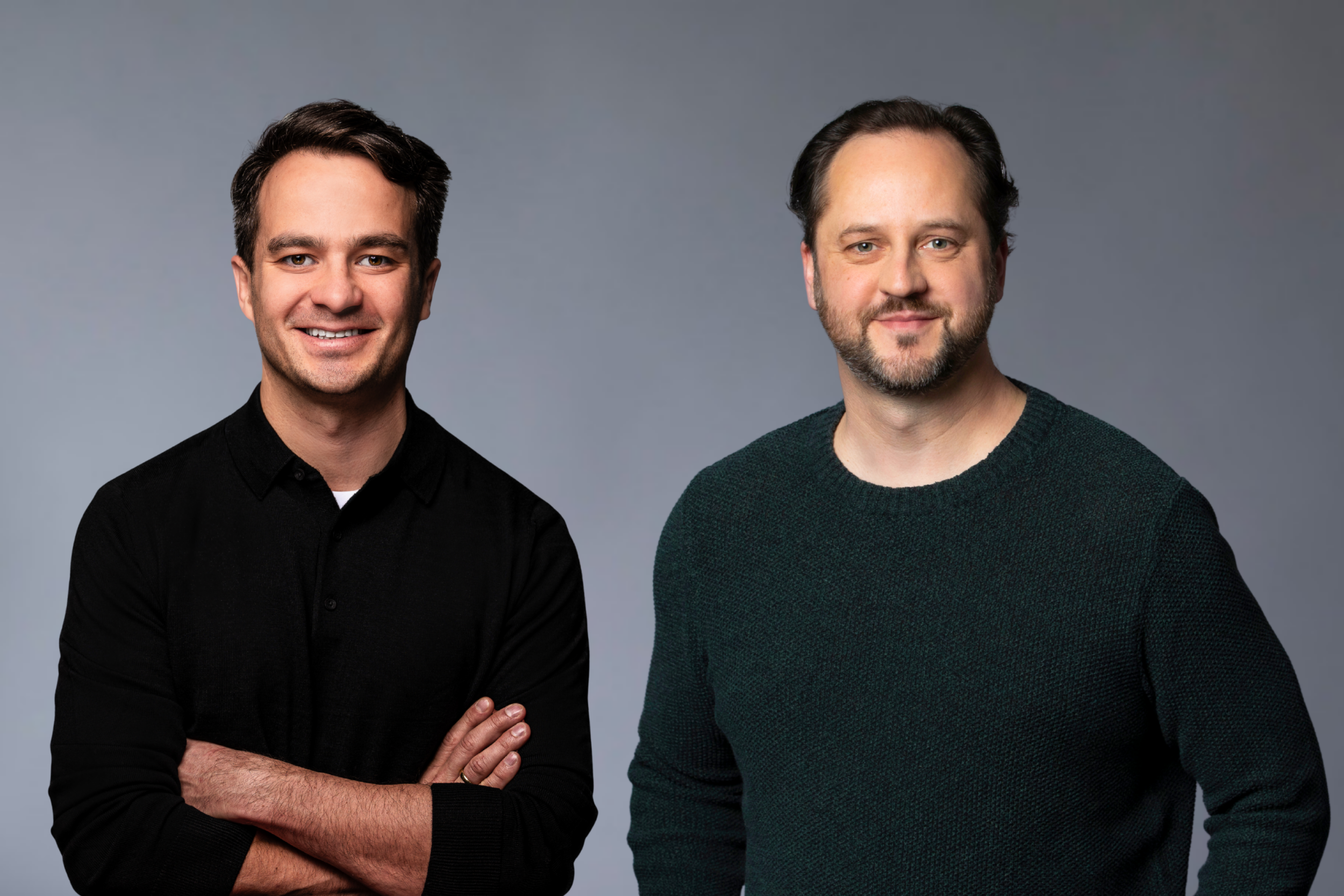
    Covalo founders Timo von Bargen and Yann Chilvers (photo: covalo)

    An industry running on fragmented data

    Innovation in personal care depends on ingredient data – yet that data remains scattered across organizations, systems, and formats. A single product such as a facial cream can require 35-40 raw materials, each with approximately 20 associated documents covering safety, regulatory compliance, sustainability claims, and technical specifications. These documents come in different structures, from different suppliers, using different nomenclature – with no standardized way to connect them. 

    The result is that R&D, regulatory, and procurement teams across the industry spend significant time on compliance, as well as the continuous collection, updating, and processing of technical data required across product development and regulatory workflows. With new regulations accelerating – including the EU Green Deal, microplastics ban, and packaging reform – approximately 80% of products are expected to require reformulation by 2030, further increasing the volume and complexity of ingredient data that companies must manage.

    This fragmentation limits the industry’s ability to effectively adopt AI and advanced digital workflows, because there is no shared, structured foundation to build on.

    From discovery platform to data backbone

    Covalo is addressing this challenge by building a secure, neutral platform that connects directly into suppliers’ product information management (PIM) systems and brands’ R&D and PLM workflows – replacing the emails, PDFs, and spreadsheets that still dominate how ingredient data moves across the industry. When a supplier updates a compliance certificate on Covalo, every brand using that ingredient will see the change immediately. When a brand qualifies a new ingredient, the structured data feeds directly into its formulation and procurement processes. 

    Yann Chilvers, Co-Founder and Co-CEO, commented: “On average, it takes 3-5 years to bring a product to market. At the end of this process, 50% of product launches fail, costing the industry hundreds of billions every year. Much of this inefficiency stems from how information is managed and shared throughout the product lifecycle; product data is the one data that flows across the entire process. The problem is that this process is highly fragmented and inefficient on an industry level. With new regulation, constant supply chain disruption, sustainability pressure, and fast changes in consumer demand, the pace of change has never been so high and companies struggle to keep up. Many companies are trying to find internal solutions to address these challenges, but what they truly need is one common data backbone that powers the industry and allows for seamless data flows across teams and partners. Covalo is that backbone.”

    Timo von Bargen, Co-Founder and Co-CEO, added: “Five years ago, we built the world’s largest ingredient discovery platform. What we’ve learned is that discovery is just the beginning – what the industry needs is a shared system of record where ingredient data is structured once, governed once, and reused everywhere. Our largest customers are expanding their use of the platform two- to three-fold year over year, not because we’re selling harder, but because once data is structured on Covalo, teams across R&D, regulatory, and procurement all want access. That compounding effect is something no standalone tool can replicate.”

    Scale, adoption, and deepening engagement

    Covalo’s position is validated by its scale, the depth of its customer relationships, and accelerating platform engagement. Platform engagement grew 84% in 2025, with 1.3 million monthly interactions and net revenue retention exceeding 145% – reflecting deepening adoption as customers expand across divisions, modules, and use cases.

    Covalo partners with key industry organizations including TraceOne for regulatory data integration, Reed Exhibitions for industry event connection, and the B Corp Beauty Coalition for sustainability initiatives, among several leading industry associations. These partnerships reinforce Covalo’s role as a neutral, trusted platform at the center of the personal care ecosystem.

    Wolfgang Krause, Managing Partner at Hi inov, commented: “Yann, Timo and their team are on the forefront of creating the new ingredient data infrastructure layer for the personal care industry. At Hi inov, we are impressed by Covalo’s up to date achievement in defining this emerging market and we are proud to add them to our Hi inov family.”

    Alexander Kölpin, Managing Partner at seed + speed Ventures, commented: “Covalo recognized early that the biggest barrier in the personal care industry isn’t access to single ingredients, but the lack of a reliable data flow between suppliers, brands, and internal systems. Instead of getting stuck at search and visibility, Covalo is building a neutral and structured data foundation for the industry. This accelerates development, makes collaboration more efficient, and enables new AI applications in the first place.” 

    What’s next

    The new funding will enable Covalo to scale its enterprise offering in key markets, launch new industry-specific AI-agents – including conversation analytics, RFI/RFP workflow automation, data extraction and enrichment, and regulatory compliance checks – and deepen its data platform with full product information management (PIM) and master data management (MDM) capabilities. The company is committed to anchor its leadership into Personal Care ahead of a future expansion into adjacent segments.

    The company’s mission is clear: to make the personal care industry’s data connected, accessible, and future-ready. 

  • Kupando Secures Additional €10 Million in Series A Financing

    Kupando Secures Additional €10 Million in Series A Financing to Advance Novel Immuno-Oncology and Infectious Diseases Programs

    • Kupando raised an additional €10 million in Series A financing, bringing the total Series A funding to €23 million.
    • Investment again led by Remiges Ventures, co-led by LifeCare Partners, with participation from all existing investors and new investor Carma Fund.
    • Proceeds will be used to fund the Phase 1b clinical study of KUP101 in advanced solid tumors and to accelerate preclinical programs in infectious diseases.
    • KUP101 is a differentiated dual TLR 4 and 7 agonist, harnessing innate immune stimulation and trained innate immunity.

    Kupando, a pioneering biopharmaceutical company developing a TLR 4/7 agonist that stimulates innate immunity and induces trained immunity for use in oncology and infectious diseases, today announced that it has secured an additional €10 million in Series A financing. This latest investment brings Kupando’s total Series A funding to €23 million.

    The investment was again led by Remiges Ventures, co-led by LifeCare Partners, with additional investments by all other existing investors, among them Brandenburg Kapital, High-Tech Gründerfonds and Ventura Biomed Investors. Carma Fund joined as a new investor. The proceeds will be used to fund the Phase 1b clinical study of Kupando’s lead candidate, KUP101, in advanced solid tumors and to accelerate its preclinical programs in infectious diseases.

    Kupando’s disruptive approach harnesses the power of innate immune stimulation and induction of trained innate immunity by dual Toll-Like Receptor (TLR) agonists. Its lead candidate, KUP101, is a differentiated dual TLR 4 and 7 agonist with a robust preclinical profile approaching clinical development. KUP101 is ideally suited for the systemic treatment of solid tumors (tissue agnostic), and the prevention and treatment of infectious diseases, including antimicrobial-resistant infections. Its AMR program is being sponsored by the Federal Ministry of Research, Technology and Space.

    “We are incredibly grateful for the continued strong support from our existing investors and excited to welcome Carma Fund to the Kupando family,” said Johanna Holldack, MD, Founder and CEO of Kupando. “This additional funding is a testament to the potential of our innovative dual TLR agonist platform and will be instrumental in advancing KUP101 into clinical studies for solid tumors and accelerating our crucial work in infectious diseases. Our mission is to leverage the natural resilience of the innate immune system to deliver truly transformative therapies for patients in critical need.”

    New investor Martin Raditsch, PhD, Managing Partner of Carma Fund, commented, “Kupando’s unique approach to leveraging innate immunity holds immense promise across oncology and infectious diseases. This successful funding round, especially in the current challenging financial climate, underscores the confidence we, as investors, have in Kupando’s science, team, and potential to deliver impactful solutions for unmet medical needs.”

    Kazuhiko Nonomura, PhD, Partner of Remiges Ventures and member of Kupando’s Advisory Board, added, “Remiges Ventures is proud to continue leading the investment in Kupando. We believe Kupando’s dual TLR 4 and 7 agonist technology, particularly KUP101, has the potential to redefine treatment paradigms in both cancer and infectious diseases. We are excited to see the company transition to the clinical stage and unlock the full potential of its pipeline.”

    Kupando was founded by its CEO Johanna Holldack, MD, driven by the natural resilience observed in animals relying solely on innate immunity. Recognizing the historically undervalued yet critical role of this system, especially with the new understanding of innate and trained immunity, Kupando has made it the core of its therapeutic approach.


    About Remiges Ventures
    Based in Seattle and Tokyo, Remiges Ventures is a US-Japan cross-border venture capital firm focused on therapeutics. Remiges Ventures takes a lead position for the syndication of Series A or later stage of investment rounds globally and actively creates new companies based on innovative assets discovered at academic institutions. Remiges Ventures’ team is connected with serial entrepreneurs, KOLs in various therapeutic areas, key consultants and major large pharmaceutical companies in the globe. The team actively participates in the value creation for its portfolio companies.

    www.remigesventures.com

    About LifeCare Partners
    LifeCare Partners is an independent investment advisory firm providing financing to private and public life science companies. LifeCare Partners targets the entire life science industry with special focus on medical technology, diagnostics, biopharmaceuticals, food & nutrition, industrial biotechnology, biomaterials, e-health and bioenergy. Based in Basel, the LifeCare Partners team has successfully invested in more than 50 life science companies over the last years, of which a large number have already been listed on the stock exchange or have been acquired by leading players in the life science industry.

    For more information, please visit: www.lifecare.partners

    About Brandenburg Kapital
    Brandenburg Kapital GmbH is a subsidiary of the Investitionsbank des Landes Brandenburg (ILB). As the venture capital arm of ILB, it has been supporting companies in Brandenburg since 1993 by acquiring equity and quasi-equity investments. As a public venture capital company, experienced lead investor and active partner, Brandenburg Kapital ensures a strong equity base for start-ups and small and medium-sized enterprises in the State of Brandenburg on the basis of a stable group environment. The equity fund, which currently amounts to around 100 million euros, is available for this purpose. The funds for the Brandenburg Kapital fund, which was set up on behalf of the Brandenburg Ministry of Economic Affairs, Labor and Energy, are currently provided by the European Regional Development Fund and ILB’s own resources.

    With a total of eleven funds, financed by the state, the EU, KfW and ILB’s own funds amounting to around 350 million euros, around 300 Brandenburg-based companies have been supported with venture capital and/or mezzanine financing over the last 32 years.

    Further information can be found at: www.brandenburg-kapital.de

    About Carma Fund
    CARMA FUND I is an early-stage investment fund for advancing Life Science and Healthcare technologies. The fund started off with a First Closing in June 2022 and has €50M under management. It is based in Munich and Frankfurt am Main.

    For more information: www.carma-fund.com

    About HTGF – High-Tech Gründerfonds
    HTGF is one of the leading and most active early-stage investors in Germany and Europe, financing startups in the fields of Deep Tech, Industrial Tech, Climate Tech, Digital Tech, Life Sciences and Chemistry. With its experienced investment team, HTGF supports startups in all phases of their development into international market leaders. HTGF invests in pre-seed and seed phases and can participate significantly in later-stage financing rounds. Since its inception in 2005, HTGF has financed around 800 startups and achieved 200 successful exits. HTGF has a fund volume of over 2 billion euros.

    Fund investors in the public-private partnership include the Federal Ministry for Economic Affairs and Energy, KfW Capital as well as 45 companies and family offices.
    For more information, please visit HTGF.de or follow us on LinkedIn.

    About Ventura Biomed Investors
    Ventura Biomed Investors invest in early-stage life science companies developing pioneering technologies and innovative therapies. As serial entrepreneurs with many years of experience, we help shape the long-term development of our portfolio companies and provide them access to our broad investor and business network.

    For more information: www.ventura-biomed.com

    About Kupando
    KUPANDO is a pioneering biotech company focused on developing innovative therapies to address critical unmet medical needs in cancer and infectious diseases. Its disruptive approach harnesses the power of innate immune stimulation and induction of trained innate immunity by dual Toll-Like Receptor (TLR) agonists. This unique modality underpins the Company’s pipeline of first-in-class, differentiated small molecules with the potential to transform the management of these challenging diseases. Its lead candidate, KUP101, is a differentiated dual TLR 4 and 7 agonist with a robust preclinical profile and a clear path to the clinic.

    Kupando is headquartered in Schönefeld, Germany and is backed by specialist institutional investors including Remiges Ventures, LifeCarePartners, Brandenburg Kapital, High-Tech Gründerfonds, Ventura Biomed Investors, Carma Fund Management and undisclosed family offices.

    For more information: www.kupando.com

  • “Incremental improvements are not enough” – Interview with Frank Desiere, CEO of CorTec

    “Incremental improvements are not enough” – Interview with Frank Desiere, CEO of CorTec

    “Incremental improvements are not enough” – Interview with Frank Desiere, CEO of CorTec

    With the second successful in-human implantation of a fully implantable brain-computer interface system, Freiburg-based medtech company CorTec is sending a strong signal for the next generation of stroke therapy.

    The technology addresses patients beyond the limits of traditional rehabilitation and opens up new functional potential. In this interview, CEO Frank Desiere talks about scaling, the role of long-term investors and mindset issues for medtech founders.

    Frank Desiere, CEO of CorTec (photo: CorTec)

    The second implantation of CorTec’s brain-computer interface is an important milestone. For which patients is the system suitable?

    Our system is intended for stroke patients who have not made any progress after years of intensive rehabilitation. Our device makes it possible to restart and accelerate therapy for these people, so to speak. The initial results are very promising.

    How can your technology change rehabilitation in the long term?

    Around 15 million people worldwide suffer a stroke every year. 80% of them suffer from paralysis, especially of the arms and hands, and 40% struggle with long-term limitations. That’s a real problem. Traditional neurorehabilitation helps for a certain period, but after six to twelve months, progress stagnates. This is exactly where we come in: our technology is designed for patients who no longer benefit from traditional therapy. We ensure that these people can regain their mobility and independence.

    The two implantations were carried out in collaboration with the University of Washington School of Medicine. How did international scientific expertise and research influence the further development of your technology?

    This is extremely important. We operate globally and collaborate with leading scientific partners in the USA, Europe and Japan. In addition to the University of Washington in Seattle, where we are advancing stroke treatment, we collaborate with the Mayo Clinic in the field of epilepsy, with Utrecht University for ALS patients and with the University of Freiburg in the field of depression. These networks accelerate innovation and ensure that we are always working at the cutting edge of research.

    How far along is development for the other indications?

    Stroke is our main indication and clear focus. In collaboration with the Mayo Clinic in the field of epilepsy, a very promising clinical trial involving 13 patients to date is already underway. This trial focuses on the early detection and prevention of epileptic seizures. Unlike with stroke patients, our device is used externally and is not implanted.

    HTGF is an early investor – since 2011. What role did this support play in the development of CorTec?

    Long-term investors such as HTGF are crucial for supporting and developing truly groundbreaking ideas. The investment managers at HTGF deserve great credit, because it takes a high level of expertise in various areas to recognise promising innovations. It also requires a clear vision and decision-making ability. Caroline Fichtner and Marco Winzer are to be congratulated for demonstrating this foresight. It is now becoming apparent that brain-computer interfaces are set to become a huge topic.

    Where do you see yourself in the international competition?

    We are not only on a par with our international competitors in the USA and China, but even ahead of them. Our unique selling point is that we can not only read the brain, but also write to it, i.e. send targeted signals to the brain. This opens up possibilities for neurological therapies of the future that others are not yet able to address.

    Can you already give us an idea of what the next steps will be – especially in the area of stroke treatment?

    We are now preparing the next round of financing. The next studies will be larger and more complex and will require more capital because of that. Europe is well positioned in the early stages, but when it comes to financing and conducting larger studies, we have a gap in the financing landscape. That is why we are also looking specifically at options in the United States and China to raise additional capital. Developing a medical technology product costs around €100 million, and we are in an area with many uncertainties.

    So far, we have been very capital-efficient as a company. We have also raised public funds and have come a long way with them. Many competitors have raised significantly more capital and are still nowhere near as far along as we are.

    What advice would you give to medtech founders?

    You have to think big and long-term: incremental improvements are not enough. It is important for founders to address issues that can make a real difference for patients. This creates a genuine medical and social impact and market potential that attracts investors.

    The right partners in academia are very important. You want to work with the best in the field to be at the forefront of implementing the latest ideas and findings.
    Partners from industry should ideally complement your own skills to really move forward in an innovation ecosystem.

    Finally, you need a team that is not only technically strong but also shares a common vision and drives an idea forward in an interdisciplinary manner.

    Thank you for the interview!

  • RAYDIAX secures €7.5 million for first-in-human studies and market entry of the therapy assistance CT “TACT”

    RAYDIAX secures €7.5 million for first-in-human studies and market entry of the therapy assistance CT “TACT”

    RAYDIAX secures €7.5 million for first-in-human studies and market entry of the therapy assistance CT “TACT”

    • RAYDIAX secures €5 million in venture capital from existing business angels, current investor bmp Ventures with the IBG funds, and the newly investing GETEC Family Office of Dr. Karl Gerhold.
    • In addition, the company receives €2.5 million in funding from the European Commission’s EIC Accelerator program.
    • The capital will be used for first-in-human studies, further development of the TACT system toward series maturity, and the establishment of sales, production, and quality structures.
    • With the market launch of the therapy assistance CT “TACT,” RAYDIAX aims to significantly expand the use of minimally invasive cancer therapies, thereby addressing demographic challenges in healthcare.
    • Compared to surgical procedures, minimally invasive cancer therapies in many cases offer the potential to shorten procedure times, reduce complication rates, and enable faster recovery.

    RAYDIAX, a spin-off of the STIMULATE research campus/Otto-von-Guericke-University Magdeburg, has secured €7.5 million for first-in-human studies and the market entry of its therapy assistance CT “TACT.” The round includes €5 million in venture capital from existing business angels, current investor bmp Ventures with the IBG funds, as well as a new investment from the GETEC Family Office of Dr. Karl Gerhold.

    In addition, the company has been awarded €2.5 million from the European Commission’s EIC Accelerator program – one of the most prestigious funding instruments for deep-tech innovation in Europe.

    With the newly raised capital, RAYDIAX will implement the first-in-human application of its therapy assistance CT scanner “TACT” to generate early clinical evidence. In parallel, the company will advance development toward series maturity and expand its organizational structures in sales, production, and quality management. The goal is to systematically prepare for the first commercial installations.

    Dr. Thomas Hoffmann, CEO and Co-Founder of RAYDIAX: “With the successful closing of our Series A1, we have reached a decisive milestone on our path toward clinical application. Following the successful seed phase and the development of our preclinical prototype, we are now focusing on generating early clinical evidence as part of the planned first-in-human studies. At the same time, we are establishing the organizational foundations for market entry. The continued trust of our existing investors, along with the support of new strategic partners, confirms the technological maturity and market potential of our approach.”

    The clinical phase now commencing marks a significant value-creation step in the development of the system and lays the foundation for regulatory approval and commercial scaling.

    Establishment of a new product category in interventional oncology

    With TACT, RAYDIAX is developing a dedicated therapy assistance CT scanner for minimally invasive cancer treatments. The system supports therapy planning, execution, and monitoring within an integrated platform specifically optimized for interventional applications.

    Minimally invasive therapies are gaining increasing importance in light of an aging population and rising cancer incidence. In many cases, they enable a less invasive treatment compared to open surgical procedures, potentially shorten procedure and hospital stay times, and help reduce complication rates. This can create additional treatment capacity and relieve pressure on hospital structures.

    With the market launch of the TACT system, RAYDIAX aims to significantly expand the range of applications for minimally invasive cancer therapies.

    European innovation funding as a strategic lever

    The support from the European Union through the EIC Accelerator program underscores the strategic importance of the technology at the European level. The funding program specifically supports companies with disruptive innovations and high scaling potential.

    Steffen Schmidt, CFO of the GETEC Group: “As the GETEC Group, we are pleased to invest in innovative technologies at our locations. After investing in new technological approaches in the field of magnetic resonance imaging through Neoscan Solutions, we became aware of RAYDIAX in the CT sector. With its innovative technology, RAYDIAX enables focused live CT imaging that reduces radiation exposure for both patients and physicians, as well as procedure time in the operating room. In addition to increasing efficiency in medical processes, RAYDIAX has also made a larger CT gantry opening possible, which will enable new surgical methods in the future, such as the use of robotics. Altogether, this convinced us.”

    Klemens Gutmann, Founder of Regiocom and Business Angel: “As an engineer, I am particularly interested in complex technical systems. The strong scientific foundation and the outstanding technical expertise of the founding team convinced me. The TACT system fills a functional gap in operating room workflows – specifically in interventional radiology.”

    Dr. Jan Alberti, Managing Partner at bmp Ventures: “With the successful closing of the Series A1, RAYDIAX reaches a decisive turning point from technology development to clinical application and market entry. TACT addresses a clearly defined clinical need in interventional oncology and has the potential to establish a new device category for minimally invasive cancer therapies. We see RAYDIAX as being exceptionally well positioned to establish an international presence in this growing market segment.”

    Dr. Jan Engels, Senior Investment Manager at High-Tech Gründerfonds: “RAYDIAX is developing a technology with the potential to significantly improve the care of cancer patients. We are proud to see the strong progress the team has made since our seed investment – culminating in the recently closed Series A1 and the prestigious EIC Accelerator grant. Since the early stages, Thomas and his team have consistently taken the right steps toward achieving clinical relevance, and we look forward to continuing to support them closely on their journey.”

    Knowledge transfer through long-term research funding

    RAYDIAX is a spin-off of the Magdeburg-based STIMULATE research campus. This internationally renowned research center for minimally invasive image-guided therapies provides an ideal environment for device and company development.

    Prof. Dr. rer. nat. Georg Rose, Chairman of the Board of the STIMULATE Research Campus: “The EIC Accelerator is one of the most selective funding programs for deep-tech innovation in Europe. That RAYDIAX has successfully passed this highly competitive process and closed its Series A1 financing round is an outstanding achievement. It confirms the scientific excellence, the technological and clinical differentiation of the TACT system, as well as the entrepreneurial maturity of the team. For the STIMULATE Research Campus at Otto von Guericke University Magdeburg, this sends a strong signal: long-term medical technology research conducted here is giving rise to internationally competitive high-tech companies with clinical and economic relevance.”

    The RAYDIAX founding team (photo: RAYDIAX)

    About RAYDIAX
    The company was founded in 2022 and is headquartered in the Magdeburg Science Harbor. The scientific spin-off was established by researchers from Otto von Guericke University Magdeburg and the STIMULATE research campus. Its technical development focuses on both hardware and software for computed tomography systems.

    Press contact
    Dr. Thomas Hoffmann, CEO RAYDIAX GmbH
    +49 391 67 57027
    pr@raydiax.com

    About bmp Ventures
    bmp Ventures is one of the most experienced venture capital investors in Germany, with a track record of more than 250 investments across nearly all technology segments, the majority of which are in the early stage. In addition to direct investments, bmp has also managed venture capital funds for the KfW Banking Group and DEG – Deutsche Investitions- und Entwicklungsgesellschaft. Currently, bmp manages the IBG funds in Saxony-Anhalt and employs around 20 people at its offices in Berlin and Magdeburg.

    About the IBG Funds
    The IBG Funds, based in Magdeburg, are the venture capital funds of the State of Saxony-Anhalt. They provide equity financing to young, innovative technology companies with above-average growth potential that are headquartered in Saxony-Anhalt. At the end of 2023, the new venture capital fund RKF IV was launched with a total volume of €63 million. It is financed by the State of Saxony-Anhalt and the European Union and invests in startups in the seed, early-stage, and growth phases. The IBG Funds are managed by bmp Ventures AG.

    Contact
    Josephine Gantze
    Marketing & Eventmanagement
    +49 391 53281-40
    jgantze@bmp.com

    About HTGF – High-Tech Gründerfonds
    HTGF is one of the leading and most active early-stage investors in Germany and Europe, financing startups in the fields of Deep Tech, Industrial Tech, Climate Tech, Digital Tech, Life Sciences and Chemistry. With its experienced investment team, HTGF supports startups in all phases of their development into international market leaders. HTGF invests in pre-seed and seed phases and can participate significantly in later-stage financing rounds. Since its inception in 2005, HTGF has financed around 800 startups and achieved 200 successful exits. HTGF has a fund volume of over 2 billion euros.
    Fund investors in the public-private partnership include the Federal Ministry for Economic Affairs and Energy, KfW Capital as well as 45 companies and family offices. For more information, please visit HTGF.de or follow us on LinkedIn.

    Medienkontakt
    High-Tech Gründerfonds Management GmbH
    Tobias Jacob, Senior Marketing & Communications Manager
    +49 228 – 82300 – 121
    t.jacob@htgf.de

    About the STIMULATE Research Campus
    At the STIMULATE Research Campus, interdisciplinary teams from hospitals, companies, and academic institutions work hand in hand to research and develop solutions and technologies for highly innovative therapeutic and diagnostic procedures in image-guided minimally invasive medicine. The innovative medical technology is designed for specific applications to improve the treatment of cancer and vascular diseases. STIMULATE is a public-private partnership between Otto von Guericke University Magdeburg, Siemens Healthineers, and the STIMULATE Association. The research campus is funded under the German Federal Ministry of Education and Research’s “Research Campus” initiative, complemented by support from the European Regional Development Fund (EFRE) in Saxony-Anhalt.

    Media contact
    STIMULATE Research Campus
    Dr. Jasmin Lother
    +49 391-67-57276
    Jasmin.Lother@ovgu.de

  • emproof Appoints Marc Schieder as CEO and Closes Funding Round with European Investor Consortium

    emproof Appoints Marc Schieder as CEO and Closes Funding Round with European Investor Consortium

    emproof Appoints Marc Schieder as CEO and Closes Funding Round with European Investor Consortium

    Bochum-based deep-tech specialist for embedded security launches international scaling – Auriga Cyber Ventures leads the round, Dutch SecFund joins as new investor, HTGF and TIN Capital expand their commitments

    emproof, a specialist in protecting embedded systems at the binary level, has appointed Marc Schieder as CEO and successfully closed a funding round with a European investor consortium. With the fresh capital, the company is accelerating its international expansion and further professionalizing its sales, compliance, and product development functions.

    Marc Schieder, CEO of emproof (photo: Petra Homeier Fotografie)

    Experienced technology executive takes the helm

    Schieder joined the company in early January 2026 and, as CEO, is responsible for transforming emproof from a research-driven start-up into a scalable enterprise SaaS organization. Previously, he served as Managing Director at DRACOON (now Kiteworks), where he was responsible for building and expanding the company.

    “Companies invest years and millions in developing their firmware and algorithms – and lose that know-how within minutes through reverse engineering. We make sure that doesn’t happen: Your genius. Preserved,” says Schieder.

    Binary-level security – without access to source code

    emproof protects embedded systems against attacks, tampering, and reverse engineering – directly at the binary level. Its minimally invasive approach enables legacy systems to be hardened retrospectively, even without access to the original source code. The company thus addresses two key market needs: protecting intellectual property in algorithms and firmware, and meeting increasing regulatory requirements such as the Cyber Resilience Act (CRA) and NIS2.

    The company operates in three strategic areas: the civilian market (automotive, industrial, and medical technology), the protection of legacy devices, and the defence & aerospace sector, where emproof collaborates in EDF-funded projects with European system integrators such as Kongsberg and Rheinmetall.

    European investor consortium secures growth

    The funding round is led by Auriga Cyber Ventures. Dutch SecFund joins as a new investor. Existing investors including High-Tech Gründerfonds (HTGF) and TIN Capital have significantly expanded their commitments.

    The capital will be invested in building the international sales team, expanding compliance frameworks – including ISO 27001:2022 certification – and further developing the product platform.

    Lead investor Auriga Cyber Ventures’ Managing Partner Geoffroy Rosset explains: “Our decision to reinvest and lead this round reflects our strong conviction in emproof’s exceptional technology and team. With Marc Schieder joining as CEO, a new chapter begins — focused on accelerating commercial growth and scaling internationally. We are proud to support emproof as it builds a global leader in embedded security.”


    About emproof
    emproof is a deep-tech company based in Bochum, originating from Ruhr University Bochum (RUB), the Max Planck Institute, and the Horst Görtz Institute for IT Security (HGI). The company develops technologies to protect embedded systems at the binary level and is backed by a European investor consortium from Germany, France, and the Netherlands. For more information, visit www.emproof.com.

    Press Contact
    Kafka Kommunikation
    Regina Urich & Cathrin Bauer
    emproof@kafka-kommunikation.de

  • Mycoverse raises €2.4 million pre-seed funding to fight potato late blight in Europe using fungi

    Mycoverse raises €2.4 million pre-seed funding to fight potato late blight in Europe using fungi

    Mycoverse raises €2.4 million pre-seed funding to fight potato late blight in Europe using fungi

    • Co-led by Future Food Fund and High-Tech Gründerfonds, with participation from PINC, the venture arm of Paulig.
    • Funding enables two years of field trials toward commercial validation.
    • Initial focus on potato late blight (an estimated €1.9bn global market), with future applications including grapevines.

    Cofounders Svend Petersen (far left) and Niels Bjerg Jensen (far right) with the Mycoverse team (photo: Rasmus Christensen) (Photo: Rasmus Christensen)

    Mycoverse, an agri-tech spin-out from the Technical University of Denmark (DTU), developing biological crop protection using fungi, has just raised a fresh €2.4 million in pre-seed equity funding. The round was co-led by Future Food Fund and High-Tech Gründerfonds (HTGF), with participation from PINC, the venture arm of Paulig. The funding will support the development of Mycoverse’s first solution targeting potato late blight, one of Europe’s most destructive crop diseases, as Europe is facing mounting pressure to reduce chemical pesticide use.

    Using its AI-driven discovery platform, Mycoverse identifies promising fungal strains and develops bioactives providing superior crop protection. Combined with Mycoverse’s state-of-the-art fungal production technology, this approach enables scalable biological crop protection solutions designed to fit seamlessly into current farming systems.

    Its lead candidates have demonstrated strong performance in greenhouse trials. Svend Petersen, CEO and co-founder of Mycoverse,commented: “This funding allows us to rapidly expand our field trials program, bringing us closer to delivering reliable biological crop protection products that farmers can adopt without changing their existing practices.”

    “We are impressed by the scientific depth of the team and the speed with which they are able to identify and screen high-performing biological candidates,” said Christian Kannemeier, Senior Investment Manager at HTGF. “The rapid development of their potato blight candidates, achieved in just five months, demonstrates the strength and efficiency of their platform.”

    The crop protection landscape in Europe is evolving in response to regulatory developments and growing demand for more sustainable agricultural practices. At the same time, farmers need reliable and cost-effective solutions to manage persistent disease pressures.

    Potato late blight remains a significant challenge and represents an estimated $1.9 billion global market opportunity. This creates clear potential for innovative bio-based solutions that support crop resilience while reducing environmental impact.

    “As chemical crop protection products are phased out and growers are increasingly dealing with resistance to products that are still on the market, the need for new solutions has never been clearer,” said Kim Wagenaar, Investment Director at Future Food Fund. “Our investment strategy is guided by the Planetary Boundaries framework, supporting innovations that allow food production to operate within Earth’s safe limits. Mycoverse combines AI-driven discovery with advanced fungal production technology to deliver biological solutions that can match field performance while reducing systemic environmental pressure.”

    PINC, the venture arm of Paulig, is focused on accelerating the transition away from chemical inputs in the food system.  “As a food company reliant on sustainable agricultural value chains, we see significant potential in technologies that reduce chemical inputs without compromising reliability. Solutions that help maintain yields while supporting soil health, biodiversity and long‑term food security are essential for a resilient food system. Mycoverse’s approach combines strong science with a clear route to scale, making it a compelling addition to our portfolio,” said Rosemari Herrero, Senior Investment Manager at PINC.

    Looking ahead, Mycoverse plans to expand its platform to additional crops, including grapevines, as regulatory institutions and agribusiness across Europe accelerate the shift toward biological crop protection.

    At the Mycoverse Lab (Photo: Thomas Steen Sørensen)

    About Mycoverse

    Mycoverse is a Danish biosolutions company developing fungal-based biological crop protection solutions. A spin-out from the Technical University of Denmark (DTU), Mycoverse uses an AI-driven discovery platform and advanced fungal production technology to develop biocontrol solutions that can replace chemical pesticides. The company’s platform is designed to support scalable, data-driven solutions across multiple crops, with an initial focus on potato late blight and future applications including grapevine. Mycoverse has previously been supported by BioInnovation Institute with € 1.9 million, bringing Mycoverse’s total fundraising up to € 4.3 million. Mycoverse on LinkedIn.

    Media inquiries:

    Lizzie Blythe
    lizzie.blythe@ederalab.com 
    International Account Manager
    +44 (0)7928 592 107

    Kurian Jacob
    kurian.jacob@ederalab.com 
    International Account Executive
    +44 (0)7763 468 972

    About PINC

    PINC is Paulig’s venture arm for investments in early-stage startups in and around the future of food. PINC aims to help Paulig renew itself and prosper, as well as contribute to a tastier and more sustainable planet.
    www.pauliggroup.com/this-is-pinc 

    About Paulig 

    Paulig is an international food and beverage company, growing a new, sustainable food culture – one that is good for both people and the planet. Paulig provides all things tasty: Tex Mex, Snacks, coffees, World Foods and spices. The company’s brands are Paulig, Santa Maria, Risenta, Poco Loco, Conimex and Zanuy. Paulig also manufactures products for its private label and industry customers. In 2024, the company’s sales amounted to approximately EUR 1.2 billion. Paulig was founded in 1876 and is 100% owned by the Paulig family. The company has 2,400 passionate employees in 13 different countries working on our purpose For a life full of flavour.  
    www.pauliggroup.com/ 

    About High-Tech Gründerfonds

    HTGF is one of the leading and most active early-stage investors in Germany and Europe, financing startups in the fields of Deep Tech, Industrial Tech, Climate Tech, Digital Tech, Life Sciences and Chemistry. With its experienced investment team, HTGF supports startups in all phases of their development into international market leaders. HTGF invests in pre-seed and seed phases and can participate significantly in later-stage financing rounds. Since its inception in 2005, HTGF has financed around 800 startups and achieved 200 successful exits. HTGF has a fund volume of over 2 billion euros. 
    Fund investors in the public-private partnership include the Federal Ministry for Economic Affairs and Energy, KfW Capital as well as 45 companies and family offices.  
    For more information, please visit HTGF.de or follow us on LinkedIn.

    About Future Food Fund

    Future Food Fund is a Netherlands-based venture capital firm investing in Seed and Series A companies across Western Europe that are revolutionizing the food and agriculture value chain. By targeting innovative startups, Future Food Fund aims to address critical sustainability challenges, including greenhouse gas emissions, biodiversity loss, and water demand, fostering a sustainable future within planetary boundaries. Future Food Fund benefits from support from the European Union under the InvestEU Fund.

  • Muscles Become Digital Interfaces: Noxon Closes Seed Funding Round

    Muscles Become Digital Interfaces: Noxon Closes Seed Funding Round

    Muscles Become Digital Interfaces: Noxon Closes Seed Funding Round

    • Noxon, a Munich-based MedTech spin-off from three leading universities, has closed a multi-million-euro seed funding round.
    • The funding will accelerate development of a non-invasive, wearable Muscle-Computer Interface that turns muscles into digital and programmable interfaces for the first time.
    • The technology decodes and controls human movement – from reducing Parkinson’s tremor and restoring motor function after paralysis to performance analysis in elite sports.
    • As a modular platform, Noxon targets a market of over 1.1 billion people affected by muscle-related conditions and is setting new standards in rehabilitation, neurology, and wearable MedTech.

    Noxon, a MedTech company based in Munich and a spin-off from three renowned universities, has successfully closed its seed funding round. The round was led by High-Tech Gründerfonds (HTGF) and Bayern Kapital, two of the leading venture capital investors in Germany and Europe, together with Auxxo and another institutional investor. The capital will be used to advance the clinical validation and certification of Noxon’s non-invasive Muscle-Computer Interface and to prepare for the market launch of its first therapy modules.

    Noxon founders (photo: Sergen Demiroglu)

    In rehabilitation and for neuromuscular disorders, muscle diagnostics and activation are traditionally performed only sporadically and under clinical conditions. As a result, patients lack continuous data and adaptive therapy in their daily lives throughout the treatment process.

    Noxon addresses this gap with a medical Muscle-Computer Interface that, for the first time, combines continuous muscle diagnostics and neuromuscular electrical stimulation (NMES) in a wearable suitable for everyday use. The key innovation lies in the closed feedback loop of real-time measurement and personalized muscle and nerve activation over the course of therapy, seamlessly integrated into existing products such as tapes, patches, and orthopedic aids.

    Noxon is also collaborating with leading medical partners, including the University Hospital Würzburg and the neuroscience group N-Squared Lab, on additional pilot applications. The focus is on supporting muscle control when signal transmission between the brain and muscle is impaired, such as with solutions that reduce tremor in Parkinson’s patients.

    “Neurological and musculoskeletal diseases are on the rise globally. Healthy muscle function is fundamental, yet often overlooked, and existing solutions tend to be too complex or costly,” says Maria Neugschwender, CEO of Noxon. “The support from HTGF and Bayern Kapital enables us to further validate our platform technology clinically and bring our first products to market. Our goal is to make muscle health transparent, personalized, and affordable for everyone.”

    Dr. Lena-Sophie Schütter, Investment Manager at HTGF, adds: “What I find so compelling about Noxon is how effective therapy can become as simple as applying a bandage. The Muscle-Computer Interface platform gives patients the opportunity to regain mobility and independence, from preventing muscle atrophy to reducing Parkinson’s tremor. That’s a true advance for quality of life.”

    Monika Steger, Managing Director of Bayern Kapital, comments: “Noxon’s technology platform, which enables human muscles to be both ‘read’ and then stimulated and activated, holds significant potential across a range of applications, particularly in therapy and medical rehabilitation. Based on this approach, conditions that are currently difficult to treat, such as Parkinson’s or paralysis, could be addressed more effectively and gently for patients. This would represent major value for both medical technology and healthcare as a whole, making Noxon a very promising investment.”


    About Noxon
    Founded in 2022, Noxon is a MedTech company focused on non-invasive neuro- and muscle technologies. Its mission is to integrate evidence-based, digital care concepts into both clinical practice and everyday life.

    About HTGF – High-Tech Gründerfonds
    HTGF is one of the leading and most active early-stage investors in Germany and Europe, financing startups in the fields of Deep Tech, Industrial Tech, Climate Tech, Digital Tech, Life Sciences and Chemistry. With its experienced investment team, HTGF supports startups in all phases of their development into international market leaders. HTGF invests in pre-seed and seed phases and can participate significantly in later-stage financing rounds. Since its inception in 2005, HTGF has financed around 800 startups and achieved 200 successful exits. HTGF has a fund volume of over 2 billion euros. Fund investors in the public-private partnership include the Federal Ministry for Economic Affairs and Energy, KfW Capital as well as 45 companies and family of-fices. For more information, please visit HTGF.de or follow us on LinkedIn.

    About Bayern Kapital
    Bayern Kapital is one of the most experienced and financially strong venture capital investors in the DACH region. With around €1.3 billion in assets under management, over 120 active portfolio companies, and ticket sizes of up to €50 million per company, Bayern Kapital is one of the few investors in the market that provides financing from pre-seed to global growth and scale-up rounds from a single source. As a public venture capital investor, Bayern Kapital invests in consortiums with leading national and international venture capital funds and supports tech startups and scaleups as a reliable anchor investor across multiple financing rounds.

    Since 1995, Bayern Kapital has financed around 390 startups and scaleups with over €675 million of its own equity capital in areas such as deep tech, life sciences, AI, climate tech, SaaS, new space, and quantum technology. Among the numerous success stories from Bavaria are EGYM, plancq, Isar Aerospace, Tubulis, Marvel Fusion, and OroraTech.

  • ISPTech Raises €5.5M Seed Round to Redefine How Spacecraft Manoeuvre in Orbit

    ISPTech Raises €5.5M Seed Round to Redefine How Spacecraft Manoeuvre in Orbit

    ISPTech Raises €5.5M Seed Round to Redefine How Spacecraft Manoeuvre in Orbit

    ISPTech, a German space tech company building propulsion systems that let spacecraft manoeuvre with speed and agility in orbit, has raised €5.5 million to deploy its advanced, non-toxic propulsion solutions for operational space missions.

    The funding comes as demand for easy to use, cost-efficient and scalable propulsion solutions rises sharply. This shift reflects a broader industry transition towards safer, more flexible and more affordable in-orbit mobility, which ISPTech aims to take a defining role.

    The round was led by Join Capital, with participation from High-Tech Gründerfonds (HTGF), Faber, First Momentum Ventures, Lightfield Equity, Final Frontier Liftoff, The German Aerospace Center (DLR), and Start-up BW Seed Fonds, among others. The Seed funding will be used to expand manufacturing capabilities, testing of critical infrastructure and to accelerate commercial deployment.

    Satellite constellations are growing denser and missions are becoming more complex as spacecraft must reliably shift orbits and avoid collisions with zero tolerance for failure. Today, there is a lack of rapid, agile and high thrust maneuvering capabilities required for in our orbit.

    With mobility in orbit becoming a hard operational constraint, ISPTech is building propulsion systems which are now ready for spaceflight and accelerating commercial traction with satellite manufacturers and mission operators. The technology also has applications across defense, servicing and even refueling.

    “Regular, reliable and affordable access to space via reusable rockets is possible now,” said Lukas Werling, CEO and Co-Founder. “However, the true in-space ecosystem will only be unlocked by mobility solutions for satellites and spacecraft. We are building the propulsion systems that will power the space ecosystem and enable the expansion of humankind into our solar system.”

    Meanwhile on Earth, regulatory pressure is accelerating the phase-out of conventional propulsion systems that rely on highly toxic propellants. Substances such as hydrazine are facing bans under proposed legislation due to its toxicity and carcinogenicity, which will increase costs and limit flexibility for existing operators.

    As regulators and launch providers tighten restrictions on these chemicals, satellite manufacturers are being forced to rethink propulsion choices. This is creating demand for alternatives that can meet mission requirements without introducing new operational risk.

    Dr.-Ing. Lukas Werling and Dr.-Ing. Felix Lauck in front of vacuum chamber for propulsion testing (photo: ISPTech)

    Enabling Mobility for Every Spacecraft

    With the rapid expansion of satellites in orbit and an increasing need for dynamic, precision-controlled operations, propulsion has become a critical operational constraint rather than a background component. ISPTech’s propulsion portfolio spans HyNOx, an easy-to-use and affordable propulsion system designed for robustness, long continuous firings, and rapid availability, which is an ongoing limitation with competing systems.

    “Too much space hardware looks great on paper and never proves itself where it matters, in orbit,” said Felix Lauck, CTO and co-founder of ISPTech. “Propulsion is foundational to everything that happens in space and needs to be executed without adding risk or complexity under real constraints. ISPTech is doing this today for every class of spacecraft and every mission profile.”

    The company’s HIP_11 solution is a patented propulsion technology developed as a practical alternative to conventional toxic hypergolic propellants. It uses a unique, self-igniting propellant combination based on hydrogen peroxide and an ionic liquid fuel, offering a drop-in replacement for toxic hypergols without compromising reliability or maneuverability.

    Furthermore, this technology allows for the seamless implementation of an electric mode, which enables efficient and fast maneuvers to be performed with the same system. This true multi-mode approach is only possible with HIP_11.

    Together, the HyNOx and HIP_11 systems allow ISPTech to supply propulsion for spacecraft ranging from small CubeSats to large satellites, in-orbit service vehicles, and future mission architectures.

    Built on more than a decade of propulsion research at the German Aerospace Center (DLR), ISPTech’s technologies address persistent challenges that still constrain satellite operators today.

    Team picture ISPTech (photo: ISPTech)

    In-Orbit Missions Set for 2026

    ISPTech is currently preparing two customer missions, with a first small-sat mission using ISPTech propulsion scheduled to launch in 2026. Furthermore, CubeSat propulsion systems are undergoing acceptance testing, with deliveries planned for later this year.

    ISPTech has already secured significant customer contracts for customer missions, reflecting early confidence from spacecraft manufacturers and mission operators. “Our contract with ISPTech is a testament to the short lead time, the capabilities of their propulsion systems, and the strength of the team behind them,” said Sebastian Klaus, CEO and Co-Founder of Atmos Space Cargo.

    Development of HIP_11 and orbital refueling capabilities is further supported through projects backed by the European Space Agency, reinforcing the technology’s relevance for long-term European space infrastructure.

    “Under the leadership of Lukas and Felix, ISPTech is set to enable truly dynamic and flexible space operations, redefining what’s possible in orbit with the breakthrough of their multimode propulsion system,” said Julia Flaig of Join Capital. “Their combination of deep technical expertise, commercial acumen, and extensive network across the space community is exceptional.”

    ISPTech is building the mobility layer for the future space economy. Its ambition is to unlock propulsion capabilities that do not yet exist by giving spacecraft the freedom to move, adapt, and operate reliably over long missions. By turning propulsion from a constraint into an enabler, ISPTech is laying the groundwork for resilient satellite operations, new in-orbit services, and a fully functional in-space ecosystem.


    About ISPTech
    InSpacePropulsion Technologies (ISPTech) is pioneering a new era of space mobility – delivering propulsion solutions for every spacecraft and every mission. As a spin-off from the German Aerospace Center (DLR), the company offers cost-effective, robust and quickly available in-space propulsion solutions based on more than 10 years of R&D.

    ISPTech’s two technologies – HyNOx and HIP_11 – serve every spacecraft from small CubeSats to large landers and capsules. The propulsion technologies are designed to meet the growing demand for reliable and economical propulsion systems in the rapidly growing space market.

    About Join Capital
    JOIN Capital is an early-stage, pan-European venture capital fund with offices in Berlin, London, and Milan. Since 2017, we’ve been backing founders whose technologies strengthen Europe’s resilience and strategic autonomy through an asymmetric technological advantage. Our focus is on deep tech across enterprise, industrial, space, and defense sectors — solutions that strengthen economies, secure critical infrastructure, and create enduring strategic advantage.

    JOIN Capital currently invests from its second fund generation, managing over €150 million in assets. Investors include NATO Innovation Fund (NIF), Isomer Capital, KfW Capital, and Cassa Depositi e Prestiti (CDP), leading funds-of-funds, and prominent family offices. To date, we’ve backed 36 portfolio companies and successfully realised five exits.

    www.join.capital

  • Europe Builds Again as Fusion Moves from Lab to Grid: Proxima Fusion on its way to strengthening European energy sovereignty 

    Europe Builds Again as Fusion Moves from Lab to Grid: Proxima Fusion on its way to strengthening European energy sovereignty 

    Europe Builds Again as Fusion Moves from Lab to Grid: Proxima Fusion on its way to strengthening European energy sovereignty 

    For decades, fusion has been the ultimate scientific promise—clean, virtually limitless energy, always a few breakthroughs away.

    Today, that promise takes a tangible step toward industrial reality: Proxima Fusion has signed a landmark agreement with RWE, the Free State of Bavaria, and the Max Planck Institute for Plasma Physics to develop what could become Europe’s first grid-connected commercial fusion power plant based on advanced stellarator technology.

    This is not just another research collaboration. It is the beginning of an industrial roadmap: first the Alpha demonstrator in Garching, designed to achieve net energy gain in a stellarator for the first time; then Stellaris, a commercial power plant planned for Gundremmingen that would feed fusion-based electricity directly into the grid. This marks a historic shift from scientific excellence to energy infrastructure.

    Artistic rendering of the future site of Proxima Fusion’s Stellaris, the first commercial stellarator fusion power plant, in Gundremmingen, Germany. (Picture: Proxima Fusion)

    Fusion as a Sovereignty Project

    While this is about clean energy, it is also about sovereignty. Unlike fossil fuels, fusion does not rely on imported resources. Unlike nuclear fission, it produces no long-lived radioactive waste. And while other emerging energy technologies are advancing rapidly and will play critical roles in Europe’s transition, fusion stands out because Europe is not starting from behind. It brings decades of world-class research and scientific depth. The Max Planck Society’s Wendelstein 7-X stellarator, one of the most advanced fusion experiments in the world, has laid the scientific groundwork. What has been missing so far is not physics but industrial execution at startup speed.

    Dr. Francesco Sciortino, Co-Founder and CEO of Proxima Fusion

    “This MoU is a milestone that visibly positions the European fusion industry on the global stage,” says Francesco Sciortino, Co-Founder and CEO of Proxima Fusion. “It marks the starting point of an industrial ecosystem that consolidates existing and new know-how in Europe and anchors value creation here. This marks the beginning of a long-term industrial growth trajectory over the coming decades, creating new export opportunities for Germany and Europe.”

    Alpha and Stellaris are expected to create thousands of jobs and activate supply chains across advanced manufacturing, superconducting magnets, power electronics, and complex plant engineering. For the first time, Europe’s fusion capabilities are being consolidated into a concrete engineering project designed for commercial deployment.

    From Spin-Out to Industrial Scale

    Proxima’s journey reflects what European deep tech can look like when long-term capital meets scientific excellence.

    HTGF supported the company from its earliest days as a Max Planck spin-out. DTCF joined at seed stage and played a key role in structuring the record Series A financing in 2025, bringing growth capital at the moment when ambition needed acceleration.

    “If we want to build new industries in Germany and secure sustainable growth, we must think big and finance key technologies with conviction,” says Johannes Weber, Principal at HTGF. “Fusion has the potential to fundamentally reshape Europe’s energy system. This milestone shows how research can translate into real value creation.”

    Johannes Weber, Principal at HTGF

    Dr. Torsten Löffler, Investment Director at DTCF

    Dr. Torsten Löffler, Investment Director at DTCF, adds: “Fusion is one of the most ambitious technological endeavors of our time—and one of the greatest opportunities for Europe’s industrial future. Today’s milestone shows how Proxima is moving from research toward building a real energy industry.”

    Europe Builds Again

    The agreement establishes a framework that combines public and private capital to move fusion from laboratory physics to industrial reality. Bavaria has signaled substantial state co-financing, subject to federal funding, while Proxima and its partners are mobilizing private capital and industrial expertise.

    It is still early. Fusion remains technically demanding and capital intensive. But for the first time, Europe is not only researching fusion, it is preparing to build it.

    This step is supported by a clearly defined public-private financing approach. Proxima intends to finance approximately 20 percent of the project’s total costs through private international investors. Subject to federal funding, the Free State of Bavaria has indicated a potential state co-financing contribution of 20 percent. RWE has also signaled its willingness to participate financially within the framework of the MoU.

    Proxima Fusion is a powerful example of how Europe can once again take on large-scale strategic technologies, building new value chains, new competencies, and a credible path toward long-term energy sovereignty.

    We congratulate Francesco and the entire Proxima team on this milestone and are proud to continue supporting their journey as long-term investors. 

    Press Material

    Official Statement from Proxima Fusion (External Link)
    Official Press Release (English; PDF)
    Official Press Release (German; PDF)

    Proxima CEO Francesco Sciortino with Markus Söder, Markus Blume, Hubert Aiwanger, Markus Krebber, and Sibylle Günter at the Bavarian State Chancellery on February 26, 2026.
  • Clee Medical secures Seed financing

    Clee Medical secures Seed financing

    Clee Medical secures Seed financing to advance real-time brain imaging for neurosurgery

    • Clee Medical closes its Seed financing round to accelerate development of its real-time intraoperative brain imaging platform, Neuro Access.
    • The round is led by High-Tech Gründerfonds (HTGF), with participation from Zürcher Kantonalbank, Kickfund, FONGIT, and Venture Kick who join existing investors the Wyss Geneva for Bio and Neuroengineering.
    • The financing will support product development, clinical validation, and regulatory preparation.

    Clee Medical, a Swiss neurotechnology startup developing novel ultra-high-resolution real-time imaging for brain surgery, today announced the successful closing of its Seed financing round. The round was led by High-Tech Gründerfonds (HTGF), one of Europe’s most active early-stage investors, with participation from Zürcher Kantonalbank (ZKB), Kickfund, FONGIT, and Venture Kick. The company also benefits from the continued participation from their existing partner and investor, Wyss Geneva.

    The financing will enable Clee Medical to accelerate the development and clinical validation of its Neuro Access platform, a minimally invasive technology designed to help neurosurgeons visualize brain anatomy and critical structures in real time during stereotactic procedures.

    “Neurosurgery still relies heavily on pre-operative imaging, while the reality in the operating room is dynamic and uncertain,” said Matthew Lapinski, Co-Founder and CEO of Clee Medical. “This Seed round allows us to bring a new level of real-time visibility into the brain, supporting safer procedures and expanding what minimally invasive neurosurgery can achieve.”

    Improving surgical precision in a high-risk environment

    Many neurosurgical procedures depend on navigating delicate brain structures with millimeter-level precision. Yet during surgery, anatomical shifts and limited intraoperative visibility can make targeting challenging. Clee Medical’s Neuro Access platform is designed to address this gap by providing real-time, ultra-high-resolution imaging inside the brain, supporting surgeons in navigating complex anatomy with greater confidence.

    The company’s technology builds on years of translational research and is being developed with the goal of supporting a wide range of applications, including functional neurosurgery and neuro-oncology.

    Funding will accelerate clinical validation and regulatory progress

    With the Seed financing, Clee Medical plans to expand its development and clinical programs and advance toward key milestones required for early clinical adoption, specifically their first in human clinical study.

    “Clee Medical is addressing a critical unmet need in neurosurgery: the ability to see relevant structures in real time during minimally invasive procedures,” said Tilmann Petersen, Investment Manager at HTGF. “We are glad to back such an experienced team — proven through the development and successful exits of today’s market‑standard neurosurgical devices such as the Stealth Station — and believe they have the technical depth and clinical focus to build a category‑defining platform in neurotechnology.”

    A milestone for Swiss neurotechnology innovation

    The Seed round marks a major step in Clee Medical’s transition from preclinical development into clinical translation. Supported by a strong European investor syndicate and the continued backing of Wyss Geneva, the company is positioned to advance Neuro Access toward real-world use in the operating room.

    Clee Medical’s long-term vision is to enable a future where neurosurgeons can operate with enhanced real-time insight, improving safety, efficiency, and outcomes for patients undergoing complex brain procedures.

    The company is led by co-founders Matt Lapinski and Abed Hammoud. Matt brings more than a decade of experience building and scaling Class III medical device startups in the United States. Abed has contributed to the development of market-leading neurosurgical systems, including Medtronic’s StealthStation stereotactic platform and Renishaw’s NeuroMate robotic system, bringing deep expertise in precision neurotechnology and surgical navigation.

    Das Gründungsteam von Clee Medical (von links): Gary Evans (Chefingenieur), Jules Scholler (Ingenieur für optische Systeme), Matt Lapinski (CEO) und Abed Hammoud (CTO)

    About Clee Medical

    Clee Medical SA is a Swiss medical technology company based in Geneva developing minimally invasive neurotechnology solutions. Its flagship platform, Neuro Access, combines ultra-high-resolution real-time intraoperative Optical Coherence Tomography imaging with advanced navigation capabilities to support precision neurosurgery.

    The company’s mission is to forge a new era of highly targeted neuro therapies by improving surgical visibility and enabling safer access to deep brain targets.

    Clee Medical was founded in October 2024 and has gained recognition within the Swiss innovation ecosystem, including being named one of the Top 100 Swiss Startups in 2025, and has received support from leading Swiss innovation programs and partners. For more information, please visit CleeMedical.com or follow us on LinkedIn

  • SAP invests in Avelios Medical

    SAP invests in Avelios Medical

    SAP invests in Avelios Medical

    SAP, one of our long-standing limited partners, makes a strategic investment in our portfolio company Avelios Medical, a company that is reshaping hospital IT and clinical workflows. Together, Avelios and SAP offer an open, AI-native and sovereign platform, developed in Europe and designed for enterprise-scale hospital rollouts.

    SAP’s commitment reflects conviction in a company that HTGF has backed at the earliest stage. At HTGF, we sit at the intersection of bold founders and industry-defining LPs. When the two sides connect that’s the HTGF flywheel working.

    What makes Avelios particularly compelling is its timing. The IS-H transformation is reshaping the clinical IT market, and hospitals facing fundamental IT realignments need orientation. Avelios is exactly that. The company offers a platform that integrates clinical workflows, patient data, and administrative processes – built on a structured, semantically consistent data model that enables interoperability and clinical intelligence at enterprise scale.

    Founding team of Avelios Medical (Photo: Avelios Medical)
  • Growth turbo for the heating transition: nuuEnergy raises €4.3 million to revolutionise the heat-pump market with craft expertise

    Growth turbo for the heating transition: nuuEnergy raises €4.3 million to revolutionise the heat-pump market with craft expertise

    Growth turbo for the heating transition: nuuEnergy raises €4.3 million to revolutionise the heat-pump market with craft expertise

    Munich-based EnergyTech start-up nuuEnergy, which specialises in building regional heat-pump installation businesses, has secured €4.3 million in a seed funding round.

    The round is led by amberra, the corporate venturing studio of the Cooperative Financial Network (Genossenschaftliche FinanzGruppe) Volksbanken Raiffeisenbanken. Additional investors include EnjoyVenture as well as existing backers HTGF, Vireo Ventures, better ventures and Bynd Venture Capital.

    Despite a market dip in 2024, the heat-pump market has been growing at double-digit annual rates since 2020. Around 229,000 units were sold last year alone, an increase of 55% year-on-year. According to the German Heat Pump Association (BWP), up to 500,000 heat pumps per year are expected to be installed by 2030. For existing single-family homes in Germany alone, this represents a market volume of more than €21 billion. The climate impact is substantial: switching to heat pumps can reduce building-related CO₂ emissions by up to 95%. However, a shortage of skilled labour and inefficient processes continue to constrain growth.

    This is where nuuEnergy GmbH, founded at the end of 2023, comes in—representing a new generation of the heating transition in the building sector: locally rooted, digitally enabled and human-led. nuuEnergy generates revenue through the planning and installation of heat pumps as well as long-term maintenance contracts. Additional revenue potential arises from value-added services such as water-softening systems or energy consulting. The young company quintupled its revenue from 2024 to 2025 and plans to deliver projects in the high three-digit range in 2026. With the capital raised, nuuEnergy will accelerate the establishment and expansion of regional specialist craft businesses and further digitise the entire installation process.

    In building regional craft businesses (“hubs”), sought-after skilled workers are attracted through modern software tools and attractive working conditions. nuuEnergy therefore positions itself between traditional craft enterprises and digital ‘neo-installers’. Currently, nuuEnergy’s master technicians and installers operate in the greater Munich, Hamburg and Cologne areas, within a radius of approximately 1.5 hours. In some regions, they also collaborate with long-standing, vetted partner companies. Fully digitised processes and specialised system planners on site ensure individualised technical planning for each building, maximising the efficiency of the new heating system.

    Tobias Klug and Julia Rafschneider, co-founders of nuuEnergy (Photo: nuuEnergy)

    “Our customers want a local partner who guides them through the entire process—with the highest quality in planning, installation and service. With the Cooperative Financial Network and EnjoyVenture, we now have additional strong partners on board who support the development of our business model with both capital and expertise. Cooperative banks can also provide our customers with tailored financing solutions and give further momentum to the local heating transition,” says Tobias Klug, co-founder of nuuEnergy. “This strengthens our regional, quality-focused approach. Ultimately, our craftspeople—the heart of our company—benefit as well,” adds Julia Rafschneider, co-founder of nuuEnergy.

    With our investment in nuuEnergy, the Cooperative Financial Network is actively shaping the energy-efficient modernisation of residential buildings in Germany,” says Björn Schmuck, Managing Director of amberra. “The collaboration with the start-up enables the Volksbanken Raiffeisenbanken to combine regional value creation with digital financing processes. What particularly impressed us about nuuEnergy is its close cooperation with local skilled trades businesses – and, by extension, with the customers of our banks.”

    “With many LPs deeply rooted in the SME sector themselves, we strongly believe in nuuEnergy’s mission and positioning to make genuine quality scalable,” says Gerrit Gnisa, Investment Manager at EnjoyVenture. “With nuuEnergy, I can say with a clear conscience: I would buy a heat pump from them myself. The team is not focused on digital sales alone, but on delivering real, long-term innovation in skilled trades and engineering.”

    HTGF has deliberately decided to make a follow-on investment in the Munich-based company: “We see significant potential. The heat-pump market has clearly regained momentum—and nuuEnergy offers a compelling solution: working hand in hand with the craft sector, a scalable model is emerging that enables millions of households to switch to heat pumps while maintaining high quality,” says Johannes Weber, Principal at HTGF.


    About nuuEnergy
    Founded in 2023, nuuEnergy specialises in the planning and installation of heat pumps. With a unique business model, the company combines the advantages of digital processes with the quality and customer proximity of traditional craft businesses. Its goal is to make the transition to climate-friendly heating as simple, efficient and high-quality as possible.

    For more information, please visit www.nuuenergy.com.

    About amberra and the amberra fund
    amberra is the corporate venturing studio of the Cooperative Financial Network Volksbanken Raiffeisenbanken. Founded in 2023, amberra is building an ecosystem of bank-adjacent and non-bank services for cooperative banks—through investments and partnerships with start-ups as well as the development of its own ventures together with partners from the cooperative network. The company focuses on the life domains of housing, health, sustainability and regional economy.

    The basis for amberra’s investment activities is the amberra fund, with a target volume of €100 million. Following investments in the real-estate platform Impleco/Wohnglück, the education start-up ubimaster, and the health start-ups Lillian Care and Gardia, the fund now expands its portfolio with nuuEnergy into the sustainability domain.

    For more information, please visit www.amberra.de or follow us on LinkedIn.

    About EnjoyVenture
    EnjoyVenture is one of Germany’s oldest venture-capital funds, providing early-stage financing to technology and growth companies for 25 years.

    For more information, please visit www.enjoyventure.vc.

    About HTGF – High-Tech Gründerfonds
    HTGF is one of the leading and most active early-stage investors in Germany and Europe, financing startups in the fields of Deep Tech, Industrial Tech, Climate Tech, Digital Tech, Life Sciences and Chemistry. With its experienced investment team, HTGF supports startups in all phases of their development into international market leaders. HTGF invests in pre-seed and seed phases and can participate significantly in later-stage financing rounds. Since its inception in 2005, HTGF has financed around 800 startups and achieved 200 successful exits. HTGF has a fund volume of over 2 billion euros. Fund investors in the public-private partnership include the Federal Ministry for Economic Affairs and Energy, KfW Capital as well as 45 companies and family of-fices.

    For more information, please visit HTGF.de or follow us on LinkedIn.

    About better ventures
    better ventures is Europe’s leading alliance for impact entrepreneurs. The network has invested in more than 45 impact start-ups with over 80 entrepreneurial angels, focusing on scalable business models that combine impact and return.

    For more information, please visit www.betterventures.io.

    About Vireo Ventures
    Vireo Ventures is a Berlin-based early-stage fund specialising in European start-ups in energy and electrification.

    For more information, please visit www.vireo.vc.

    About Bynd
    Bynd is a leading Iberian Venture Capital firm with focus on investing in pre-seed and seed tech startups with 70+ investments realized across sectors and industries since 2010.

    For more information, please visit www.bynd.vc.

  • INLEAP Photonics Secures Pre-Seed Funding to Develop Laser-Based Counter-Drone System for Defence and Critical Infrastructure 

    INLEAP Photonics Secures Pre-Seed Funding to Develop Laser-Based Counter-Drone System for Defence and Critical Infrastructure 

    INLEAP Photonics Secures Pre-Seed Funding to Develop Laser-Based Counter-Drone System for Defence and Critical Infrastructure

    Tech company INLEAP Photonics is emerging from stealth mode following the completion of its pre-seed funding round in summer 2025.

    The round was led by High-Tech Gründerfonds (HTGF), with participation from Ventis Capital and additional private investors. The capital will be used to scale INLEAP® FASTLIGHT® SHIELD, a laser-based defence system that has already been successfully tested and reduces response times to asymmetric threats to mere fractions of a second. 

    INLEAP Photonics Management Team: Felix Wellmann, Katharina Haas, Marius Lammers (l-r)  (photo: INLEAP Photonics)

    Laser-based response to a real security challenge 

    Drones have become an operational risk: rapidly available, low-cost, versatile, and difficult to stop in many scenarios. Operators of critical infrastructure, authorities and armed forces require capabilities that act within seconds, remain precise, can be deployed repeatedly, and operate responsibly even in challenging environments. INLEAP Photonics addresses this gap with technology originating from high-speed industrial applications and adapted for defence applications.

    Proven technology as the foundation for FASTLIGHT® SHIELD 

    INLEAP® FASTLIGHT® – originally developed for high-speed laser processes such as Additive Manufacturing and battery cell production – enables ultra-fast and ultra-precise laser beam steering. 

    INLEAP® FASTLIGHT® SHIELD builds on this industrially validated platform: 
    a laser-based defence system that neutralises drones by applying highly targeted energy to identified weak points – within extremely short time windows, deployable in mobile setups and designed for repeated operations. 

    INLEAP Photonics has successfully developed and tested the first system and is now expanding its operational and performance parameters for user deployment.

    Shelter (mobile control unit used during testing INLEAP® FASTLIGHT® SHIELD)  (photo: INLEAP Photonics)

    Dr.-Ing. Marius Lammers, CEO of INLEAP Photonics: 
    “We counter the asymmetric drone threat with technological superiority. The current security situation leaves no room for slow solutions. Our system closes the temporal gap between detection and effect. With this funding, we have consistently advanced our prototype toward operational readiness and offer German industry and public-sector actors a sovereign defence capability against airborne threats.” 

    Dr.-Ing. Felix Wellmann, CTO of INLEAP Photonics: 
    “Our industrial expertise enables laser beam steering speeds that current systems cannot match. The prototype has demonstrated that we can intercept agile targets within milliseconds. We are now transferring this precision into a robust, scalable system that effectively protects critical infrastructure and military facilities.” 

    Dr. Koen Geurts, Senior Investment Manager at HTGF: 
    “INLEAP Photonics addresses a highly relevant future market at the intersection of deep tech and defence. Laser effectors for drone and air defence are a rapidly growing technology segment dominated by only a few players. INLEAP’s precision and performance are exceptional. The ambition is clear: INLEAP wants to become a global leader in laser-based C-UAS.” 

    Following the successful demonstration of its core capability, INLEAP Photonics is now working on operational scaling. This includes expanding performance classes, validating the system in real deployment scenarios, and further developing system integration into existing security architectures.


    About INLEAP Photonics 
    INLEAP Photonics is a German high-tech company that develops, manufactures and sells ultra-fast and highly precise laser beam steering systems. The company builds and industrialises high-performance laser technology for two key applications: increasing efficiency and productivity in industrial manufacturing, and enabling safe and controlled drone defence to protect people and critical infrastructure. 

    Based on the industrially proven INLEAP® FASTLIGHT® technology, INLEAP® FASTLIGHT® SHIELD has been developed as a laser-based solution for controlled and eye-safe drone defence. It enables deployment in sensitive and urban environments – reliably, precisely and without collateral damage. 

    INLEAP Photonics was founded as a spin-off from Laser Zentrum Hannover e. V. and combines deep expertise in optics and laser systems engineering with industrial robustness. The company addresses industrial users, public-sector clients and security-relevant organisations across Europe. Further information is available at: www.inleap-photonics.com

    About HTGF – High-Tech Gründerfonds  
    HTGF is one of the leading and most active early-stage investors in Germany and Europe, financing startups in the fields of Deep Tech, Industrial Tech, Climate Tech, Digital Tech, Life Sciences and Chemistry. With its experienced investment team, HTGF supports startups in all phases of their development into international market leaders. HTGF invests in pre-seed and seed phases and can participate significantly in later-stage financing rounds. Since its inception in 2005, HTGF has financed around 800 startups and achieved 200 successful exits. HTGF has a fund volume of over 2 billion euros.  

    Fund investors in the public-private partnership include the Federal Ministry for Economic Affairs and Energy, KfW Capital as well as 45 companies and family offices.   
    For more information, please visit HTGF.de or follow us on LinkedIn.    

    About Ventis Capital
    Ventis Capital is a venture capital fund backed by an entrepreneurial family, investing in early-stage, technology-driven companies. The fund focuses on founding teams that leverage innovative technologies to address tangible industrial, societal, or economic challenges. Ventis Capital serves as a long-term partner to its portfolio companies, providing both capital and strategic expertise to support the development and scaling of sustainable business models. 

    Media contact 
    Charlene Schmeck 
    Senior Communications Consultant, PIABO Communications 
    Tel.: +49 172 5672096 
    Email: INLEAP-Photonics@piabo.net 

  • HTGF management takes responsibility for DTCF

    HTGF management takes responsibility for DTCF

    HTGF management takes responsibility for DTCF

    As part of the integration of DTCF announced in November, Romy Schnelle, Sebastian Borek and Dr. Achim Plum took over the management of Deep Tech and Climate Fonds Management GmbH on 1 February. The DTCF and HTGF teams are working closely together to build a powerful integrated public-private VC platform. Dr. Elisabeth Schrey and Tobias Faupel, the previous management team, are involved in this process in their new roles as venture partners.

  • Twogee Biotech Secures €2.2 Million Seed Funding to Industrialize Circular Biomass Value Creation

    Twogee Biotech Secures €2.2 Million Seed Funding to Industrialize Circular Biomass Value Creation

    Twogee Biotech Secures €2.2 Million Seed Funding to Industrialize Circular Biomass Value Creation

    • Twogee Biotech secures more than €2 million in seed funding to commercialize its enzyme platform for the industrial utilization of biomass residual streams, transforming the chemical industry through circular economy principles and sustainable building blocks.
    • Founded in 2024 in Munich, Twogee develops customized enzyme solutions and corresponding production strains from lab scale to industrial manufacturing. First MVPs are available, pilot projects with industry partners are underway, and in-house laboratories and bioreactors have been established.
    • Benefit for industry partners: Fossil- and food-based raw materials can be replaced by locally produced, low-CO₂ alternatives such as second-generation (2G) sugars, enabling new circular value chains from previously underutilized biomass side streams.

    Twogee Biotech, a Munich-based biotechnology startup specializing in tailor-made enzyme solutions for the industrial conversion of biomass into sustainable raw materials, has successfully closed a seed financing round of €2.16 million. Investors include High-Tech Gründerfonds (HTGF) and Bayern Kapital, as well as strategic partners such as AgriFoodTech Venture Alliance and Heinz Entsorgung.

    Founders of Twogee Biotech (photo: Twogee Biotech)

    Twogee Biotech enables industrial partners to economically convert previously low-value biomass residues and by-products into sustainable second-generation (2G) raw materials (residue-based, in contrast to first-generation (1G), food-based), with a particular focus on sugars for bio- and synthetic biology applications. This is powered by a predictive development platform that integrates enzyme screening, strain engineering, and fermentation with an industrial mindset from the outset, shortening development cycles and reducing scale-up risks.

    Founded in 2024 by Frank Wallrapp and Helge Jochens, each bringing more than ten years of shared industry experience in biotechnology, and supported by the BioM MAxL Incubator, the company is using the newly raised capital to accelerate the development and commercialization of its technology. Initial MVPs and paid pilot projects with industrial partners have already been completed. A licensing model that also enables local enzyme production at the customer site reduces costs and CO₂ emissions while supporting the creation of decentralized, circular value chains.

    “Many industrial residual streams contain significant untapped commercial value,” says Frank Wallrapp, CEO of Twogee Biotech. “We help our partners unlock this potential with minimal integration effort and a clear economic value proposition.”

    Helge Jochens, CTO and co-founder, adds: “A substantial portion of the funding will be invested in expanding our new laboratories at the IZB with predictive bioreactor systems, as well as strengthening our team with experienced process and scale-up experts. This ensures that our developments can be reliably and economically transferred to our customers’ production scale.”

    With the successful completion of its seed financing, Twogee Biotech positions itself as a technology development partner for industrial companies seeking to transform existing facilities and material streams into circular, low-CO₂ value creation systems.

    Tilmann Petersen, Investment Manager at HTGF, comments: “At HTGF, we are very proud to invest in Twogee Biotech. With its customer specific enzyme technology, Twogee is building a true enabler of the circular economy that allows many downstream industries to finally unlock long awaited growth potential. Second generation raw materials have the potential to become a real game changer when sustainability and higher profitability go hand in hand, as they do here.”

    Monika Steger, Managing Director of Bayern Kapital, adds: “Twogee Biotech combines industrial biotechnology with a clear contribution to the circular economy by economically converting biological residues and by-products into high-value second-generation raw materials using customized enzyme solutions. This approach strengthens our life sciences and biotech portfolio in the field of white biotechnology by integrating resource efficiency, sustainability, and industrial scalability in a compelling way. We see significant potential and look forward to supporting the company on its growth journey.”

    Product of Twogee Biotech (photo: Twogee Biotech)

    About Twogee Biotech
    Twogee Biotech is a biotechnology company founded in 2024 and headquartered in Martinsried, Munich. Based on their innovative platform, the company develops customized enzyme and strain solutions for the industrial conversion of biogenic side and residual streams into sustainable second-generation raw materials. Twogee enables efficient utilization of biomass residues and supports the chemical industry in transitioning toward circular, low-CO₂ value creation—economically, scalably, and customer-focused.

    For more information, visit twogee-biotech.com or follow Twogee Biotech on LinkedIn.

    Media contact
    Twogee Biotech GmbH
    Frank Wallrapp, CEO
    T.: +49 (0) 176 99389763
    frank.wallrapp@twogee-biotech.com

    About Bayern Kapital
    Bayern Kapital is one of the most experienced and financially strong venture capital investors in the DACH region. With around €1.3 billion in assets under management, over 120 active portfolio companies, and ticket sizes of up to €50 million per company, Bayern Kapital is one of the few investors in the market that provides financing from pre-seed to global growth and scale-up rounds from a single source. As a public venture capital investor, Bayern Kapital invests in consortiums with leading national and international venture capital funds and supports tech startups and scaleups as a reliable anchor investor across multiple financing rounds.

    Since 1995, Bayern Kapital has financed around 390 startups and scaleups with over €675 million of its own equity capital in areas such as deep tech, life sciences, AI, climate tech, SaaS, new space, and quantum technology. Among the numerous success stories from Bavaria are EGYM, plancq, Isar Aerospace, Tubulis, Marvel Fusion, and OroraTech.

    About HTGF – High-Tech Gründerfonds
    HTGF is one of the leading and most active early-stage investors in Germany and Europe, financing startups in the fields of Deep Tech, Industrial Tech, Climate Tech, Digital Tech, Life Sciences and Chemistry. With its experienced investment team, HTGF supports startups in all phases of their development into international market leaders. HTGF invests in pre-seed and seed phases and can participate significantly in later-stage financing rounds. Since its inception in 2005, HTGF has financed around 800 startups and achieved 200 successful exits. HTGF has a fund volume of over 2 billion euros.

    Fund investors in the public-private partnership include the Federal Ministry for Economic Affairs  and Energy, KfW Capital as well as 45 companies and family offices. For more information, please visit HTGF.de or follow us on LinkedIn.

    Media contact
    High-Tech Gründerfonds Management GmbH
    Tobias Jacob, Senior Marketing & Communications Manager
    T.: +49 228 – 82300 – 121
    t.jacob@htgf.de

    About AgriFoodTech Venture Alliance
    The AgriFoodTech Venture Alliance is an impact-driven strategic investment vehicle founded by BayWa AG, the Bindewald + Gutting Milling Group, and the MULTIVAC Group. We invest in innovative AgriFood startups across the entire food and agriculture value chain to advance sustainable “good food” solutions for a livable future. Through strategic partnerships and guided by United Nations sustainability goals, we aim to drive positive change in the food industry while delivering measurable returns for our stakeholders.

    About HEINZ Gruppe
    The HEINZ Group is a family-run company based in Moosburg and has been active in the fields of waste disposal, recycling, transport, and logistics for over 90 years. As a service provider with strong regional roots in the circular economy, HEINZ combines many years of experience with a clear vision of the future. In addition to continuous investment in sustainable infrastructure and modern recycling solutions, the HEINZ Group is specifically involved in start-ups in order to gain early access to innovative technologies and new approaches in the field of recycling and resource efficiency. The aim is to actively contribute to the further development of sustainable solutions and to help shape the transformation of the circular economy in the long term.