

Avelios Wins Fresenius to Build an AI-Native Digital Health Ecosystem
News Article
Fresenius — Europe’s largest private hospital operator — is investing in our portfolio company Avelios Medical and with it in the build-out of an open, interoperable, and AI-native digital health ecosystem for Europe.
Fresenius joins the technology partnership between Avelios and SAP, which was closed earlier this year, bringing its extensive experience from real-world clinical practice. At the center stands the Avelios Hospital Information System (HIS) as the core platform for a modern, integrated care infrastructure, built on a new generation of clinical architecture and a structured data model that enables AI-native care and sovereign data use.
Avelios is solving a real problem at exactly the right moment. The clinical IT market is undergoing a fundamental shift, and hospitals need orientation. Having SAP and Fresenius, two of Europe’s most influential players, validate the team’s approach is a strong signal: for the platform, the product, and an outstanding founding team we have been backing since their pre-seed round in 2021.

I am your contact
for all press inquiries:
Tobias Jacob
More News
 zum Artikel
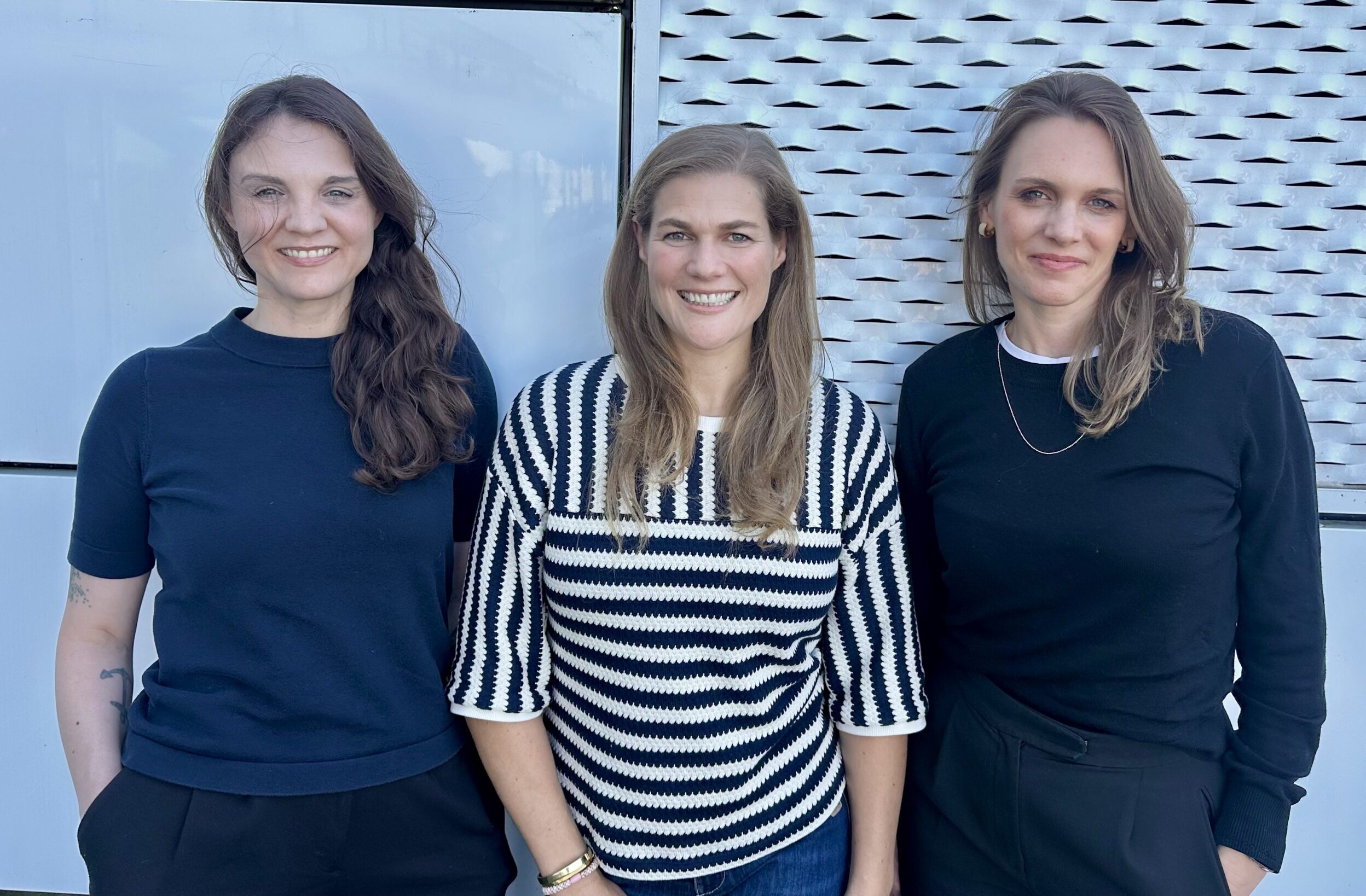
Finches Raises €2 Million Pre-Seed Funding for AI Early-Warning-System in Agricultural Sourcing
 zum Artikel
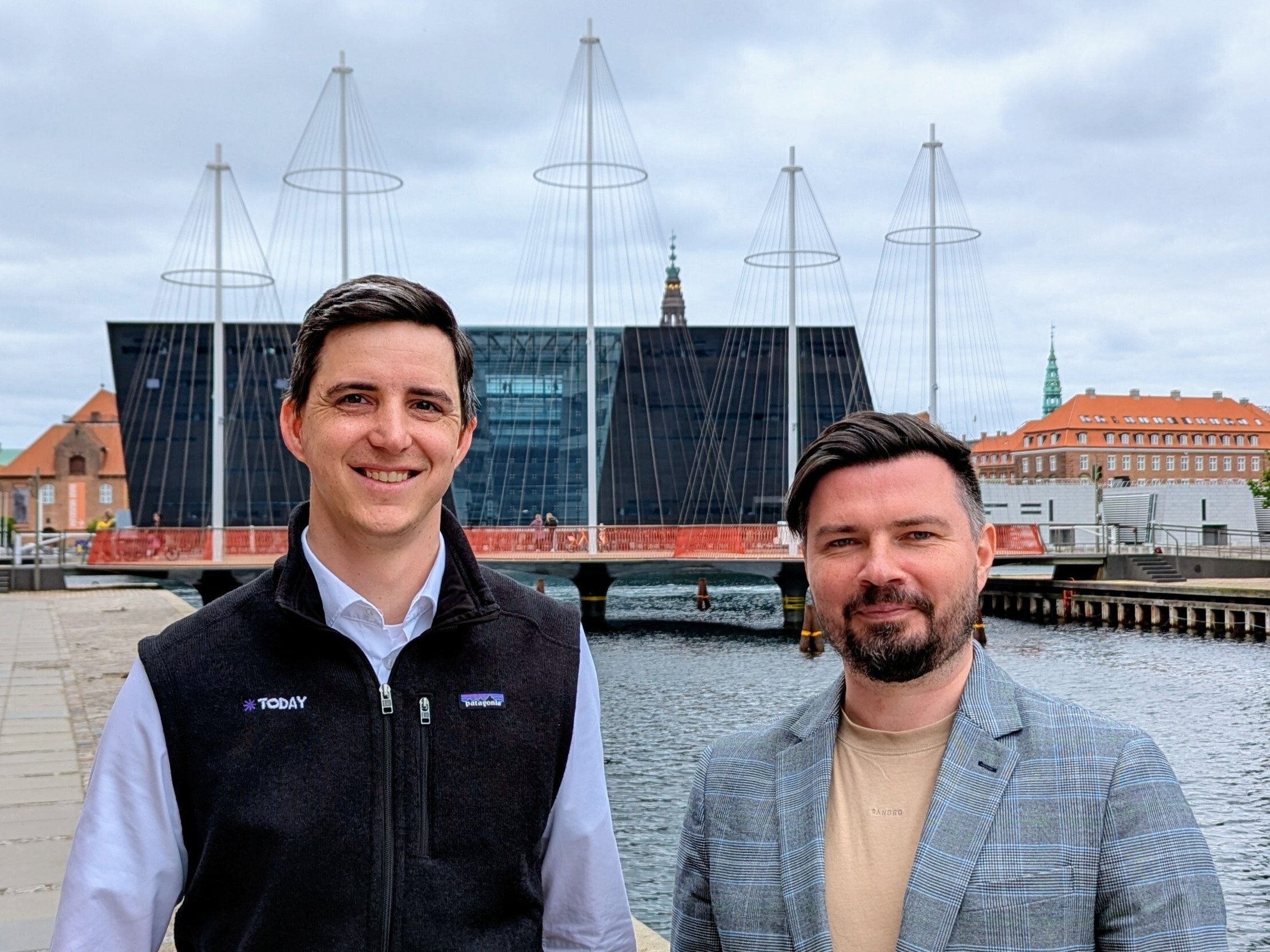
TODAY Secures €2.8M for its Agentic AI Platform that accelerates Financial Advisors’ growth with compliant agents.
 zum Artikel
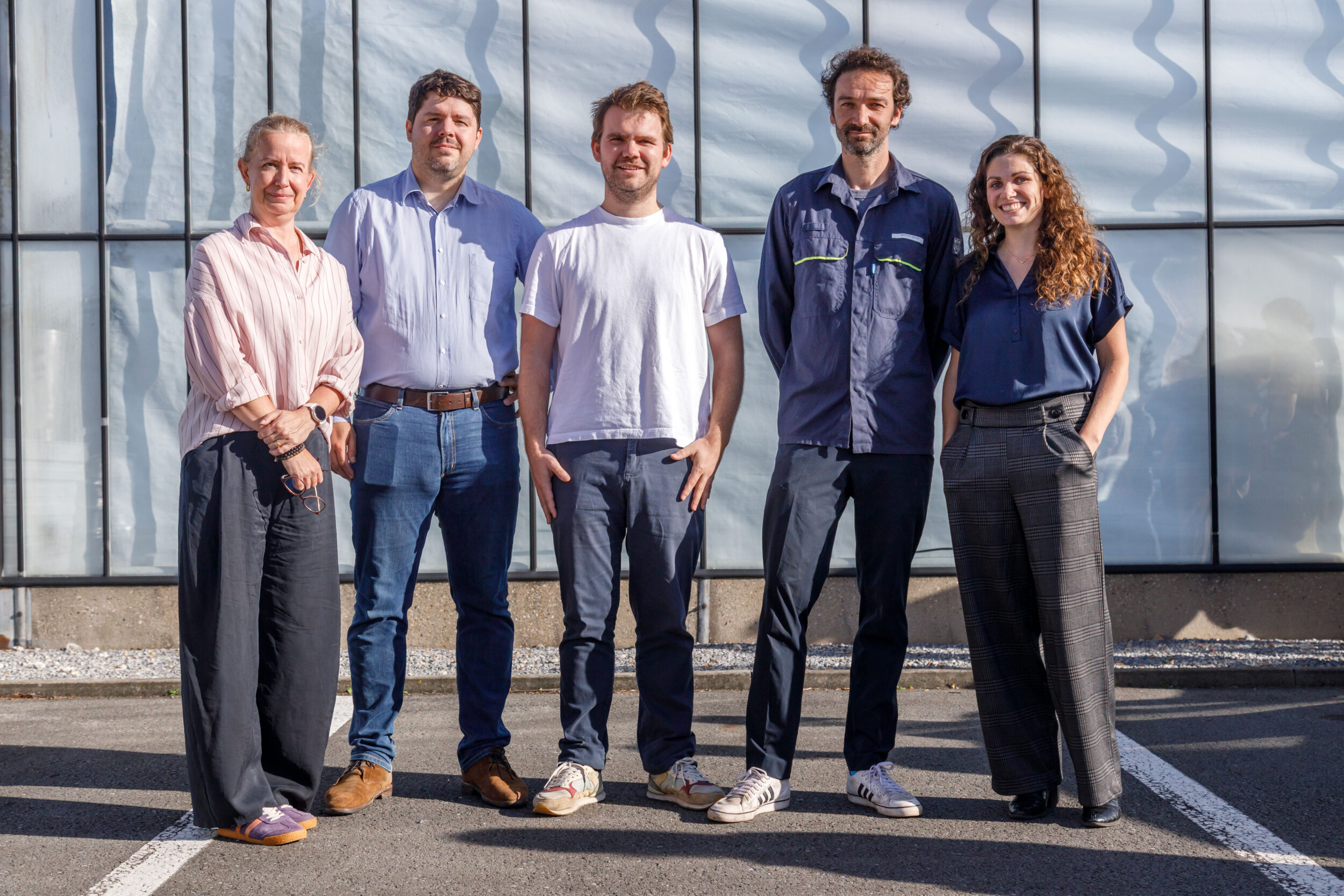
Zymofix to build flagship microbial manufacturing plant as it takes solid-state fermentation to industrial scale

 zum Artikel