Category: Story

  • findIQ: Knowledge management reimagined – in conversation with Sina 

    findIQ: Knowledge management reimagined – in conversation with Sina 

    findIQ: Knowledge management reimagined – in conversation with Sina 

    Industrial plants are becoming increasingly complex, while experienced specialists are becoming scarce. In the worst-case scenario, this knowledge gap can bring entire production lines to a standstill. This is where findIQ comes in. The startup’s mission is to make technical experts’ valuable knowledge available digitally, anytime, anywhere in the world and for any plant. We spoke to Sina, the co-founder and CEO of findIQ, about the company’s origins, her learning journey, and her plans for international expansion. 

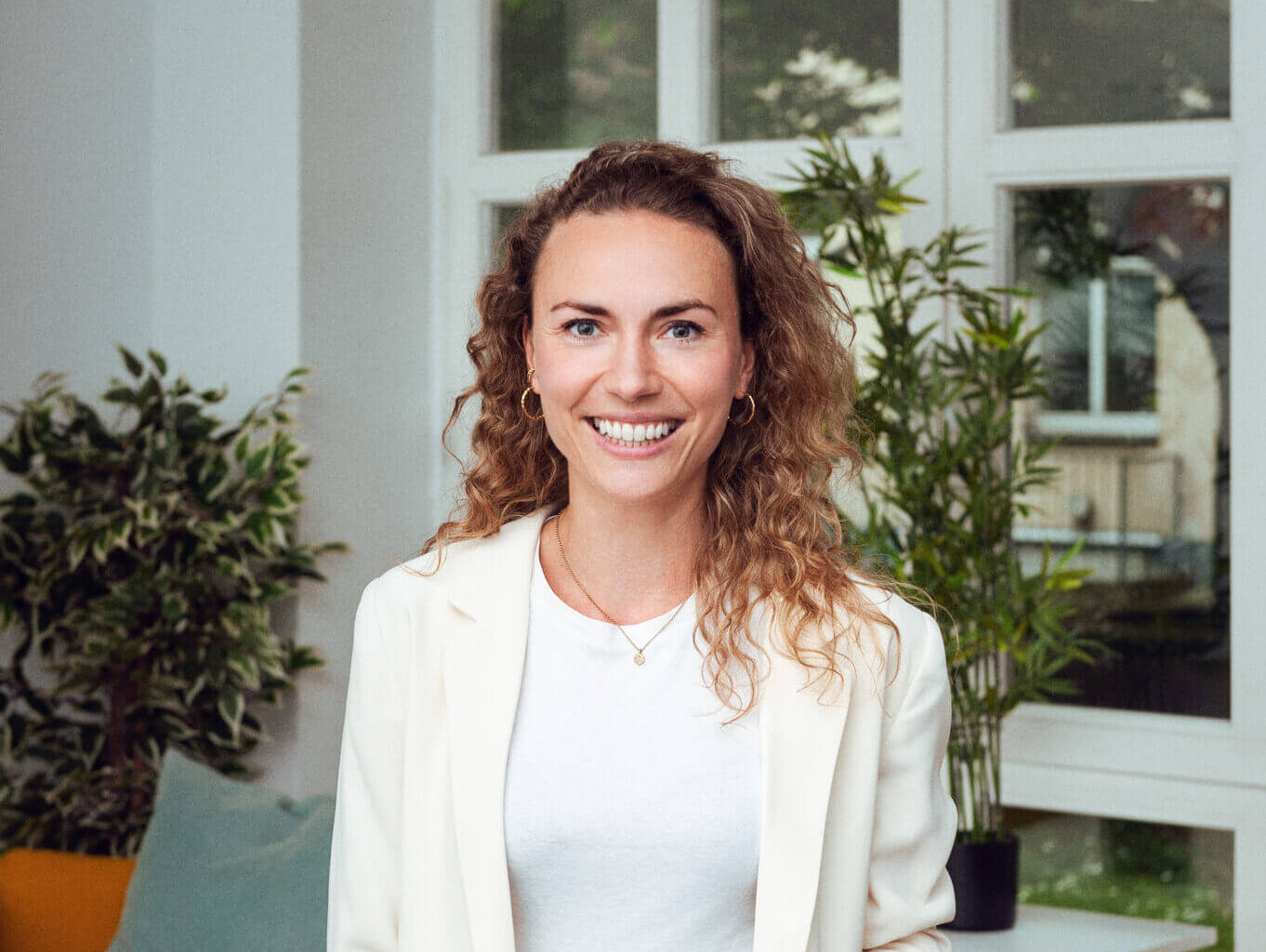
    Sina Volkmann, the co-founder and CEO of findIQ (Photo: findIQ)

    What was the motivation to found findIQ? 

    Sina: We are solving a real problem: the shortage of skilled workers in the technical sector. When we started, the problem was slightly different. During the pandemic, many technical experts in Germany were unable to travel, resulting in around 70% more downtime costs worldwide. This demonstrated the significant impact of experienced employees being unable to be on site to identify faults and resolve issues with machinery. 

    It was this realisation that motivated us to found the company. Initially, we wanted to tackle the problem head-on during the pandemic crisis, and we systematically investigated what a sustainable solution might look like. Our approach was pragmatic from the outset: understand the problem, find the right solution, and think long term. 

    Has the situation changed since? 

    Sina: Today, we are still facing the same challenge: there are too few technical specialists for increasingly complex systems. Added to this are trends such as demographic change, a shortage of skilled workers, and an increasing turnover of staff in technical professions. Our solution digitises the specialist knowledge of individual experts and makes it available at any time and in any location. This means that future generations will also be able to keep machines running, even if the necessary expertise is not available on site. 

    You have rethought knowledge management in machine servicing. What makes your solution different? 

    Sina: findIQ is an AI-based knowledge management platform for technical systems, but our approach is fundamentally different. A key point is our definition of knowledge. For us, it’s not just a collection of data and documents; it’s also experience — what is often stored in the minds of experienced technicians and not simply found in manuals. 

    Many AI models, such as large language models, are purely data-driven. While they can access huge amounts of explicit information, they often lack the deep, implicit knowledge that has been built up in practice over decades. This ‘head knowledge’ is crucial for putting data and documents into the right context, particularly with regard to complex machines in daily operation. From the outset, we have developed methods to digitise and secure precisely this knowledge. This is our first and most important USP. 

    A second important difference lies in how knowledge is managed. Many classic systems are simply filing systems. They store information once it has been entered, but then they become rigid and quickly outdated. This is insufficient in modern industry, where machines and production processes are constantly evolving. Our approach is dynamic: we view knowledge as an ongoing cycle that is continuously updated. Rather than working with language models, we map the logical thought patterns of experts. 

    How can you achieve this? 

    Sina: We integrate feedback directly into our system from machine operators, technicians, and service teams. This ensures that the data remains up to date and relevant for everyday use. Our independence from machine data gives us enormous flexibility. We can work globally and across industries without the need for complex integrations or specialised hardware adaptations. 

    The end result is a system that stores and keeps alive existing knowledge – a real competitive advantage in an industry where experience and efficiency determine success or stagnation. 

    What were your most important learnings in the initial phase? 

    Sina: One of the most important things I learnt was that our instincts are often the best compass, despite all the advice from outside sources. You start with a clear motivation and should always refer to it, especially when many stakeholders become involved. 

    Our customers have always been the most important source of feedback. We focused on doing more of what works and letting go of what doesn’t, even if that meant doing things in an unconventional way. 

    Another lesson we learned is that success doesn’t mean doing every step perfectly, but making continuous progress. Sometimes taking the next step in the right direction is enough instead of achieving perfection immediately. 

    Following your latest round of financing, what are the next steps on the agenda? 

    Sina: Internationalisation is a logical next step for us. Our customers, especially German machine manufacturers, export their products worldwide. Accordingly, we also have to think globally. 

    Our next target market is the USA, where the shortage of skilled workers is referred to as a ‘skills shortage’ or ‘labour shortage’. The demographic trend there is similar to that in Germany, only on a larger scale. Through our latest funding round, we aim to systematically access this market with the support of local partners and our own on-site staff. 

    We deliberately chose the USA because there is demand there and the cultural differences are manageable. It was also important to us to build on existing customer relationships and establish a foundation through early sales. 

    What advice would you give to founders who are just starting out? 

    Sina: Sina: Be aware that setting up a company is an all-consuming task! You need to learn to deal with resistance and accept that things won’t always run smoothly. Customer feedback is invaluable because it shows what actually works. Every step in the right direction counts. Not everything has to be perfect. 

    Thank you very much for your time and insights! 
  • Thinking digitally about school: How paddy wants to take the pressure off teachers

    Thinking digitally about school: How paddy wants to take the pressure off teachers

    Thinking digitally about school: How paddy wants to take the pressure off teachers

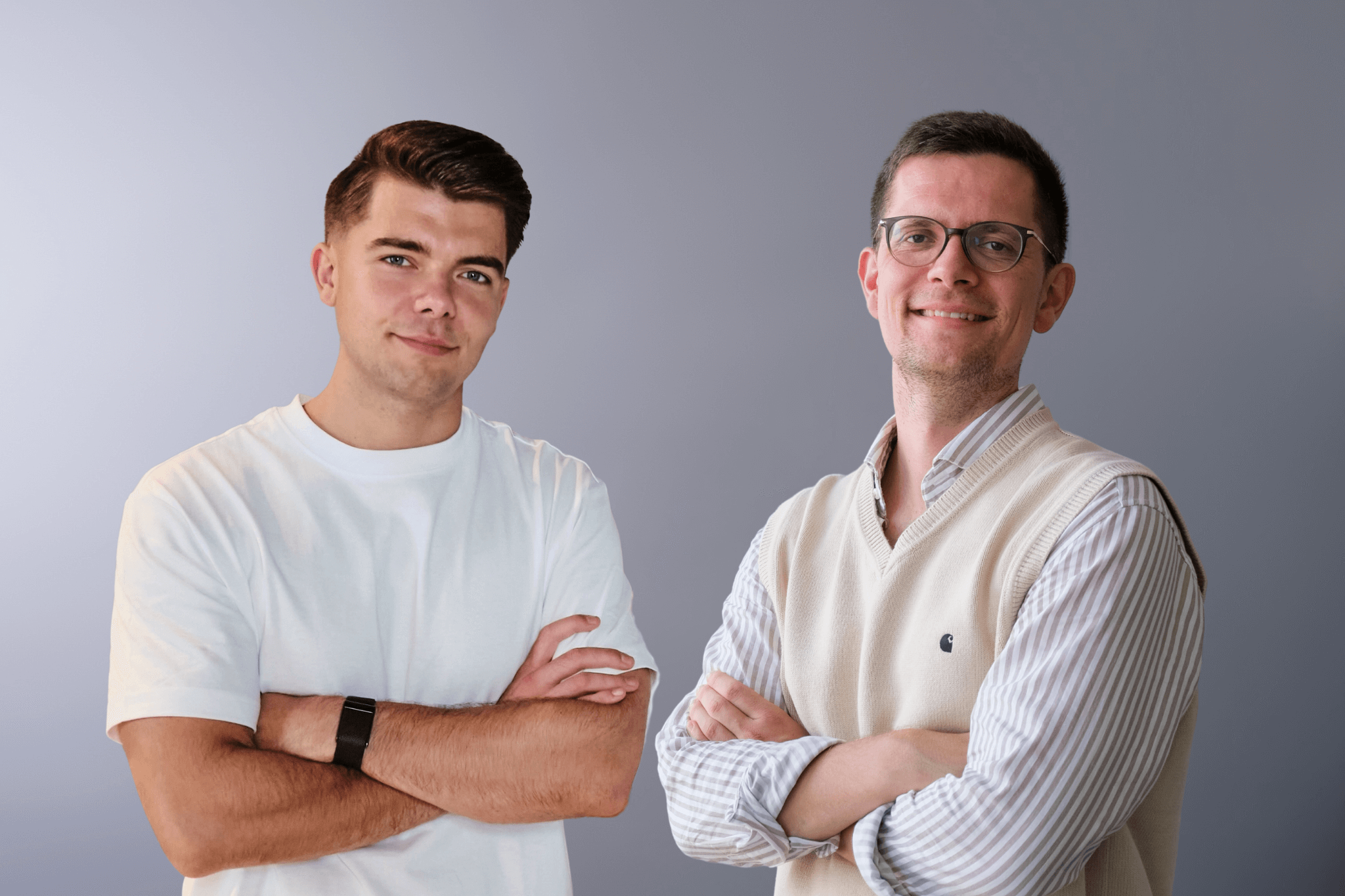
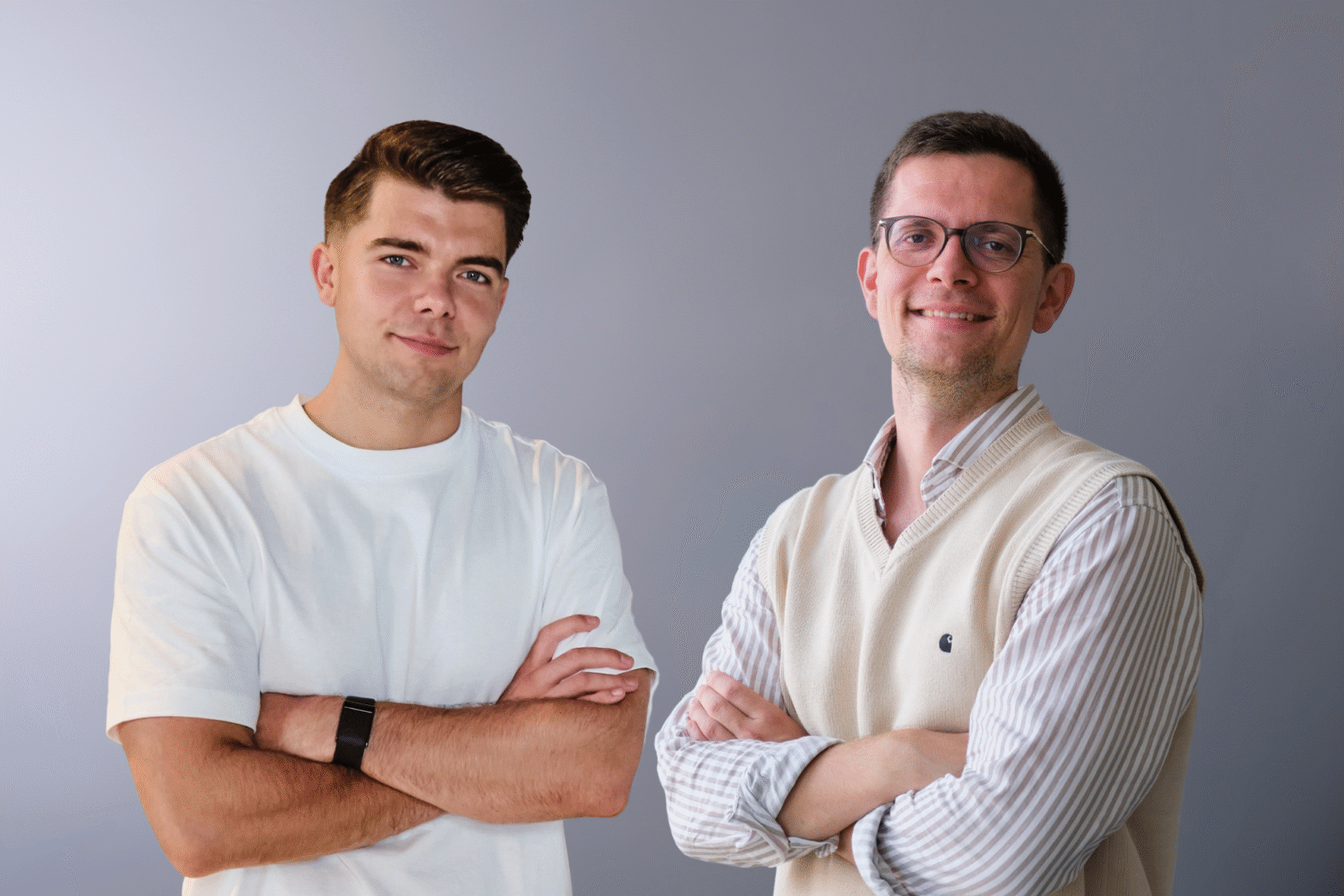
    The founders of paddy know the challenges of everyday school life from their own experience. From the perspective of former students and with deep insight into the pressures faced by teachers, Matty Frommann, Lukas Portmann and Tobias Schröder have developed an AI platform that saves teachers time and enables more individualised support. We talked to Matty and Felix Assion, Investment Manager at HTGF, about the beginnings of paddy, the market potential of EdTech and a vision for the school of the future.

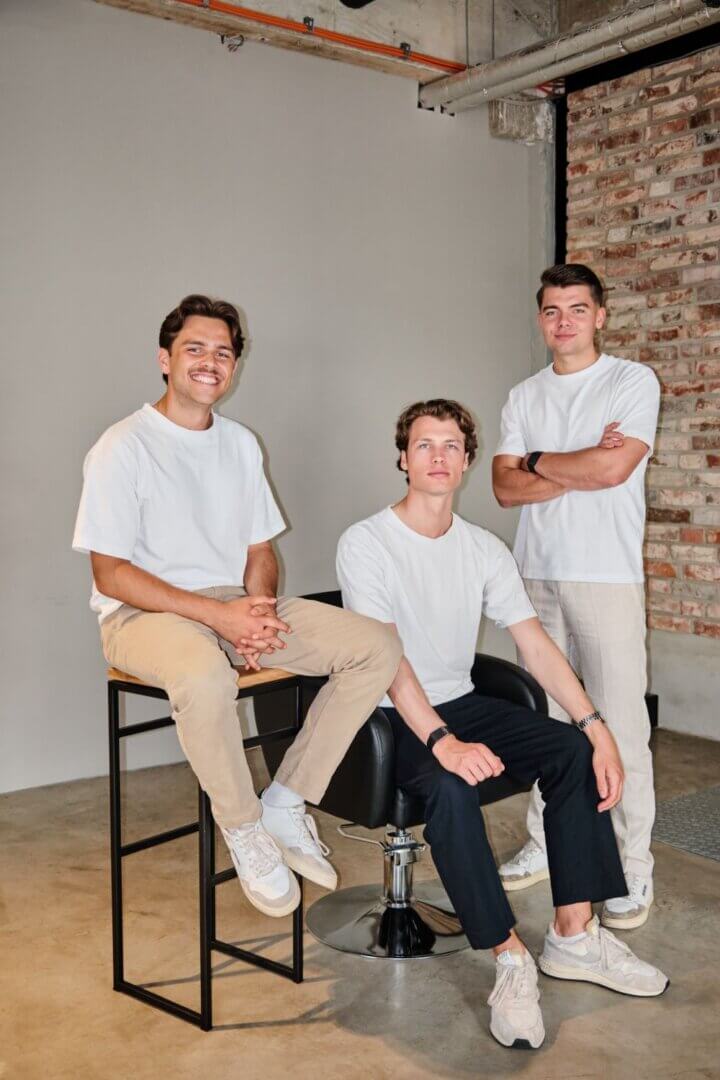
    Matty Frommann, CEO and co-founder of paddy, and Felix Assion, Investment Manager at HTGF

    Matty, how did you come up with the idea for paddy? Were there specific moments during your school days that made you realise, “Something is wrong here, we need to change this”?

    Matty Frommann: We actually started giving training courses for teachers when we were still at school. Most of us come from families of teachers. My co-founders’ parents are teachers, and so are some of my relatives. This meant that we were always aware of the challenges posed by digital media, but also issues such as workload and teacher shortages, especially during the coronavirus pandemic.

    Many teachers now downright hate the topic of digitalisation because they say it’s an add-on that doesn’t help them. The existing software doesn’t solve the actual problem – and that was basically the founding idea behind paddy.

    The pandemic was an accelerator. That’s exactly where we came in.

    How did you meet? What was your first impression, Felix, when you met Matty, Lukas and Tobias?

    Felix Assion: Matty had been in contact with HTGF for some time.  My first conversation with Matty was at the beginning of March, and shortly afterwards we had our first joint pitch round. My first impression was that Matty is extremely professional, already has a great deal of domain expertise in the EdTech sector and showed healthy self-confidence throughout the whole process. A little later, I visited the team in Bielefeld and noticed the energy the guys had and how much structure they had already built up, especially in areas such as sales and go-to-market. For me, this visit was a game-changer and I knew that I definitely wanted to make this deal happen. After that, our collaboration picked up speed.


    Matty, was it challenging to build trust, especially as young founders? Were there any reactions from teachers along the lines of, “What do they want to teach us?”

    Matty Frommann: At first, we had a healthy naivety that drove us forward. That was great for getting started, and even afterwards, we actually benefited from being so young. People always believed that we had experienced the pain points ourselves as students, that we weren’t far removed from the situation, and that we could increasingly connect the two target groups – teachers and students. That was more of a door opener.


    How do you see the market potential for paddy, Felix?

    Felix Assion: That’s not an easy topic. EdTech or education, especially when it has a B2G component, is a difficult field – particularly from a VC perspective. The big hype of the Corona years is over. Statistically, there has been a sharp decline in investments or investment volume in this area year over year since 2022. But if you look at the education market, it is similar in size to insurance, health or even mobility. Historically, the market has also been quite capital-efficient. The ratio between valuation and the capital required is very positive in the education sector. I believe that paddy has extremely good timing. Teachers have gained initial experience with AI tools and are realising that the perfect dedicated solution for them does not yet exist. At the same time, pressure on this professional group is increasing enormously, as recent studies – such as those by the German Bitkom[1] – show. Matty knows more about this, but it is only since the coronavirus pandemic that we have had a situation where the hardware equipment is virtually ideal for such business cases. This means that everything is actually coming together perfectly. Personally, I am therefore very bullish about the next few years with paddy.

    Matty Frommann: Historically, two types of EdTech cases have always worked well: either you go into a very niche market – for example, with a training platform for dentists – or you cover a wide range, such as with a cloud system for schools that everyone can benefit from.

    I believe that with paddy and AI in general, we now can combine both and tap into a huge market. Every teacher supports each student individually as best they can, while at the same time reaching the masses.

    What is your vision for schools in 10 years – and what role will paddy play in it?

    Matty Frommann: Digitalisation and digital tools that support teaching will be the absolute standard. We are finally managing to connect all areas – lesson preparation, implementation and follow-up, backed up by data – and offer every student an individual learning experience. That is exactly where paddy wants to position itself.

    I also believe that in 10 years’ time, we will be in a situation where technology will provide good answers to the foreseeable shortage of teachers and enable us to offer every student an individual learning experience.

    Matty Frommann (right) with his co-founders.


    What advice would you give to young founders? Are there any particular hurdles in the EdTech sector?

    Felix Assion: In EdTech, perhaps more than anywhere else, having a great product just isn’t enough.

    From an early stage, including in fundraising, you realise that the focus is shifting towards distribution, sales and go-to-market, and that you are expected to have experience and a clear strategy from the outset. This is why I advise teams to spend more time on this than they would in other industries, where an MVP and a pitch deck are often sufficient.

    Saying that Paddy “raised €1 million in six months” is only half the story – there’s usually a long phase beforehand where the business model and dynamics have to be developed, and where schools and teachers have to be understood.

    Once you’ve reached that point as a team and are ready for financing, you should take the time to research which investors are a good fit. What added value can help us beyond capital? There aren’t many investors who can offer this, but I think the team solved this issue very well in the end.

    All of that was part of the journey. So my main piece of advice would be: take your time, build structures – and that doesn’t just apply to the product itself.

    Matty Frommann: My advice: focus everything on sales, start as many test pilots as possible and – very important in the EdTech sector – acquire paying customers. That should be the core objective. Marketing becomes exciting when you scale up to a critical mass of customers and establish various channels. But the most important thing is the first 50 customers. We also started with our first 50 paddy customers – and that didn’t happen in two months. It took years to find the right contacts, be represented on the relevant committees, attend the right networking events and understand the market.

    Thank you very much for your time and insights!

    [1] “50% of teachers have used AI for School” Bitkom Research (German) – Bereits jede zweite Lehrkraft hat KI für die Schule genutzt | Bitkom Research

  • Interview with Proxima Fusion’s Francesco Sciortino 

    Interview with Proxima Fusion’s Francesco Sciortino 

    Making commercial fusion a reality: An Interview with Proxima Fusion’s Francesco Sciortino 

    HTGF portfolio company Proxima Fusion recently raised €130 million in Series A funding to bring commercial fusion energy closer to reality.

    We sat down with CEO and Co-founder Francesco Sciortino to discuss what this milestone means for the team, the promise of their Stellaris reactor, their journey from research to startup, the potential impact of their “Alpha” demonstration system, and his advice for other deep-tech founders facing major challenges. 

    Congratulations on your successful funding round! What does this milestone mean for you as a team, and how will it affect your future goals? 

    This means that we have the validation of both our approach and the team we have built. Working with the Max Planck Society in Germany and our simulation-driven engineering approach have proven successful. 

    We have moved faster than we thought was possible, delivering the Stellaris design and magnet technology in the lab. We have now secured financing to go full steam ahead with our hardware milestones. We are now the largest stellarator-based fusion company on the planet. We have raised as much money as all our stellarator competitors combined. We now have no excuse but to deliver. 

    Can you walk us through the technological foundation behind your approach with Stellaris? 

    So, the general category of devices that we work on is magnetic confinement fusion. This includes both tokamaks and stellarators, but also other subcategories. I have a background in tokamak physics. Tokamaks are the most conventional of the magnetic confinement fusion approaches. They are magnet systems that look like doughnuts, where you try to confine hot, ionized matter in helically twisting magnetic fields. 

    Stellarators are very similar. In fact, you could say that a tokamak is a special type of stellarator. However, for the longest time, stellarators were blocked on the physics side. But in 2022, the Wendelstein 7-X stellarator at the Max Planck Society in Germany met its major design targets, and we now know that stellarators can be built and that we can design new stellarators to be power plants rather than just science experiments. Proxima Fusion spun out of the Max Planck in early 2023, to bring stellarators to commercialization. As stellarators have been getting more and more attention, there are now eight stellarator companies worldwide. 

    How is Proxima Fusion’s approach different from others in the fusion space, and what are you ultimately aiming to achieve? 

    All of these stellarator startups are still relatively small compared to the largest tokamak company in the world: Commonwealth Fusion Systems, or CFS for short. CFS has raised more than $2 billion, and they are very good at what they are doing. They are trying to build a tokamak that makes energy with the same kind of superconducting magnet technology that Proxima is working on. We agree on lots of things between tokamaks and stellarators. The physics basis is the same, but the biggest difference is that well-designed stellarators can work in continuous operation, and they can be completely stable.

    That is the moon shot within the moon shot we are making with Proxima. Our goal is not to design something that creates energy for a short time, just a fancy flash of light powered by fusion. Instead, we are actually trying to build a power plant.

    There are around 60 fusion companies right now, companies that actually aim to make reactors, and out of these, approx. 10 fusion startups have raised €100 million or more. We are now in a race to build the net energy device on our path to the first fusion power plant in the world. Let’s see who succeeds!  

    Francesco Sciortino, CEO and Co-founder of Proxima Fusion (Photo: Proxima Fusion)

    What was the journey from research to independent startup like? What were the most important insights that you and your team gained along the way? 

    We started out as physicists researching tokamaks and stellarators. Our co-founder Martin Kubie has a background in mechanical engineering and has worked at Google X. Spinning out from the Max Planck Institute for Plasma Physics, we had to adapt and create a new way of working with a more engineering-centric perspective and a greater focus on simulation in order to enable faster iteration. Iteration speed is everything. You cannot iterate on building a whole stellarator, it is too big, so you cannot iterate on full scale hardware integration, but you can integrate on the large system in software. To do so, you have to work on a fusion concept that is experimentally validated. Otherwise, if you do not trust your models, then you can iterate as fast as you want, but they are going to be continuously wrong. For us, the enabler was to recognize that stellarators now have a much more mature physics basis than just a few years ago.  

    As a spin-off from Max Planck Society, we have always been big believers in public-private partnerships and the importance of working together. It is not necessarily simple. We are two very different organizations, but the important thing has always been the mission-driven mindset and finding the common ground to get this thing to lift off at all. And I think something we Europeans still need to hone is the ability to increasingly translate theoretical research into operations into practical engineering. 

    We learned that hiring is very hard, but also the most important thing: Finding the right people is everything. The quality of the founding team is a big indicator of what is to come. But the only thing that really matters is whether you know how to hire people better than yourself, and that we have arguably done well. Perhaps that is the one thing that was not quite clear in the very early days, but somehow, we have picked up speed very quickly. 

    Your demonstration system “Alpha” is planned to start operations in 2031 and then produce more energy than it consumes. Why is it such a critical step toward commercial fusion energy? 

    The demonstration system that we call Alpha is an energy-producing device. The process of the stars down on Earth. It is a demonstration and not a power plant yet, but Alpha is designed to be the last thing we will ever need to build before we construct a power plant. 

    We believe it is the right kind of device for a fusion power plant, which is operating continuously and is fully stable. That is the sweet sauce of Proxima: If we get Alpha done, Proxima might be one of the most valuable companies on the planet. But that is proportional to the value of the market and it is generally related to the need for clean, safe and abundant energy. The reason why we have been chasing fusion for a good part of 70 years is that there is fundamentally nothing else quite like it. We are talking about burning heavy forms of hydrogen on a nuclear level, so joining light nuclei, heavy forms of hydrogen, not like uranium, plutonium and so on. They are at opposite ends of the periodic table. We are at the simplest part of the periodic table. Most of the universe is made up of hydrogen. The fuel is nearly infinite.  

    Team of Proxima Fusion (Photo: Proxima Fusion)

    How could fusion energy — and Alpha in particular — impact the planet, society, and the way we think about energy? 

    One bottle of this heavy hydrogen fuel could power Munich for a week. Just one spoonful of this fuel is equivalent to 13 tons of coal. This is certain, this is not a theory. We can do this at a small scale in the lab. We know that the sun is burning in this way. This is simply how the universe is powered. The question is: can we make it cheap enough? And can we build these power plants fast enough? That is what will determine the future. It is not a physics proof of principle. What we need is an engineering and commercial proof of principle.  

    Germany is facing an energy crisis, and Europe is facing a technology sovereignty crisis. There has never really been a better time to think about this massive scaling of fusion systems similar to the way France scaled their energy system around fission in the 1970s. If we want fusion to account for 20–30% of the world’s energy production, and we need to act quickly to have an impact on the climate over the next few decades, then we need to consider how to build 1,000 power plants fast. That means we need to think of a system that can scale. 

    What advice would you give to other deep-tech founders tackling major technological challenges? 

    No egos allowed, you need a mission-first mindset. You need to be fully aware of why you are dedicating so much of your life to something. We could all be doing things that pay better or allow more free time. We are here out of choice and the mission is worth a significant chunk of your life, so this must be clear to the founders. 

    Thanks so much for the interesting insights!  

  • Deep-Tech Matrix

    Deep-Tech Matrix

    HTGF Deep-Tech Matrix: Navigating the Growth Path of Technology-Driven Startups

    Deep-tech companies develop technologies that can transform entire industries. That makes them exciting – especially for investors. Yet many startups struggle to clearly explain their potential.

    Often, what’s missing is a consistent and compelling story. HTGF experts Dr. Gernot Berger, Dr. Olaf Joeressen, and Yann Fiebig have tackled this challenge. In a recent paper, they outline what really matters for deep-tech startups – and present a practical tool to help: the HTGF Deep-Tech Matrix. 

    Deep tech stands for innovation rooted in science and engineering. Whether it’s AI, robotics, new materials, or biotech – deep-tech startups aren’t solving small, everyday problems. They tackle major societal and industrial challenges. The current momentum in deep tech is more than a trend. For many, it represents hope – hope that we can keep innovating at a high level. And for investors, it’s an opportunity to support radical change with the potential for significant returns. 

    The Deep-Tech Disconnect: why great tech alone is not enough to convince investors 

    Despite their promise, many deep-tech founders face a tough reality: investors hesitate. It’s not about quality or potential – it’s about a mismatch in expectations. This gap is called the deep-tech disconnect. It refers to the structural difference between how tech-heavy companies evolve and how most VC investors think. 

    Investment models of the past two decades have been shaped by software startups: fast Minimal Viable Products (MVPs), early user feedback, and low capital requirements. Deep tech doesn’t follow that path. These companies need years to develop, require substantial funding, and only reach market readiness much later. 

    That’s why deep-tech startups need a different kind of pitch – a well-crafted equity story. It has to go beyond standard slides and metrics. It must clearly define a big, unsolved customer problem. It must show why a scientific or technological breakthrough is the right – or only – way to solve it. And it must explain why this specific team is the one that can turn the idea into a product. A convincing story makes the technology tangible: with patents, deep expertise, and a realistic roadmap that connects lab to market. 

    The HTGF Deep-Tech Matrix: Navigating a Complex Journey 

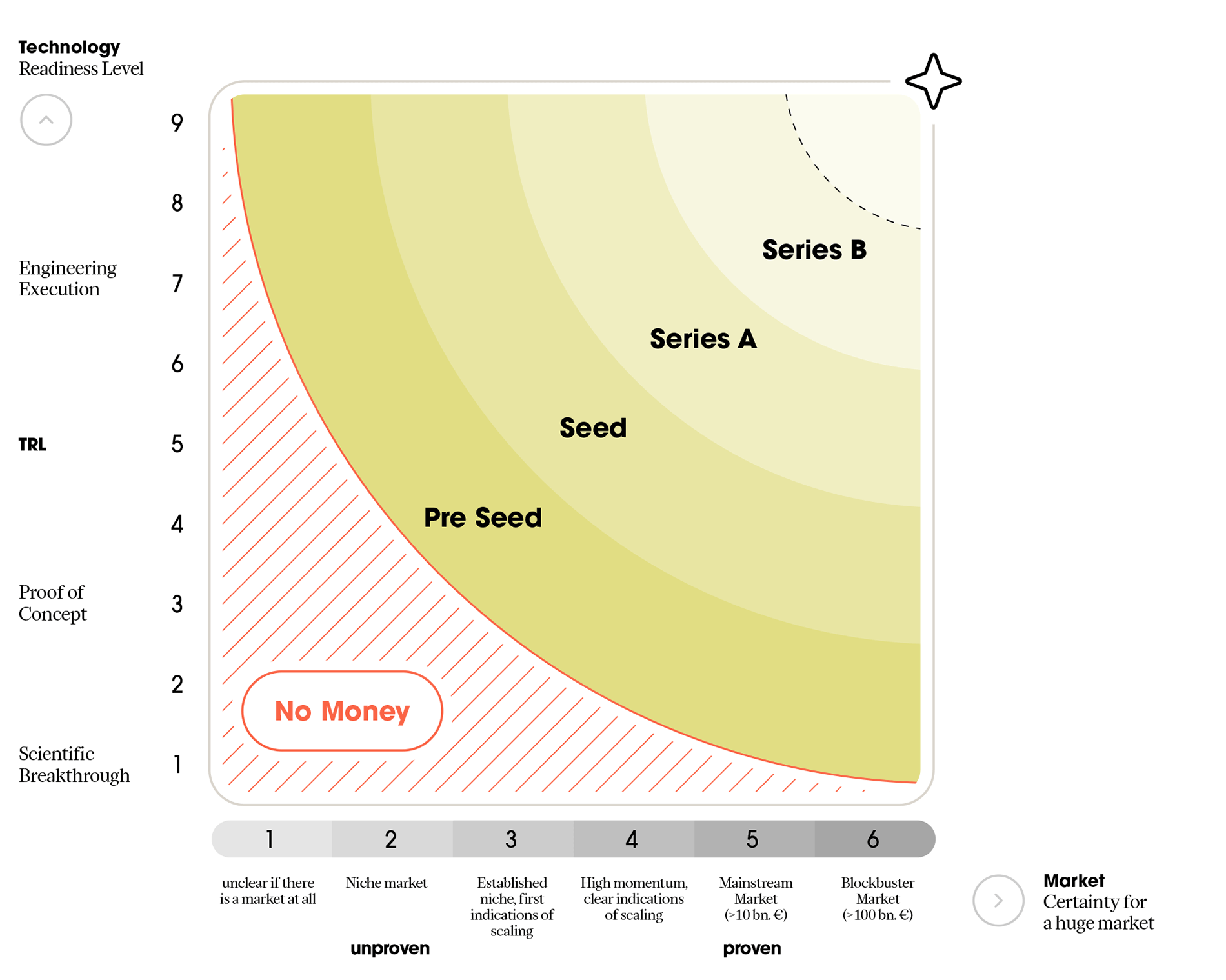
    So how do you describe a startup’s progress if it’s not measured in revenue or MVPs? That’s where the HTGF Deep-Tech Matrix comes in. It’s a hands-on tool to plan, explain, and communicate the path from scientific idea to scalable business. It helps founders build a clear equity story – and creates a shared language between them and investors. 

    The matrix is based on two key dimensions: technology readiness and certainty for a huge market. Tech readiness is assessed using standard TRL scales – from early research (TRL 1–2) to proof-of-concept (3–4) to market-ready solutions (8–9). Successful founders know where they are, what comes next, and what they can already show. 

    The second dimension – the market – is often underestimated. But for fundraising, it’s crucial. Is the market proven? Is there strong growth potential? Is the problem clearly defined and validated by real customer demand? The matrix helps assess these questions, too. 

    Each cell in the matrix represents a unique combination of technology and market maturity. Ideally, a startup moves step by step to the top right corner – a scalable product in a large, validated market. Along the way, typical phases can be identified: from early concepts with no clear market (“No Money Land”) to Pre-Seed, Seed, Series A and B – where scalability and repeatable revenue come into focus. 

    Putting the Matrix to Work 

    An example from the field of engineering simulation illustrates how the matrix can be applied in practice. The company developed an early cloud-based prototype aimed at a previously underserved target group: engineers without access to traditional, high-cost CAD tools. While the technological feasibility was promising, the market potential had not yet been validated. The company’s development began at a medium technology readiness level and in a market environment that was still largely unexplored. 

    What proved decisive was a clearly defined go-to-market strategy, combined with systematic product management and increasing customer engagement. This allowed the company to make continuous progress toward scalability. A coherent and well-structured equity story – one that connected the customer problem, the unique technological approach, and the commercial roadmap – played a central role in gaining investor confidence and securing funding for further growth. 

    Conclusion: Building a Shared Understanding from Day One 

    The HTGF Deep-Tech Matrix is more than just an analysis tool – it’s a compass. It helps founders structure their story, define key milestones, and communicate their journey. It also creates mutual understanding between startups and investors – with shared expectations, clear language, and realistic planning. 

    For investors, the matrix provides clarity: what tech maturity and market development are realistic at each funding stage? It turns uncertainty into informed decisions. In short: the Deep-Tech Matrix brings structure to complex ventures – and lays the foundation for successful fundraising and sustainable growth. Because even the next deep-tech unicorn starts with a well-told story. 

    Discover the Framework Behind Successful Deep Tech Growth

    Whether you’re a founder, investor, or ecosystem stakeholder, the HTGF Deep-Tech-Matrix offers a clear, strategic model for planning and evaluating deep tech equity stories. Learn how to align technological maturity with market potential, identify critical value inflection points, and foster a shared understanding between startups and investors.

  • Navigating Turbulent Times: Practical Advice for Startups

    Navigating Turbulent Times: Practical Advice for Startups

    Navigating Turbulent Times: Practical Advice for Startups

    Despite initial signs of recovery, times are still challenging for startups.

    We spoke with experts from HTGF about two major current challenges: How can startups best access capital? And how can they operate internationally in uncertain environments?

    From left: Dr. Tanja Emmerling, Partner at HTGF and Dr Markus Kückelhaus, Partner at HTGF (Photo: HTGF)

    “Startups need to understand what the other side really needs” – Dr. Markus Kückelhaus, partner in the Industrial Tech division, on opportunities, financing, and partnerships.

    What current opportunities and challenges do you see for startups in 2025?

    Dr. Markus Kückelhaus: We are fundamentally optimistic about 2025. On the one hand, the number of startups is rising again, as the latest numbers from the startupdetector report show. On the other hand, German VCs have a lot of dry powder: nine billion euros that still needs to be invested. At the same time, there is a backlog in the late-stage sector, which could open up a new IPO window.

    The macroeconomic environment remains challenging: the ongoing customs dispute, inflation concerns, and potentially rising interest rates – even if they are still low at present.

    Which aspects are particularly relevant for financing startups at the moment?

    Dr. Markus Kückelhaus: Startups should understand the dynamics of the individual financing phases very clearly. Looking at the number of deals or valuations, the level appears stable, and in some cases even growing. Nevertheless, follow-up financing in the late stages remains challenging. Agility is more crucial than ever here. Especially if you are not operating in a very promising field such as AI, approaching investors is very time-consuming – it requires a lot of discussions.

    Deep tech startups in particular – or companies in general that have not yet generated any revenue over a period of years – need to think early on about what other financing options they can use. Apart from traditional venture capital, public funding or other non-dilutive financing options are essential in order to have sufficient capital available in the long term and to be able to realize the long development cycles.

    What is important when startups want to cooperate with companies?

    Dr. Markus Kückelhaus: Cooperation with companies is always relevant from a market perspective. It’s not just about getting funding, but above all about asserting yourself in the market. We therefore advise startups to focus on finding the right product-market fit at an early stage. Purely strategic and financial partnerships have become less common. Some corporate VCs have even ceased their activities altogether—the current environment makes it more difficult for startups to rely on such constellations.

    Startups should always make a clear distinction: What does the other side actually need? Is it about technologies that need to be ready for use in the short term—which tends to favor classic customer-supplier relationships? Or is the company looking for a long-term development partnership, as is the case with many pharmaceutical companies? Recognizing these differences allows you to tailor your offering more precisely and cooperate more effectively.

    “Startups need to think more geopolitically resiliently – without closing themselves off” – Dr. Tanja Emmerling, Partner for Digital Tech, on international strategy in times of crisis.

    Which startups are currently particularly affected?

    Dr. Tanja Emmerling: Geopolitical uncertainties such as the customs dispute with the US and global supply chain risks are no longer just affecting traditional exporters. Startups in the deep tech, green tech, and AI sectors are also feeling increasing pressure, whether from regulatory hurdles, strategic dependencies, or more volatile financing conditions. What’s more, anyone who relies on international B2B customers or complex value chains will quickly be caught up in indirect effects. In this situation, startups need to keep a close eye on their cash flow. Liquidity gives them the flexibility to respond to change – and in times of crisis, that’s more important than growth at any price.

    What advice would you give founders if access to the US market becomes more difficult?

    Dr. Tanja Emmerling: The US market remains attractive, but you should prepare yourself for a new reality: higher regulatory requirements, political volatility, and potential investment hurdles. Startups should build up local expertise early on – ideally through partners, advisors, or their own structures on the ground. Today, a smart internationalization strategy means thinking about geopolitical resilience: Which alternative markets can I develop without putting all my eggs in one basket? Which alliances or strategic partnerships will help me remain flexible? And how can I structure my value creation so that I remain capable of acting even in times of tension?

    What strategies will help Europe?

    Dr Tanja Emmerling: Think EU – not just US: Now more than ever, it is worth looking inward. The EU is more than just regulation – it offers a growing innovation ecosystem, reliable funding instruments such as the European Innovation Council and IPCEI, and opportunities for sustainable positioning. Those who consider European supply chains and sales markets at an early stage will strengthen their strategic resilience. What’s more, Europe needs its own solutions. Products that respond to regional diversity in terms of language, data protection, and user needs create real added value. In times of crisis, focus, rapid response, agility, and close customer relationships are what count. Those who take these principles seriously can develop Europe into a genuine home market – not just as a place of retreat, but as a starting point for new strength.

  • Bridging Worlds: How Corporates and Startups Drive Innovation Together – A Conversation with Jens Busse 

    Bridging Worlds: How Corporates and Startups Drive Innovation Together – A Conversation with Jens Busse 

    Bridging Worlds: How Corporates and Startups Drive Innovation Together – A Conversation with Jens Busse 

    Innovation needs fresh ideas and the courage to change. For established companies, staying ahead means tapping into new thinking and agility — and startups bring exactly that. But how can large organizations and young companies work together effectively? 

    Jens Busse, Investment Director at Evonik Venture Capital, explains how partnerships with startups succeed, what both sides gain, and how to tackle common challenges. 

    Why do you think closer cooperation between established companies and startups is essential for sustainable growth?

    Close collaboration between established companies and startups promotes synergies that increase innovation and flexibility. Startups bring fresh ideas and technologies to the table, while established companies have resources and market knowledge. This combination enables faster market launches and better adaptation to market changes.

    What are the specific benefits for companies that invest in or collaborate with start-ups?

    Companies benefit from access to innovation, expansion of their product portfolio, market share gains, and an improved innovation culture. They can also minimize risks by testing new technologies without bearing the full risk of their own developments.

    What challenges arise when integrating start-up innovations into existing corporate structures, and how can these be overcome?

    Challenges include cultural differences, complex processes, and technological incompatibilities. These can be overcome through open communication, agile methods, and early development of shared technical infrastructures. Clear strategies for resource allocation are also crucial.

  • Looking back on Family Day 2025

    Looking back on Family Day 2025

    Looking back on HTGF Family Day 2025: An anniversary of innovation and cooperation

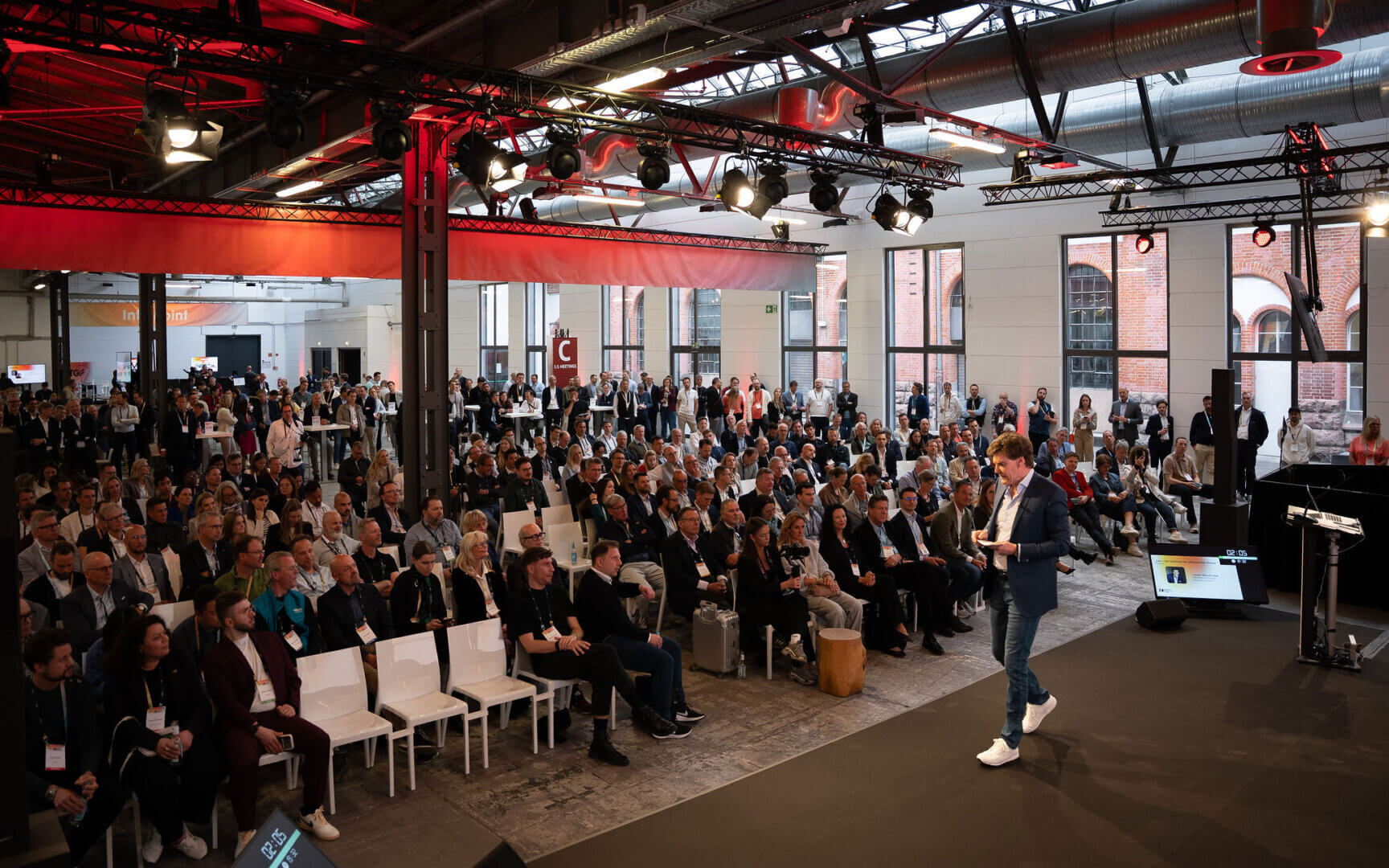
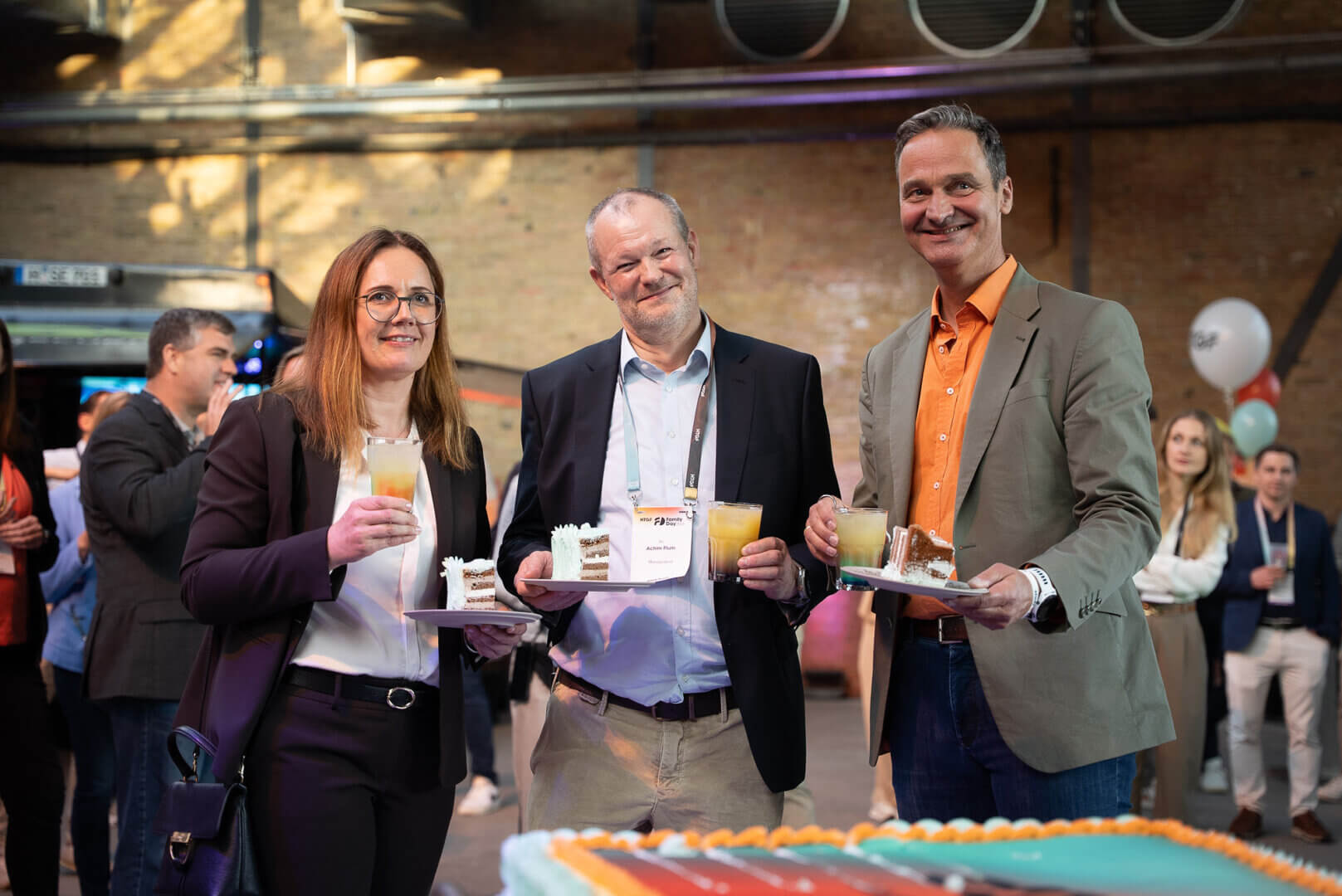
    HTGF Family Day 2025 was a resounding success – two days packed with inspiring talks, lively discussions and valuable networking opportunities. The event kicked off with Networking Night on Monday: Following the opening by Managing Directors Romy Schnelle, Dr Alex von Frankenberg and Dr Achim Plum, Carsten Maschmeyer gave a rousing keynote speech on the topic of sales.

    This was followed by moderated panel discussions on forward-looking topics such as artificial intelligence, New Space and the ‘DNA of Unicorns’. In addition, there were numerous direct discussions between investors, start-ups and other players in the start-up ecosystem.

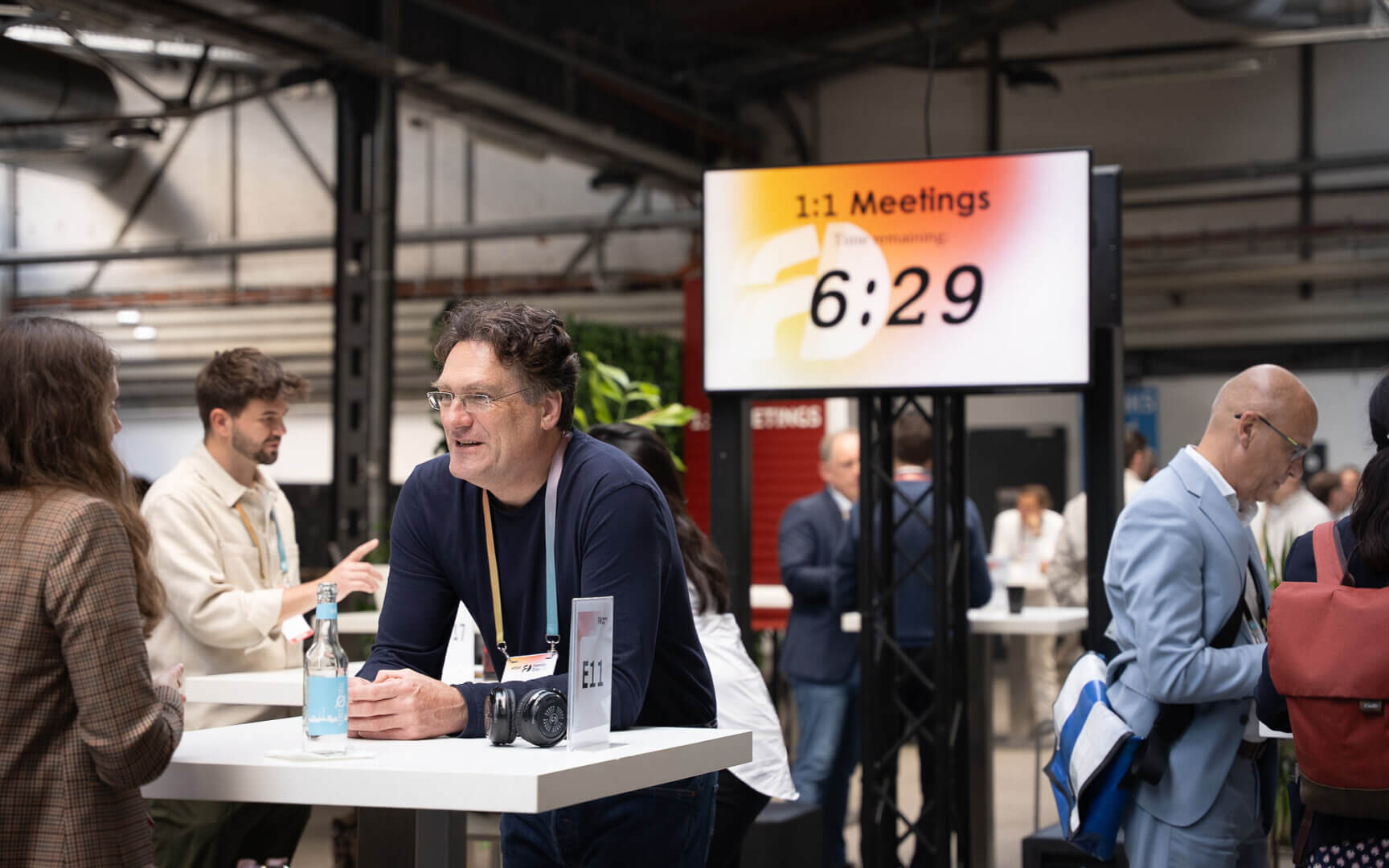
    On Tuesday, Gitta Connemann, Parliamentary State Secretary at the Federal Ministry for Economic Affairs and Climate Action, offered valuable insights into German start-up policy. The second day of the event offered a packed programme: 40 pitches, 12 panels and numerous keynote speeches provided plenty of input and opportunities for exchange. In total, almost 5,000 direct conversations were arranged between participants. The grand finale: the birthday bash celebrating the HTGF’s 20th anniversary.

    A big thank you to everyone who contributed to the success of the HTGF Family Day – the speakers, panellists, participants and the entire HTGF team. Family Day 2025 has once again shown how important innovation, exchange and cooperation are for a successful future.

    We are already looking forward to the next event on 11 and 12 May 2026 in Berlin!

    Photos & Video: Dominik Tryba, Introduce Productions

  • Interview Florian Nöll, PwC

    Interview Florian Nöll, PwC

    Driving growth from within – How established companies can benefit from start-ups

    A breath of fresh air can do wonders – and not just in the outdoors. It wakes you up, clears your head, and also inspires you to try new things. Things that give us a boost – new ideas, change and new beginnings – can also do the same for companies. But where does this breath of fresh air come from? In many cases, it’s start-ups that are shaking up established structures.

    We sat down for a chat with Florian Nöll, Partner and Global Venturing & EMEA Startups, Scaleups Leader at PwC Germany, to learn about how corporates and medium-sized companies can get the best out of collaborating with young companies – and why it’s a win-win situation for both sides.

    Florian Nöll, Partner and Global Venturing & EMEA Startups, Scaleups Leader at PwC Germany (Photo: PwC)

    Why do you feel closer collaboration between established companies and start-ups is essential for sustainable growth?

    Start-ups tend to be more agile and innovative, providing major corporates and medium-sized companies with dynamic insights. On the one hand, the synergies that arise enable established companies to leverage fresh ideas and technologies to boost their competitiveness. On the other hand, collaboration gives start-ups access to resources and networks that propel their own growth. It really is a win-win situation that strengthens Germany’s economy overall, as well as the local ecosystem. It therefore comes as no surprise that the latest data from industry association Bitkom shows that 32% of companies already have at least one collaboration project with start-ups, with 98% of them reporting that their expectations have been met or even exceeded.

    What are the concrete benefits for companies that invest in or work together with start-ups?

    Companies looking to team up with start-ups stand to benefit from innovative solutions and technologies that can accelerate their product development efforts. These partnerships or investments also enable them to tap new markets. A recent Bitkom survey revealed that 11% of companies are developing new products or services with start-ups, that 3% hold financial stakes in the start-ups, and that 2% have founded their own start-ups from within the company. They thus become more innovative, which in turn helps to improve customer loyalty while also strengthening their corporate image as an innovator on the market.

    What challenges arise when integrating start-up innovations into existing corporate structures, and how can they be overcome?

    When integrating start-up solutions into established companies, innovation teams often encounter structural barriers – particularly in the areas of legal and IT, as well as in works council negotiations. The way to overcome these challenges varies greatly from company to company, of course. That said, our experience has shown that transparent communication and interdisciplinary teams that can work together flexibly are essential aspects to successfully navigating these challenges. And that’s something we have in fact achieved in over 80% of the last 100 projects we’ve worked on, giving rise to sustainable collaborations.

  • A conversation with Nora Blum

    A conversation with Nora Blum

    Take it easy and show respect to others: how start-ups can benefit from radical friendliness – a conversation with Nora Blum

    Nora Blum is a psychologist and co-founder of Selfapy, a digital therapy platform that supports people suffering from mental illnesses.

    The digital health start-up was recently acquired by HTGF fund investor MEDICE. Her new book is focused on radical friendliness – a notion rarely associated with tough business strategies. In this interview, Nora talks about how mutual respect and authentic values can make a difference, particularly in the early stages of starting a company.

    Nora, in your book you talk about how “radical friendliness” not only helps people to succeed in their private lives, but also in a business context. What was the moment you realised that this was the case?

    Nora Blum: It wasn’t necessarily a moment, but more of a process. Once I stepped down from the operational management of Selfapy, I reflected on what really made us stand out from the other health start-ups.

    The market is extremely challenging and many start-ups have failed. Of course, there is a lot of luck and good timing involved. But looking back, I also think a key factor for us was our ability to build strong relationships – with both our contract partners and our employees. And I really believe that a lot of this had to do with our friendly approach.

    Our running of the company was always guided by values – with the aim of ensuring friendly interactions with all our contract partners and other contacts. It was an approach that really paid off. Right from the get-go, we had numerous supporters, an extremely loyal team and many contract partners that wanted to work with us because they liked us. I honestly believe that our attitude – our friendly and our respectful approach – was one of the key reasons we successfully navigated the first few particularly challenging years with Selfapy.

    What made the difference during this time?

    Nora Blum: In the early stages, you have little capital and experience – you are heavily reliant on the goodwill of others. People who are willing to take a leap of faith with you, perhaps by signing a contract with you despite your company still being relatively young. Or people who are prepared to share their knowledge with you without immediately expecting something in return.

    Luckily, we had many such people around us – and I’m convinced that this was down to our friendly approach. It created an environment in which others were happy to help us.

    Company founders might be worried about coming across as too friendly in tough negotiations with investors or business partners – perhaps concerned they might get a worse deal. How can you be friendly and still get your way?

    Nora Blum: Friendliness doesn’t mean agreeing with everyone and accepting every condition. Far from it. We can be tough negotiators and represent our interests clearly and assertively while also remaining respectful. I think it is a common misconception that being friendly means you simply go along with everything.

    If we do not represent our interests, then we are not being fair to ourselves, nor are we being smart entrepreneurs. Friendliness also involves setting out boundaries. The real skill lies in being able to do so while at the same time remaining friendly and respectful.

    In the early stages, you often have to deal with strong pressures, uncertainties and setbacks. What attitude should you adopt to tackle these issues constructively?

    Nora Blum: I’m a big fan of Simon Sinek’s book “The Infinite Game”. We need to start seeing companies and business as a kind of game – one that is important but which we play in a relaxed manner while also taking a step back from time to time. We otherwise become too obstinate and make our self-worth too dependent on the success of the company. If we fight too hard for success, we sometimes lose the perspective to rearrange things – for the purpose of creativity and pivots, for example.

    It is important to approach a process with a degree of ease and levity to ensure that we don’t end up frustrated and give up too early due to exhaustion. This is easier said than done. But it helps to view the process of starting a company with joy and excitement, and to take a step back every now and then, instead of being too stubborn when working towards an objective.

    With Selfapy, you were working in a sector where there were a lot of obstacles when you first started out. What role did friendliness play in overcoming such resistance?

    Nora Blum: Friendliness is particularly important whenever you are not met with open arms and cheers. When we started out with online therapy, we were met with a lot of resistance – particularly in the field of psychotherapy. Today, digital therapy services are well-established as a standard therapy option in all guidelines. Back then, however, we were often viewed very critically.

    We always tried to remain in dialogue – without responding aggressively. Tough criticism is often an expression of concern. Once we are able to recognise that, we can be respectful in our response.

    Over the years, we’ve also worked with our competitors in a spirit of partnership There’s no point in working against each other, particularly in sectors where you want to bring about change, amend laws or you have overarching goals. This friendliness and willingness to maintain a dialogue have ultimately helped the entire industry.

    And what does this approach look like inside a company? What can radical friendliness do for the culture of a team?

    Nora Blum: A friendly team culture boosts motivation, creativity and productivity. This is extremely important, especially amidst the day-to-day stress of a start-up. And here it is worth reiterating: friendliness does not mean shying away from critical feedback. Quite the opposite. Transparency and respectful communication are essential for avoiding conflict.

    I myself used to think that being friendly simply meant saying nice things. Today I know this to be a fallacy. True friendliness is shown in the ability to address difficult issues – in a manner that remains fair and respectful.

    If you could give your younger self one piece of advice before starting your first company, what would it be?

    Nora Blum: Don’t take things too seriously. A relaxed approach really can make the difference.

    Nora Blum, psychologist and co-founder of Selfapy (Photo: Anika Richter)

  • Interview cloudsquid

    Interview cloudsquid

    AI vs. Paperwork – Interview with Mike McCarthy, co-founder of cloudsquid

    Last November, cloudsquid announced the closing of its pre-seed funding round led by HTGF. The startup is taking aim at paperwork, using AI agents to help operations teams automate document-heavy workflows. Early customers are transforming critical workflows in accounting, insurance claims and supply chain operations. We sat down with co-founder Mike to talk about the diverse team, their motivation, lessons learned and what’s next for the company.

    Mike McCarthy (center) and his co-founders, Sangwoo Bae (left) and Filip Rejmus (right).

    Your team comes from different backgrounds – what is your common motivation and how do you complement each other?

    Mike McCarthy: Our diversity is our strength. I moved to Berlin from the USA, Filip from Poland, and Sang from South Korea. We span Millennial and Gen Z perspectives. This blend helps us approach problems from multiple angles and think differently. I think our shared value is passion and intensity, we’re very lucky to have this opportunity to come together and build this company right now at such an exciting time in technology. We’ve all experienced the challenges of assimilation, building grit and flexibility that’s essential for entrepreneurship.

    You have recently launched your product. What was the biggest ‘light bulb moment’ along the way?

    Mike McCarthy: Our biggest realisation was about AI adoption in enterprises. Despite the hype, most traditional and Enterprise companies use generative AI superficially. Many vendors force new systems on companies not ready for rapid change. Our approach of solving document workflows between existing systems while letting enterprises maintain familiar processes and tools offers a more realistic path to adoption. Enormous efficiency is lost in these system gaps, it creates the perfect opportunity for AI workflows that weren’t possible before huge gains reasoning and intelligence capabilities.

    What are you currently looking for? How can the HTGF network support?

    After working selectively with early partners, we’re ready to scale. We would love to speak with companies in the network who are ready to tackle these problems. We’re targeting painful document workflows that were impossible to solve pre-LLMs. For example, extracting data from 150-page PDFs with countless line items in accounts payable processes, where every customer uses different templates. This tedious cross-referencing costs companies millions and no human wants to do it. These are exactly the workflows we’re excited to tackle.

    What hurdles did you have to overcome in building cloudsquid that you hadn’t anticipated?

    Mike McCarthy: Building on rapidly evolving AI models forces constant reassessment. You must repeatedly question what’s possible and be prepared to pivot overnight. This pushes us to build for the future and think differently. It also challenges conventional wisdom about customer-driven feature development. While customer feedback matters, clients don’t fully grasp AI capabilities today, let alone six months from now. We need to imagine that future for them.

    In the pre-seed phase, every decision is important. Which of your early steps proved to be the most valuable?

    Mike McCarthy: Our journey included one major pivot and several smaller ones to refine our focus. Pre-seed demands an experimental mindset, testing ideas and gathering market feedback. The worst mistake is committing to an idea that lacks conviction from you or the market. When you find the right problem, customer interactions take on a different energy. 

    What led to your pivot?

    Mike McCarthy: We followed common advice to pre-sell an idea and build a paid MVP just one month after forming. We spent four months delivering on this project before realising it wasn’t our path forward. For us, this was counterproductive because it limited our flexibility to follow our instincts and the feedback the market gave us. We were locked into delivering on a paid contract. We honoured our commitment but quickly changed direction. The experience did teach us valuable lessons about building AI-first products.

    What is your best tip for founders currently in the pre-seed phase?

    Mike McCarthy: Be passionate with strong conviction but check your ego when you’re wrong. Adaptability will determine success in this chaotic tech landscape. Fall in love with the problem, not your solution.


    Thank you for your time and your insights!

  • Interview with Lukas Gaats, CEO of mo:re

    Interview with Lukas Gaats, CEO of mo:re

    The road to animal-free drug discovery – an interview with Lukas Gaats of mo:re 

    mo:re, a Hamburg-based life science startup, is setting new standards in animal-free drug discovery with its innovative laboratory platform that enables the automated planning, cultivation and analysis of complex 3D cell culture models.

    With the recently closed €2.3 million seed financing round led by HTGF, mo:re aims to establish organoids as a standard laboratory technique and thus fundamentally change the research and development of new drugs. We sat down with Lukas Gaats, co-founder and CEO of mo:re, to find out how the idea for mo:re came about, what challenges the team has already overcome and what is next on the agenda. 

    Lukas Gaats, co-founder and CEO of mo:re.

    Lukas, how did you come up with the idea for mo:re? 

    The idea came up during my research stay at Queensland University of Technology (QUT). In Professor Hutmacher’s lab, we were working on standardising bioprinting processes, and while talking to various researchers, I realised that the platform had commercial potential. I met my co-founder David during my MBA studies, where we not only learned the business tools but also discovered the joy of starting a company. We wanted that experience and when such a promising technology emerged from my time as a medical engineer, it was the perfect opportunity.  

    A solution needs to be validated before it can be brought to market. How did you do this?  

    We validated the technology scientifically in the lab and used classic prototyping methods to develop the robot. The most important question we ask when making a design or scientific decision is what the specific result will be and how it will help us achieve our goals. This allowed us to validate the first prototypes and applications in a very focused way, even with modest resources at the beginning. 

    You have just completed a seed funding round – what are your next steps? 

    We are 100% focused on commercialisation now that we have launched our product in January. It is important to remember that we offer hardware, software and wetware (i.e. the organoids). We can now invest significant resources in the latter area to convince more customers of the merits of our solution. 

     
    Every startup faces hurdles. What has been your biggest challenge so far – and how did you overcome it? 

    My biggest challenge has been mental: the responsibility, for example for the well-being of our employees, is enormous and it is always important to lead with optimism. I underestimated the mental strain at the beginning. As a management team, we regularly make sure that we stay strong in difficult moments and that no one feels left alone. As we grow, it is nice and reassuring to see that mo:re GmbH is gradually becoming something bigger than the contributions of individuals. 

    What lessons have you learned on your journey so far that you would like to share with other founders? 

    Never lose perspective! A startup – with all its ups and downs – is an incredible opportunity to grow. Be grateful for that, but also aware of the intensity. Try to get away from it all through hobbies, travel or spending time with friends and family, even if they’re very interested in what’s going on at the startup. This is how I have managed to get through the last two years with passion and joy.  

    Thank you, Lukas, for the interesting insights! 

  • A Look Back at HTGF’s Biotech Year 2024

    A Look Back at HTGF’s Biotech Year 2024

    Innovation, Investments, Impact: A Look Back at HTGF’s Biotech Year 2024

    To reflect on an extraordinary year in biotech, we sat down with investment professionals Dr. Laura Pedroza, Dr. Frank Hensel, and Dr. Angelika Vlachou from our Life Sciences team. 2024 was a year of major funding rounds and a billion-dollar exit within the HTGF portfolio. At the same time, declining investment appetite in early-stage funding remains a challenge. There were also important political and structural developments. Dr. Angelika Vlachou provides insights into key funding initiatives designed to strengthen Germany as an innovation hub and drive forward groundbreaking technologies like gene and cell therapies.

     
    What developments shaped the biotech sector in Germany and Europe in 2024?

    Dr. Frank Hensel: 2024 was a strong year for the biotech sector. We saw several major funding rounds, including Catalym and ITM. This trend is also reflected in our HTGF portfolio. In total, more than €800 million in follow-on financing was secured for life sciences startups, particularly through large rounds at Tubulis, Alentis, and SciRhom. It was an absolute record year.

    A key factor in this success was the fundraising of large life sciences funds. Our early investments in innovative science and strong founding teams are now paying off. The entire biotech ecosystem is maturing, and more and more companies with solid pipelines are reaching clinical development stages. As a result, they are becoming increasingly attractive to both European and U.S. funds.

    Whereas securing follow-on funding used to be a major challenge, we now see a real opportunity to build European champions. This is also supported by the HTGF Opportunity growth fund, launched last year, which aims to provide financial support to selected portfolio companies in later-stage rounds.

    Dr. Laura Pedroza: At the same time, we are seeing a countertrend: more and more funds are pulling out of early-stage financing, making pre-seed and seed funding more challenging. Especially financing rounds in the high single-digit million range, which significantly “de-risk” the assets, have become harder to secure.

    Since these early-stage companies are the champions of tomorrow, HTGF’s support at this stage lays a solid foundation for the entire market. In 2024, we were involved in about half of all seed funding rounds in Germany!

    Important Initiatives from Germany – Insights from Dr. Angelika Vlachou

    Biotechnology is one of the key future technologies playing a central role in Germany. Dr. Angelika Vlachou provides an overview of major initiatives driving progress in areas such as gene and cell therapy, as well as startup support—ranging from GoBio to other significant programs in the field of gene and cell therapies.

    In 2024, the German biotech sector secured almost twice as much funding as in the previous year. This year was unique: the VC landscape was characterized by a few exceptionally large financing rounds, while the overall number of rounds—particularly in early-stage funding before Series A—declined, making it increasingly challenging to secure investments. This trend is also reflected in our portfolio.

    Beyond groundbreaking innovations and investor capital, building successful companies requires founders with a strong entrepreneurial mindset, professional tech transfer, and experienced managers. Bringing these elements together and fostering their collaboration is essential to turning excellent science into commercial success. Germany has world-class research—but to transform more of it into thriving startups, there is still untapped potential.

    A targeted technology-transfer strategy and a forward-looking approach to translation lay the foundation for later market success.
    Germany has several outstanding biotech clusters. A key task now is to better connect them and transform them into a powerful European hub and a dynamic startup ecosystem. The relaunch of Go-Bio is a welcome development, as it helps translate ideas from fundamental life sciences research into practical applications. Since last year, Genenovate has been Germany’s first nationwide entrepreneurship program designed to specifically prepare scientists in the field of gene and cell therapies for their role as entrepreneurs. We need more initiatives like this


    What long-term trends and developments have emerged?

    Dr. Frank Hensel: Antibody-drug conjugates (ADCs) remain a strong trend. We already had a successful exit with Emergence, and with Tubulis and Alentis, we have key players in our portfolio.

    Another central theme in 2024 was immunology. Our early investment in SciRhom back in 2016 is now paying off— the company now has the financial resources to demonstrate efficacy in clinical trials. This clearly shows the strategic value of a diversified portfolio—both in terms of indications and modalities.

    Dr. Laura Pedroza: We are also seeing enormous interest in AI-driven solutions. A standout example is the financing round of Aignostics —a flagship project in AI-powered digital pathology with roots inCharité. AI is increasingly establishing itself as a valuable tool in biotech, opening up new possibilities for target discovery and asset development.

    Looking at the HTGF portfolio, 2024 saw a billion-dollar exit as well as significant new investments. What made this year special?

    Dr. Frank Hensel: Beyond the large funding rounds, the exit of Cardior was, of course, a major highlight for us. Having a second unicorn in the life sciences sector makes us incredibly proud and is a testament to the strength of Germany’s research landscape and the quality of our outstanding founding teams.

    Dr. Laura Pedroza: On the new investment side, we backed companies like Umlaut, TQ, Refoxy, TecRegen, and SRTD. We are specifically focusing on n new modalities and biology with high risk but also high potential.


    How has collaboration within the biotech community evolved?

    Dr. Laura Pedroza: Strong networking is essential. HTGF and its early-stage consortium partners have successfully engaged not only major European but also U.S. funds. We are also seeing more pan-European teams, which are helping to bring the biotech community even closer together.
     

    What advice would you give to aspiring biotech founders?

    Dr. Frank Hensel: For founding teams, early engagement with key stakeholders—such as pharmaceutical companies and VC investors—is crucial. We get involved as early as the pre-seed stage by working with tech transfer offices, universities, and research institutes. Our goal is to optimally prepare teams even before they officially launch their startups. Our message is clear: HTGF remains deeply connected to Germany’s strong research ecosystem and supports the transition from cutting-edge science to innovative startups.

  • HTGF brand new

    HTGF brand new

    A brand-new corporate design for HTGF


    We’ve did it! HTGF now has a new design that reflects who we are and what we stand for – and also puts our impressive portfolio centre stage. To mark our 20-year anniversary, we have given ourselves a new brand image.

    As a venture capitalist, we have continued to gain experience and expertise as well as enjoying success over the years.

    “It was time for us to showcase how far we’ve come. Our new visual identity reflects both the diversity of our portfolio and the breadth of our investment approach. At the same time, it embodies the energy of our team, who are passionate about supporting founders every day as they use their ideas and technologies to change the world,”

    explains Managing Director Romy Schnelle.

    High-Tech Gründerfonds will not only be operating with a new design in future –  the “HTGF” abbreviation, which has long been established on the international scene, will become a central part of the company’s entire brand communication.

    Brand Purpose

    The German startup ecosystem has also changed a great deal over the years. As one of the most active seed investors in Europe, HTGF has played a big part in this development. Since 2005, we have been making early-stage investments in tech startups – the international market leaders of tomorrow. We often invest earlier than others to enable cutting-edge technology and pioneering business models to take the next important step right from the pre-seed phase.

    “As a VC, this not only means taking risks early on, it also requires an understanding of people above all,”

    says Romy Schnelle.

    A key aspect of HTGF’s success and the cornerstone of its purpose remains the following guiding principle: “We invest in people”. This crucial message will continue to play a central role in HTGF’s new brand image.

    Brand Personality first

    We meet entrepreneurs on an equal footing – a simple yet unbeatable recipe for success. This is why some of the most innovative startups in Europe started out with HTGF – because our partners and investment managers have consistently demonstrated their intuition for company founders and the right timing.

    “To coincide with the relaunch of the brand, it was important for us to conduct initial analyses of our brand personality. Alongside the numerous perspectives of our team, we also wanted to hear from our portfolio startups,”

    explains Claudia Seifert, project lead for the brand relaunch.


    To do so, we asked founders from our portfolio about how they see the HTGF brand. The results were impressive. Our brand values are also perceived as vibrant and tangible by our external stakeholders – whether in direct cooperation with our investment professionals or at the HTGF Family Day, our flagship conference.

    However, it was also felt that there was a clear need for a design relaunch. The visual appearance of the HTGF brand had fallen short of its potential.

    “In addition to choosing an experienced agency to help with the rebranding, it was essential to focus on projecting the brand from the inside out,”

    explains Claudia Seifert.


    Diversity as a factor for success: tech founders are different

    One of our major strengths lies in the diversity of our three investment areas. Our investment teams in the fields of industrial tech, climate & deep tech, life sciences & chemistry and digital tech bring together experts from the worlds of industry, science and research – with in-depth, specific tech know-how, experience in founding companies and an entrepreneurial mindset. Tech startups have very different needs and require specific network support as well as an in-depth understanding of the market in various business fields. We have sought to convey this diversity in our new design through our colourful central visual.

    “As a VC, we operate in dynamic structures and markets – just like our startups. Being a startup team means navigating a constant process of transformation. That is why our new design serves as a visual expression of how we are able to adapt quickly and flexibly to new requirements,”

    says Stefanie Grüter, Partner Communication & Relations.

    In addition to the colourful nature of the new design, a new logo helps to underline HTGF’s standing in the German and European venture capital scene. The logo confidently sets the four letters “HTGF” in black and white, creating a contrasting statement to the dynamic design.

    “Variable, free-standing elements help shape the ‘F’ – just like our funds themselves, which are constantly being rejuvenated. At the same time, the typographic logo illustrates the key themes of performance and growth,”

    explains Stefanie Grüter.

    🚀 Colourful: As diverse as our portfolio. As dynamic as our investment approach. As versatile as our expertise.

    A clear, international logo: Approachable, confident and focused – this is our approach to working with startups, partners and investors in Germany, Europe and on the international stage.

    🌍 Brand personality: Familiar, approachable, connected and with a vision for a successful future – we offer more than just capital and investments.

    A new home for transparency and openness

    HTGF has also found a new physical home to coincide with the launch of the new design and website. With our new office at our headquarters in Bonn, our team will be able to work together even more openly and closely.


    “Now we are very much looking forward to bringing the new brand identiy to life for all our stakeholders in the near future,”

    says Managing Director Romy Schnelle.


    If you have any questions concerning our new design or the use of our logo, please contact:

    Claudia Seifert,
    communications@htgf.de

  • Interview Dr. Achim Plum

    Interview Dr. Achim Plum

    Creating something new with experience: Interview with new HTGF Managing Partner Dr. Achim Plum

    Passion for innovation and life sciences – these are the qualities that characterise Dr. Achim Plum. On 1 January 2025, the doctor of genetics joined the management team at High-Tech Gründerfonds (HTGF). With a career of over 25 years in the life sciences sector, he brings in-depth expertise in the field combined with management experience. In this interview, he talks about the lessons learnt from his career, his new role, and the future of the industry.

    Dr. Achim Plum, new member of the HTGF management team

    Welcome, Achim. We are delighted that you joined us as Managing Director on 1 January.

    Dr. Achim Plum: I am also very pleased. It has been an intensive first few weeks, but in the best sense of the word. The deal flow at HTGF is impressive, and my colleagues bring an incredible amount of expertise to the table. The team has involved me directly in all important topics – thank you very much for that! This has made it easy for me to familiarise myself with the company and I am looking forward to delving even deeper in the coming weeks, getting to know our great partners and working with the team, our portfolio companies and fund investors to further strengthen the start-up ecosystem and drive innovation.

    What is important to you when working together?

    Dr. Achim Plum: Personally, I work best in teams with high intrinsic motivation and that have high expectations of themselves. I see my job as developing a clear vision with my team and supporting them in realising this vision together – and having as much fun as possible in the process. Respectful interaction, transparency, and an open corporate culture are essential. It’s about creating an environment in which creativity and performance go hand in hand.

    What are you planning to do at HTGF?

    Dr. Achim Plum: HTGF is celebrating its 20th anniversary this year and has achieved great things since then. At the same time, I see opportunities and also the need to continuously evolve our value proposition – i.e. our offering for founders and fund investors. We can continue to grow from our strength, support our portfolio even better and increase the added value for founders and partners.

    What excites you about your new role at HTGF?

    Dr. Achim Plum: As a public-private partnership, HTGF has a clear mandate: to act as a catalyst in the start-up ecosystem and strengthen Germany’s innovative power. The dual role between a public mandate and the ambition to be a financially successful investor makes the task particularly exciting. HTGF’s mission is to finance start-ups with innovative technologies and business models and work with the founders to shape future market leaders. I am thrilled to now contribute to driving this mission – particularly in the life sciences sector, of course, which I will be focussing on. Here we can be proud of our high-calibre start-ups and spectacular exits. I would like to further strengthen and expand our position as “Smart Money for Life Sciences”.

    You mentioned life sciences: Your background is in this field.

    Dr. Achim Plum: Indeed. I have a PhD in genetics and have been working in the life sciences industry for 25 years. I have got to know companies in the early and growth phases as well as large technology conglomerates. Along the way, I have learnt about many innovative technologies and business models, built up, restructured and – unfortunately sometimes – liquidated companies. These experiences have shown me what the needs of start-ups but also established companies really are and how to structure productive collaborations between them.

    And during this time, you also accompanied two IPOs. How do you think we are doing in Germany in this area?

    Dr. Achim Plum: The German capital market is still quite risk-averse, which makes it less dynamic in some areas. Another point is that large pension funds, which often play a central role in other countries, are missing as important market players in Germany. Although the market works well for revenue-driven and, in particular, profit-driven equity stories, it is more difficult for companies in the life sciences sector. These companies are often very capital-intensive, as they must finance clinical trials or operate in a highly regulated and conservative environment. Particularly in early, high-risk development phases, at some point their only option is an initial public offering (IPO) – e.g. when there is not yet a pharma company as development partner or acquirer available. Such IPOs may still work quite well on Nasdaq, but not so much in Europe. If shareholders of an R&D-driven technology company expect dividend payments immediately after going public, management knows that it is listed on the wrong stock exchange… However, I am optimistic that the attitude will improve in Germany… and it has to.

    In your previous positions, you have familiarised yourself with the financing prospects of companies at all stages of development. Would you like to share a few learnings with us?

    Dr. Achim Plum: There are a few pieces of wisdom that I’ve picked up along the way, but they never get old:

    Go for Smart Money, not Easy Money

    Listen, Listen, Listen & Learn

    Funding follows

    Stay focused & deliver

    This actually all relates to the collaboration between start-ups and corporates. What is your experience in this area?

    Dr. Achim Plum: The biggest challenge is often mutual understanding. Often enough the term “lost in translation” applies. The cultures and general conditions are often very different. Since I know both sides, I have learnt how to build bridges. Today, corporations are already much better positioned to work with start-ups. Insourcing – the integration of innovative technologies – is now the standard rather than the exception. The work of HTGF contributes to this. We bring start-ups together with SMEs and large corporations and thus create added value for all parties involved at many points along the value chain in the form of collaborations or M&A.

    What are your tips for founders in the life sciences sector

    Dr. Achim Plum: In a nutshell: excellent science is the key – but it alone is not enough; don’t look for problems for your solution, develop solutions for real problems; have the courage to be the dumbest in your team.

    Where do we currently stand in the life sciences sector? What developments stand out to you in particular?

    Dr. Achim Plum: Thanks to modern high-throughput technologies, we can now generate huge amounts of high-resolution biological data very cost-effectively. Coupled with advanced methods of data analysis and AI, this makes it possible, for example, to better understand disease mechanisms and derive new therapeutic approaches and develop them more efficiently. These therapies can be realised as classic small molecule drugs, biologicals, or (stem) cell therapies. Genome editing opens completely new possibilities in gene therapy.  In addition, we will see more and more decision-support systems in medical diagnostics that are based on large, heterogeneous data sets and whose algorithms were developed with the help of AI, but which will also contain active AI in the future.

    And if we look even further into the future – what do you see in the long term?

    Dr. Achim Plum: In the long term, I see big potential in synthetic biology. It could help us to overcome major challenges such as climate change or the transition to a more sustainable economy. At the same time, medical technology will continue to advance. Just think of intelligent implants, innovative human-machine interfaces or implantable biosensors, which could enable early and optimised medical interventions.

    In conclusion: When you’re not working intensively with the start-up ecosystem and the future of life science, what do you do?

    Dr. Achim Plum: You mean in my private life? I’m a passionate photographer, enjoy cooking for my partner and friends, enjoy the cultural events on offer in Berlin, Cologne and Bonn and like to travel a lot. But I also enjoy reading a good book in front of the fireplace with a good glass of red wine.

  • HTGF 2024 in review

    HTGF 2024 in review

    HTGF in 2024 – a year of new records in a challenging environment plus major changes

    A record level of follow-on financing, start-ups with billion-euro valuations, and a challenging economic environment – these are the main takeaways of the year 2024 for the High-Tech Gründerfonds leadership team. In this interview, Romy Schnelle and Dr. Alex von Frankenberg take a look back at an eventful 12 months.

    Dr. Alex von Frankenberg and Romy Schnelle, managing directors at High-Tech Gründerfonds

    2024 has been a year of change for HTGF.

    Romy Schnelle: It certainly has. 2024 was an extremely dynamic year with lots of positive developments, but also some major changes. A significant change was of course the departure of Guido Schlitzer, who is stepping down as Co-Managing Director. We’d like to take this opportunity to once again thank Guido for his time at HTGF.

    Alex von Frankenberg: At the same time, we’re also really looking forward to working with Dr. Achim Plum. He has a wealth of experience in the life sciences, having helped to develop a number of early- and growth-stage companies and overseeing two IPOs. We are delighted that he’ll he starting his new role right away on 1 January as we take the next steps on our journey together.

    2024 was a challenging year economically. How did HTGF fare in this environment?

    Alex von Frankenberg: We had a very successful year. We were once again one of the most active early-stage investors in Germany and Europe. And we also set a new record for follow-on financing, with our portfolio companies securing over €1 billion in funding from investors in follow-on rounds in 2024. This shows that capital is still available. Making sure it ends up in the hands of the right companies is really important. Our portfolio is in a good position in this respect, and we’ve seen how our start-ups have been able to deliver in challenging times, too.

    Romy Schnelle: It was not an easy year by any stretch of the imagination, but it showed what we can accomplish as a team. Despite the challenging conditions, we’ve achieved a great deal together with our fund investors and portfolio companies. And for that we’d like to say a big thank you to our team and our partners.

    What’s the mood like among start-ups in view of the economic challenges?

    Romy Schnelle: Many start-ups are of course feeling the effects of the current framework conditions. They’re facing challenges in the B2B space in particular, such as in customer acquisition, as companies have generally become more cautious. In addition, many start-ups are noticing that investors have become more selective in follow-on financing rounds – despite there being a lot of capital in the market.

    Alex von Frankenberg: Focus is key. Especially when faced with challenging market conditions, it’s clear just how important capital efficiency, a clear product focus and good management are. The best teams are able to deliver in these sorts of times, too, and secure solid levels of financing. And the past has shown that many of the most successful companies around were established during times of crisis.

    What trends do you currently see in the HTGF portfolio?

    Alex von Frankenberg: Climate tech and energy are big topics. A good example to mention here is our portfolio company Proxima Fusion, which is working on remarkable ways to generate clean energy using fusion power. They secured €20 million in seed financing in April. The company is building on the ground-breaking results from the Wendelstein 7-X (W7-X) experimental reactor, which is the world’s largest stellarator. It was built by the Max Planck Institute for Plasma Physics (IPP) and has received €1.3 billion in investment from the German federal government and the European Union.

    Romy Schnelle: We’ve also seen some exciting developments in other areas. Plancraft, a software solutions provider for tradespeople, and doinstruct, a digital training platform for industry, have recently made impressive progress and have been able to attract investors such as Creandum.

    Alex von Frankenberg: Portfolio companies in the life science industry have also been very successful, having completed major financing rounds – including in later-stage growth phases. Take Tubulis, for example, a company that develops antibody drug conjugates to treat cancer, or SciRhom, which specialises in the treatment of autoimmune diseases.

    Romy Schnelle: That’s why it’s important that, thanks to the Opportunity Fund, we are able to support start-ups from our portfolio in later-stage financing rounds as well, with funding of up to €30 million in the growth phase. One of the first start-ups that we’ve financed through this channel is Aignostics, which is developing an AI model for pathology. It has the potential to offer more targeted therapies and shorten development cycles in the pharmaceuticals industry.

    The Cardior exit at the start of the year was a great success. What made it so special?

    Romy Schnelle: Cardior develops RNA-based therapeutics to prevent, repair and reverse diseases of the heart. The company was acquired by Novo Nordisk. With a valuation of up to €1.025 billion, it marked a huge success for the team as well as a major step forward for research in this field. It shows how important German start-ups can be on the global stage – as well as the valuable benefits they deliver for patients and science.

    HTGF also has a new German unicorn in its portfolio, EGYM. How did it become such a success?

    Alex von Frankenberg: I’ve been supporting EGYM for over 10 years as an investment manager, and the team has achieved really great things in the past few years. The pandemic brought about some major challenges, but they responded in a smart way. In setting up the business unit “Wellpass”, they provide companies with corporate fitness offerings for their staff. This step was an important decision. Today, EGYM continues to grow and is profitable. I am certain that this success story is far from over.

    HTGF will be celebrating its 20-year anniversary in 2025. How has the start-up ecosystem changed during that time?

    Romy Schnelle: The ecosystem is now a lot more professional. Founders are more confident and faster in realizing their ideas, which makes them bolder. At the same time, the importance of start-ups within the macroeconomic context has skyrocketed.

    Alex von Frankenberg: I couldn’t agree more. The concepts are more mature, and the companies are less prone to making mistakes. And even when mistakes do happen, the effects are easier to absorb due to the higher level of financing. In the past, start-ups tended to be more fragile, but today, even young companies have a really solid set-up.

    What can we expect to see in 2025, HTGF’s anniversary year?

    Romy Schnelle: 2025 will be a special year for us. To mark our 20-year anniversary, we’re planning a special Family Day in Berlin with an even greater focus on networking – as well as a big birthday party, of course. At the same time, we are working flat out to prepare our fifth fund – a clear signal that we plan to invest in pioneering start-ups in the long term.

    Alex von Frankenberg: 2025 offers a great many opportunities – both for HTGF and the start-up ecosystem as a whole. I hope we’ll see more economic and political stability. Stability is also important for HTGF – and it’s something we’ll make sure to maintain when my contract comes to an end next year, as already announced. I have every confidence that the team and the new leadership team will continue and build on what has been a great success story. In the coming months, we’ll be working on steering HTGF towards this new phase. The successes we’ve seen over the past 20 years are testament to the extraordinary technology and start-up potential in Germany.

  • Scavenger AI: The Smart Solution for Data-Driven Decisions in Business

    Scavenger AI: The Smart Solution for Data-Driven Decisions in Business

    Scavenger AI: The Smart Solution for Data-Driven Decisions in Business

    The world of data analysis is often complex and resource intensive. The AI startup Scavenger AI aims to change this by helping companies derive valuable insights from their overwhelming data streams. We sat down with founders Felix Beissel and Maximilian Hahnenkamp to learn more about their vision, the challenges they faced, and their recent market launch.


    From left: Felix, Maximilian, and Anna from Scavenger AI (Image: Scavenger AI)

    How did the idea for Scavenger AI come about? What inspired you?

    Maximilian: Felix and I both previously worked in large corporations, where we saw how cumbersome it is to work with the abundance of available data. Everyone says it’s crucial to leverage data for decision-making, but very few actually do it. Often, there’s a lack of time, resources, or technical know-how to dive into the data flood and generate valuable insights. This is a huge problem for data-reliant companies. We thought there had to be a simpler way, so we built a small prototype and saw it worked. That’s when we decided to start while we were still studying in Milan.

    How do companies benefit from Scavenger AI?

    Felix: In our previous organizations, maybe five percent of people could handle databases. With our software, we make that accessible to 100 percent. Anyone can use Scavenger AI to query the database. On top of that, we provide concrete action recommendations for each query. We automate tasks that were previously done by consultants or data analysts. This saves companies a lot of time and money while delivering better analytical results. Our customers especially value this in areas like supply chain, planning, product strategy, and manufacturing.

    Data analysis with Scavenger AI

    You won awards shortly after founding the company in late 2023 and secured a pre-seed funding round led by HTGF in early 2024. How did you experience the early days, and what has happened since the funding round?

    Felix: The initial focus was on gaining traction. Even before the pre-seed round, we were in contact with industry players to get feedback on our MVP. The funding allowed us to expand the team, build the product and we’re very grateful for that. Our success hinges on having a strong team, particularly in software development. Our Founders’ Associate Anna, who has been supporting us on all fronts since the summer, has played a major role in helping us win more customers.

    Maximilian: We’re now a team of 12, spread across globally, with locations in Vienna, Milan and Germany. We have coworking spaces in Cologne and are officially founded in Frankfurt. Long-term, we aim to bring everyone closer together and set up our own office. Currently, we’re looking for a Data Scientist as well as support in Business Development and Sales. Interested candidates can reach out to us directly.

    You’ve quickly gained initial customers and recently announced your market entry.

    Felix: Before entering the market, we worked closely with customers and prepared thoroughly. It was a natural process: we launched our software with a pilot customer who then used it, and more customers followed quickly. What was particularly important was conducting over 300 interviews beforehand, ensuring we developed the product to meet their needs.

    Maximilian: And our solution is quick to implement for customers. We usually say one to two weeks. In individual cases, it takes longer, but often it’s even faster.

    What’s next on your agenda after the market launch?

    Maximilian: The primary goals are acquiring more customers and further developing our product. Product development remains central to staying competitive. We’re also focused on successfully securing our seed round next year. We need to hit the right numbers to ensure a successful funding round.

    Felix: On the product side, we see increasing competition, but it tends to focus more on the technical perspective rather than addressing the needs of industrial users. Our opportunity lies in offering a tool that better addresses the specific challenges of mid-sized companies. That’s where we excel, as we solve their problems effectively and offer significant value. Our solution is equally beneficial for large corporations, and it’s currently being tested by several, including a major telecommunications provider.

    What are your tips for founders in the early stages?

    Maximilian: Two key points: First, approach customers as early as possible, even without a finished product, and try to sell what you have in mind. That’s the only way to learn what they truly value. Second, a pragmatic approach is crucial. You have to take action, do a lot of groundwork, and stay consistent. That’s what ultimately leads to success.

    Felix: In my opinion, it’s very difficult to establish and build a company while pursuing another job on the side. It’s also important to seek advice and leverage your network. We have many smart people around us who are always happy to support and help us.

    Thank you for your time and valuable insights!