
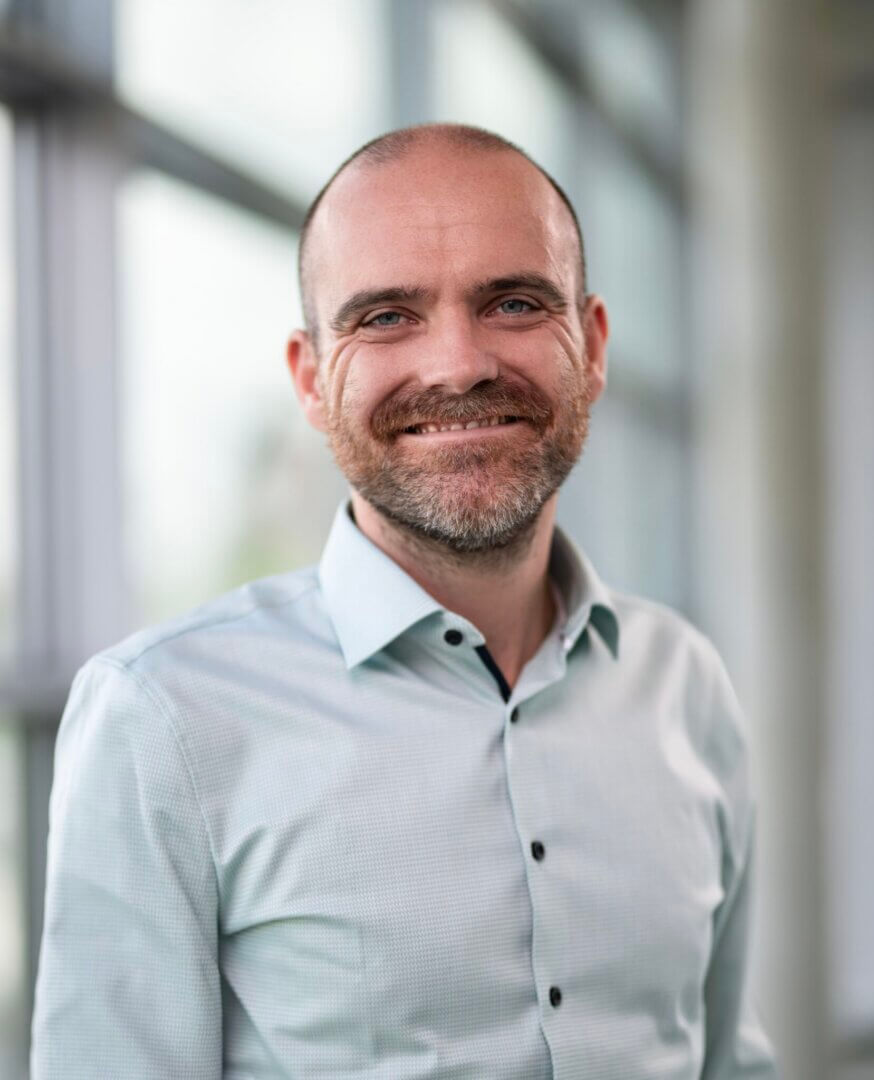
“Creating a new option for hard-to-treat cancers”
– Interview with Dominik Schumacher, CEO and co-founder of Tubulis
News Article
Tubulis recently achieved two significant milestones: closing its Series C financing and releasing the first clinical data for its novel antibody-drug conjugate (ADC) against ovarian cancer. In this interview, CEO and co-founder Dominik Schumacher discusses how the company is working to overcome the limitations of current ADC approaches, why strategic partnerships matter, and Tubulis’ vision for the future of cancer treatment.
Congratulations on the Series C financing! What was the key to success in this process, and how do you plan to use the new funds?
The strong preclinical data and initial positive clinical results have certainly formed a solid foundation that validates our differentiated ADC approach and underscores its broad potential in various cancer settings.
With the financing, we will accelerate the further clinical development of our lead candidate TUB-040 and continue to expand our additional proprietary pipeline programs. In addition to TUB-040, this includes our second clinical candidate, TUB-030, and several preclinical programs. We will also continue to drive innovation in all areas of ADC development based on our proprietary platform technologies. Our primary objective is to integrate ADCs into novel therapeutic applications and make them a standard-of-care treatment in oncology, including early lines of treatment.
The financing was just one important milestone in October: Tubulis also published initial clinical data showing promising efficacy and good tolerability in patients with ovarian cancer. What do these results mean for you and the team—and how do you assess this success?
The data validate our approach and are the first clinical evidence that our novel technology can overcome current toxicity-related limitations for ADCs. In particular, the broad therapeutic window and well-tolerated safety profile should give physicians a level of flexibility in long-term treatment that currently does not exist. Overall, these initial results show that we are on the right path toward potentially offering patients living with this difficult-to-treat cancer a new treatment option.
Can you explain in a few sentences what makes your technology special—and why it could make a real difference for patients?
Our proprietary Tubutecan technology combines our unique P5 conjugation system with a very potent cytotoxic agent (called exatecan). This enables us to develop stable, highly targeted ADCs that are optimized for delivering the chemotherapy agent exatecan to cancer cells while minimizing off-target systemic toxicity. The resulting ADC candidates are designed to overcome the major limitations of earlier-generation ADCs, such as off-target systemic toxicity or a narrow therapeutic window. In addition, our unique chemistry enables us to generate novel antibody-drug combinations, potentially unlocking new therapeutic opportunities.
How did you manage to convince investors in the current difficult market environment—and what role does an early-stage investor such as HTGF play in this?
Early-stage investors are very important, and thankfully Germany has a strong ecosystem, particularly for young spin-out companies taking their first steps. We also began engaging with (potential) investors early and made sure we were visible in the field. Our strong data certainly also helped build confidence with investors. It is also important to consider your strategic positioning from the beginning and to develop a clearly differentiated business plan.
ADC therapies are a rapidly growing field. How important are collaborations with other companies or research partners for your success?
We believe that synergies can help bring innovative ideas to patients faster. That’s why, in addition to our proprietary pipeline, we also pursue partnered programs, for example with Gilead and BMS, one of which is also already in clinical development. We will therefore continue to evaluate opportunities for additional strategic partnerships to maximize the scope and impact of our technology platforms.
You founded Tubulis from academic research and built it into a clinical company. How do you manage to motivate your team on this challenging journey and live a shared vision?
A great team is essential for success. Every day, I am thrilled to work with such a dedicated, excellent, and strong group of people. We are very proud of our outstanding employees, without whom we would not have been able to get this far. We are united by our shared goal of creating real benefit for patients with our differentiated ADC approaches. This is a major driving force for all of us. The fact that our initial clinical results show that we are on the right track certainly gives us extra motivation for the next steps.
What skills do you need as a scientist to become a successful entrepreneur—and what have you personally learned on this journey?
Perseverance and, above all, the ability not to be discouraged by failures, but rather see them as an opportunity to learn from your mistakes and do better next time. You should always question yourself and be willing to change your ways and to delegate responsibilities. In the end, you have to grow and adapt just as quickly as the company evolves. It’s also important to start thinking about long-term strategies and overarching goals from the very beginning.
What conditions in this country have helped you—and where do you see room for improvement for young biotech companies?
Early-stage support during the spin-off phase is particularly good in Germany. Institutions such as UnternehmerTUM and awards such as the m4-Award and the Leibniz-Gründungspreis have been a great support for us during the founding days. Early-stage funds such as HTGF were also essential for our development, especially in the first few years. However, we still see a certain funding gap in Germany before companies reach their first major validation milestones. I also believe that encouraging entrepreneurial thinking at early stages, whether at university or even during grade school, would be a good thing.
Looking five years into the future, where do you see Tubulis – and what would you like to see achieved by then?
Our goals are, on one hand, to successfully complete the two Phase 1/2 studies with our lead candidates, TUB-030 and TUB-040, with solid clinical evidence of efficacy. On the other hand, we want to expand our pipeline by advancing our additional ADC programs into the clinical phase. Furthermore, we want to strengthen our global presence and operational flexibility by continuing to expand our corporate infrastructure, including our newly established subsidiaries in the US (Cambridge, Massachusetts) and Switzerland (Lausanne). Overall, we want to fully establish ourselves as a global innovation leader in the field of ADC therapies. To this end, we will continue to expand our portfolio of proprietary target structures, payloads, and conjugation technologies. Our long-term goal is clear: we want to provide cancer patients with new treatment options that offer a true clinical benefit.
Thank you for your time and insights!
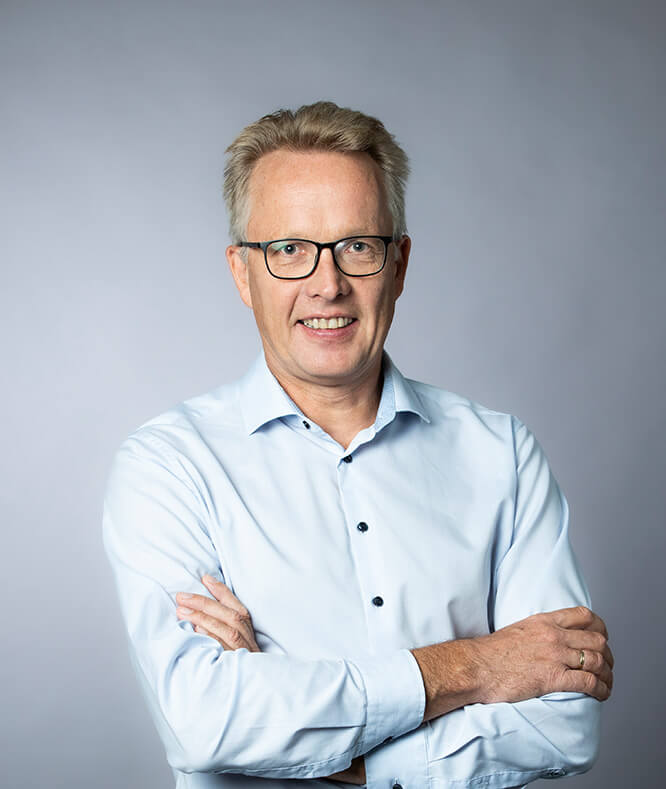
I am your contact
for all press inquiries:
Tobias Jacob
More News
 zum Artikel
ICOS Capital invests in Mevaldi B.V., a producer of cost-effective, bio-based chemical building blocks, to support its further industrial scale up and commercial roll-out
 zum Artikel
TECregen Raises CHF 10 Million in Seed Financing and Appoints Dr. Bo Rode Hansen as Chairman

 zum Artikel
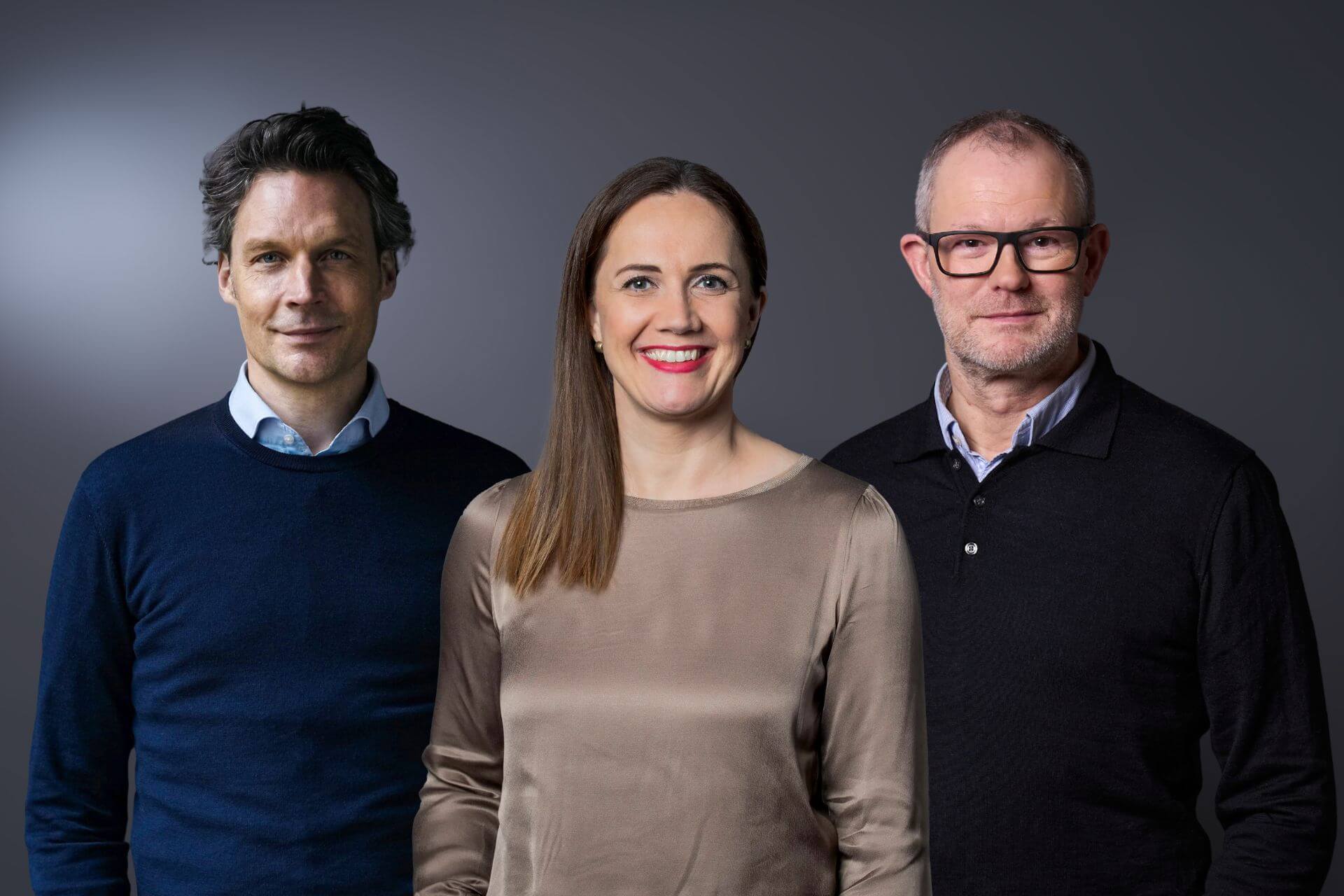
HTGF 2025: Tailwind for Europe’s Wirtschaftswunder 2.0 – Romy Schnelle, Dr. Achim Plum and Sebastian Borek in conversation
 zum Artikel
The biggest bottleneck in the AI stack and FMC’s solution – Interview with CEO Thomas Rückes
 zum Artikel